By Brian Campued
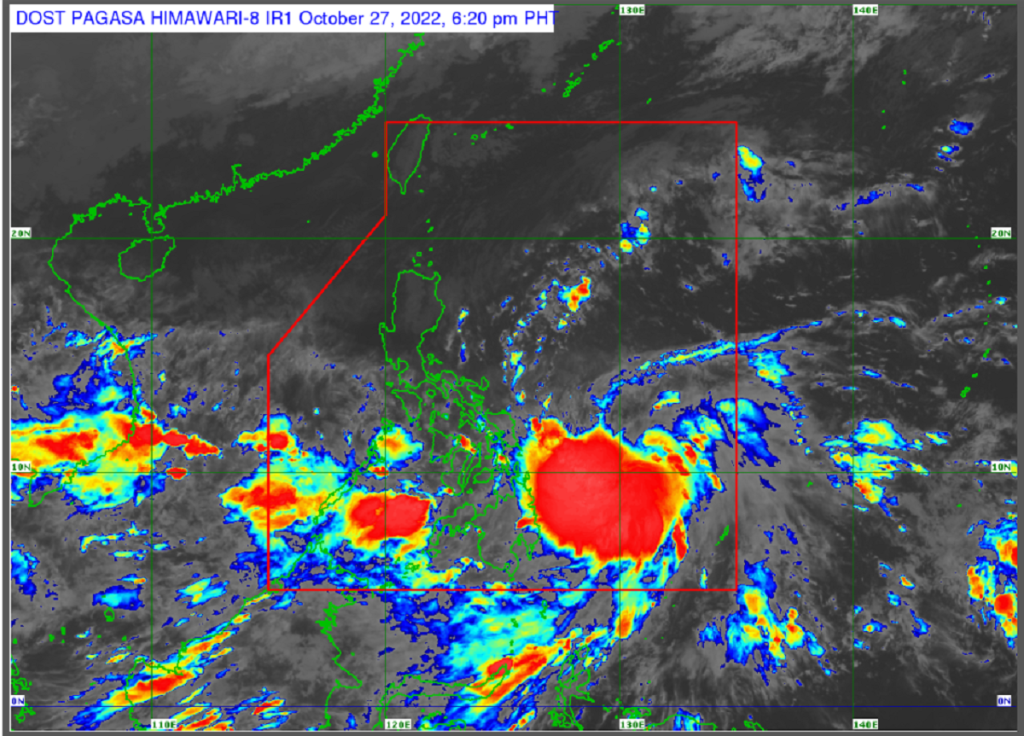
At least 20 tropical cyclones enter the Philippine area of responsibility (PAR) per year on average, with about eight to nine making landfall or directly affecting the country—prompting the state weather bureau to prepare a set of names to be used every typhoon season.
The Philippine Atmospheric, Geophysical, and Astronomical Services Administration (PAGASA) utilizes four sets of tropical cyclone names that are used alternately or every four years and follow the alphabetical order.
For 2026, PAGASA will use its Set II, with four new names included after the decommissioning of “Agaton” (Megi), “Florita” (Ma-On), “Karding” (Noru), and “Paeng” (Nalgae)—which lashed the country in 2022.
A local tropical cyclone name is decommissioned or removed from the list if it directly caused at least 300 deaths or P1 billion in damage to houses, agriculture, and infrastructure, as per data from the Office of Civil Defense (OCD).
Based on reports from the National Disaster Risk Reduction and Management Council (NDRRMC), Severe Tropical Storm Paeng recorded the highest number of affected individuals for any tropical cyclone in the country in 2022—at 6,456,425—and resulted in 459 total casualties, including 168 deaths.
Paeng also caused more than P19.4 billion in damage to agriculture, infrastructure, and other assets, such as housing and private properties.
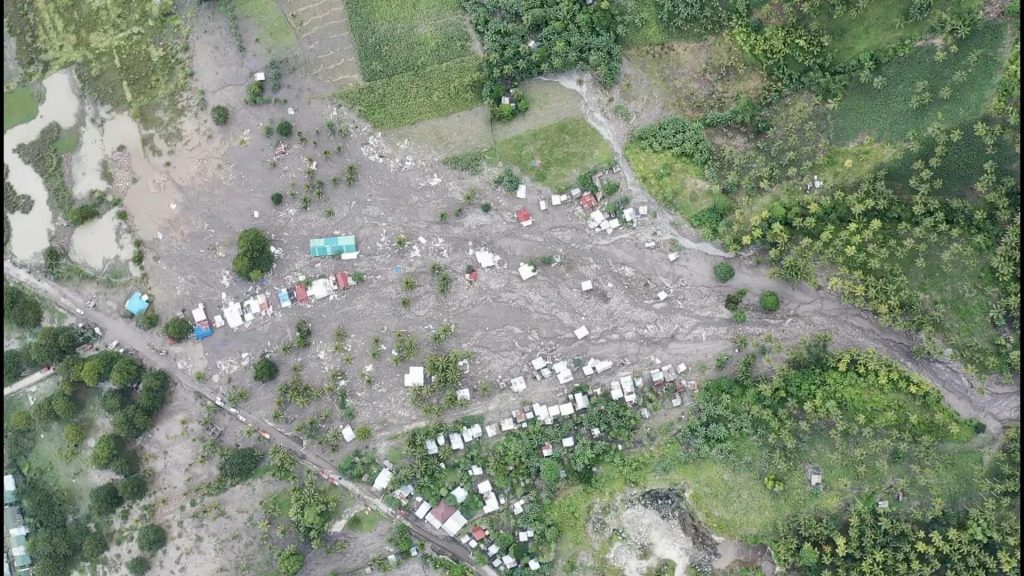
Tropical Storm Agaton, on the other hand, was the deadliest tropical cyclone in 2022—with 214 reported deaths.
The four “retired” names will be replaced by “Ada” (Cebuano word for fairy), “Francisco” (a Filipino name), “Kiyapo” (a type of aquatic plant), and “Pilandok” (Filipino name for the Philippine mouse deer).
With that, the 2026 list of tropical cyclones are as follows:
- Ada
- BasyangCaloy
- Domeng
- Ester
- Francisco
- Gardo
- Henry
- Inday
- Josie
- Kiyapo
- Luis
- Maymay
- Neneng
- Obet
- Pilandok
- Queenie
- Rosal
- Samuel
- Tomas
- Umberto
- Venus
- Waldo
- Yayang
- Zeny
Should the number of tropical cyclones for the year exceed 25, the following set of auxiliary names will be used:
- Agila
- Bagwis
- Chito
- Diego
- Elena
- Felino
- Gunding
- Harriet
- Indang
- Jessa
According to PAGASA, the peak of the typhoon season is July through October or during the wet season, when tropical cyclones more often develop.
The agency previously said that at least eight tropical cyclones may be expected in the country in the first half of 2026—with up to one storm forecast monthly from January to April, and at least one or two each in May and June.
In 2025, a total of 23 tropical cyclones entered the PAR, with Typhoon Tino
(Kalmaegi) being the deadliest—resulting in 253 deaths and leaving over 5.4 million individuals affected, according to NDRRMC’s monitoring dashboard.
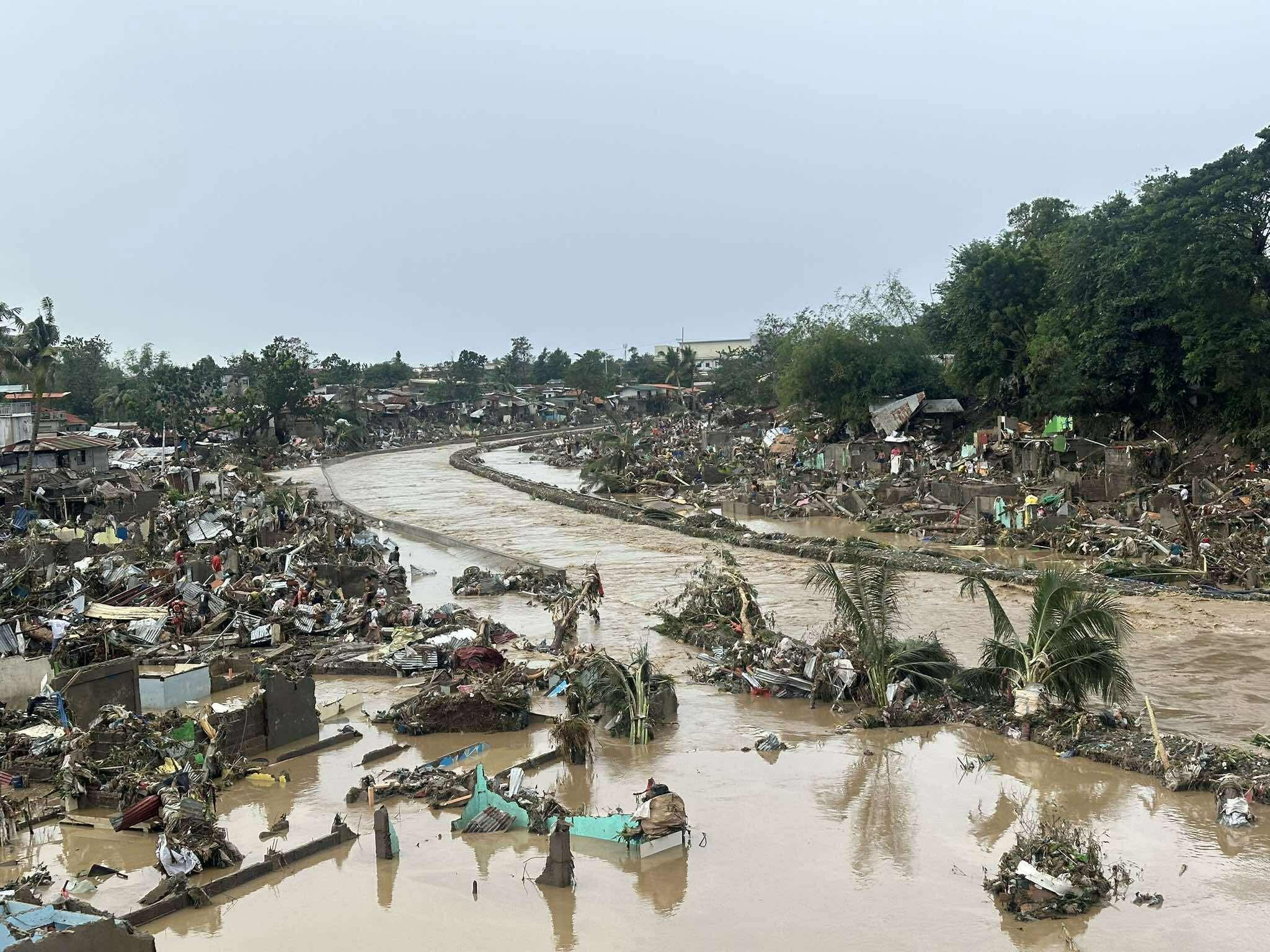
Other notable tropical cyclones last year were Super Typhoon Uwan
(Fung-Wong), which battered the Philippines shortly after Tino devastated southern Luzon, Visayas, and parts of Mindanao in early November.
The triple threat of Tropical Storm Crising (Wipha), Tropical Storm Dante (Francisco), and Typhoon Emong (Co-May) likewise struck Luzon and parts of Visayas in succession in July, affecting over 10 million people.
PAGASA has yet to announce the tropical cyclones from 2025 that may be decommissioned from its list.
-jpv