
By Brian Campued
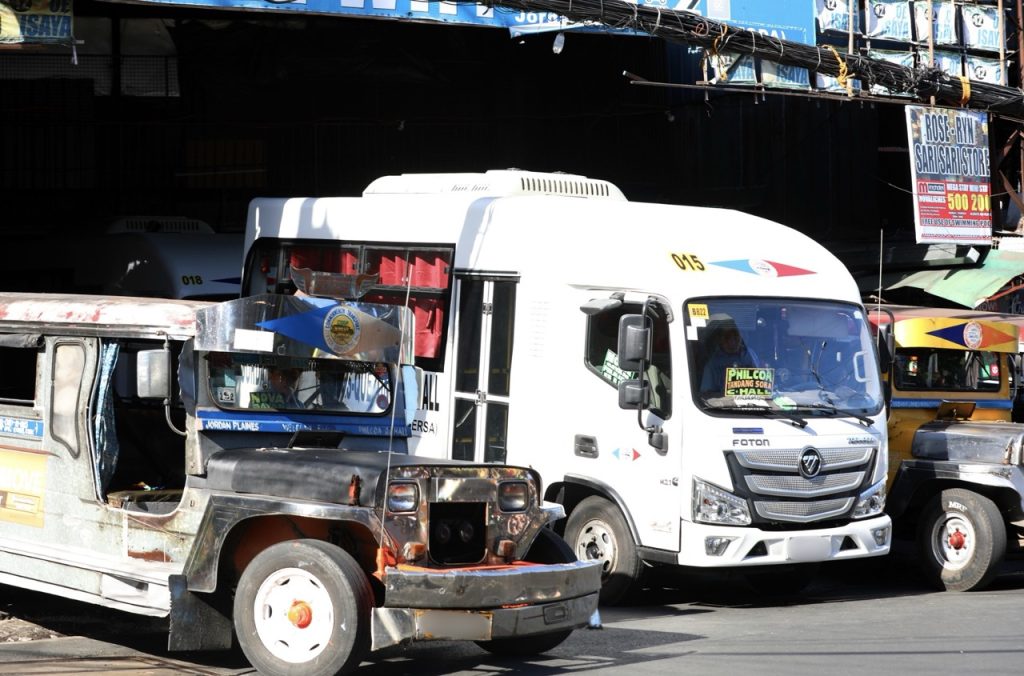
The government is requiring all public utility vehicle (PUV) operators and drivers participating in the Service Contracting Program (SCP) to install a global positioning system (GPS) on their units to track routes and ensure transparency.
In a press briefing at Malacañang on Tuesday, Department of Transportation (DOTr) Sec. Giovanni Lopez stressed that GPS monitoring is needed to avoid lapses in payment and even corruption as verification and validation through manual monitoring is “very difficult.”
“That’s why we’re requiring our PUVs enrolled in our net service contracting program na magkaroon ng GPS para wala na pong human intervention pagdating sa ruta na kanilang tinakbo at matitiyak natin na yung babayarin nating ruta ay iyon ang tama,” Lopez said.
However, Lopez clarified that manual monitoring would still be allowed in areas where signal becomes unreliable for GPS monitoring.
Commuters will also be entitled to a 20% fare discount, on top of the 20% discount being imposed for students, senior citizens, and persons with disabilities.
Lopez assured that the payment under the SCP will be credited within three to five days, ensuring that assistance to PUV operators and drivers is delivered as immediate as possible amid rising fuel prices.
“Ang importante dito, hindi lang ang programa, yung urgency at saka yung pagkuha nila ng pera, kailangan mabayaran sila kaagad. Kasi po it defeats the program, it defeats the purpose if it will take some time for them to receive the money,” he said.
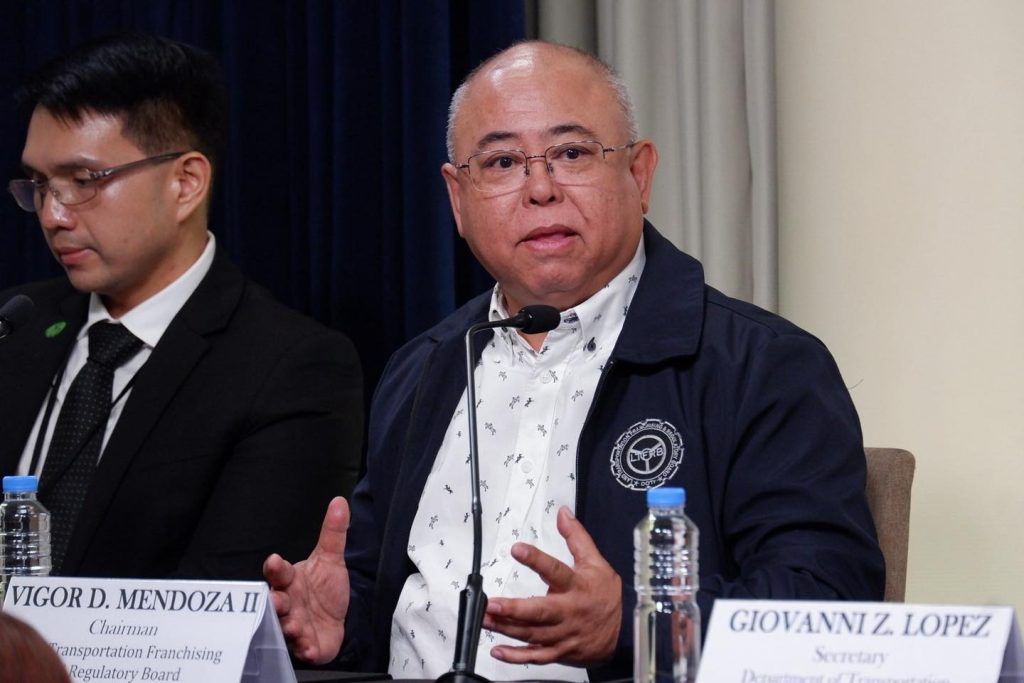
Land Transportation Franchising and Regulatory Board (LTFRB) Chair Vigor Mendoza II added that payment to enrolled PUVs will be made either through a designated bank account or an e-wallet provider.
For PUVs to be registered in the program, Mendoza explained that they only need to apply through the SCP portal of the LTFRB and input details such as the plate number and type of the vehicle to be enrolled.
Onboarded PUVs must also put up signage indicating that they are part of the SCP and the fare matrix for their routes.
“Ang pinakahuli doon is that you will consent to the terms and conditions ng ating Service Contracting Program, which is basically iyong kailangan ninyong tumakbo araw-araw ‘no, at least 100 kilometers a day, iyon na po ang covered ng ating programa,” Mendoza said.
The SCP has a budget of P1 billion, of which P800 million is allocated for road-based land transport that will cover 823 routes nationwide.
It is expected to benefit an estimated 1,000 transport operators with 50,000 PUV units and around 15 million daily passengers.
Around P200 million, on the other hand, will be used for net service contracting in maritime transport.

Lopez said the P1-billion funding is enough to run the SCP until July, but they had already requested P5 billion from the Department of Budget and Management (DBM) to extend its implementation.
“Iyong limang bilyon po na hiningi natin ngayon po ‘no, masasabi ko po mataas po, mataas po ang posibilidad talaga na maibibigay iyong limang bilyon. Ang pinag-uusapan na lang po natin ngayon is ibibigay ba ito na one-time o depende sa availability of funds, kung saan kukuhanin na siguro kalahati muna. Basta importante po dito, tuluy-tuloy ang momentum natin pagdating sa service contracting natin,” he said.
“Sabi nga po namin, if we’re going to do this [project] for the next three months, at least po we can be assured of the sustainability of transportation, assured na may masasakyan ang ating mga commuters, assured na hindi po magbabago ang pamasahe, at makakatulong din tayo sa kahit papaano to maintain po iyong inflation natin.”
-av

