
By Ruth Abbey Gita-Carlos | Philippine News Agency
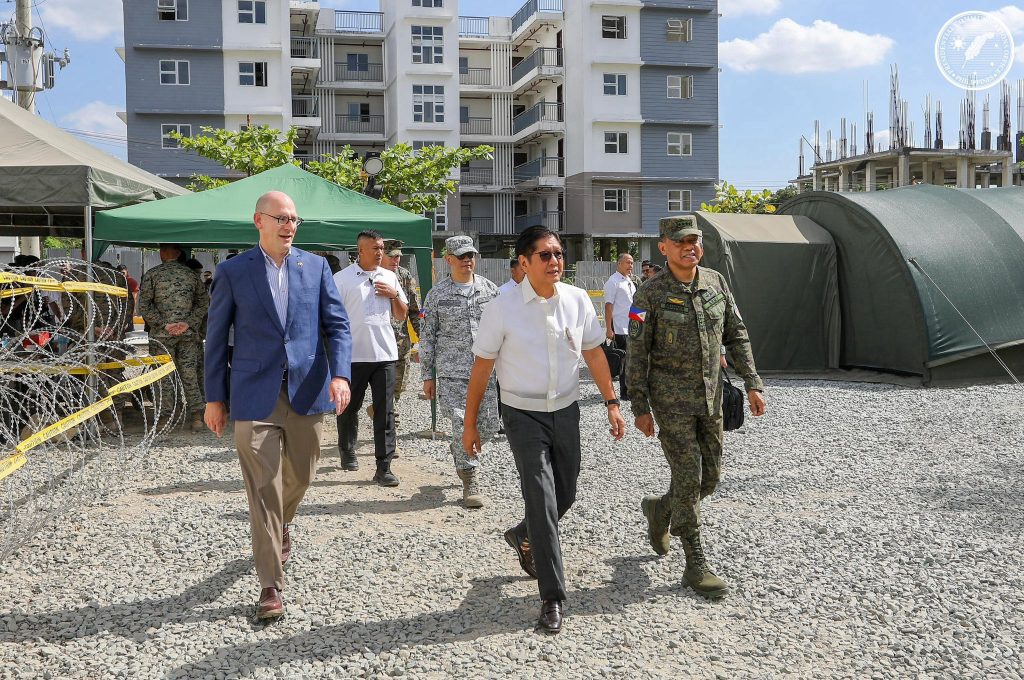
President Ferdinand R. Marcos Jr. on Wednesday observed the joint maritime strike operations conducted under Balikatan 41-2026, highlighting the Philippines’ growing defense capabilities and deepening cooperation with the United States (U.S.) and other allied forces.
The Presidential Communications Office (PCO) shared photos of the President’s arrival at Camp Aguinaldo in Quezon City to witness the activity, featuring the Joint Task Force Maritime Strike, where Philippine and U.S. forces carried out coordinated operations to detect, track, and engage simulated maritime threats.
“President Ferdinand R. Marcos Jr. witnessed the Joint Task Force Maritime Strike of the Philippines-United States Exercise Balikatan 41-2026,” the PCO said.
“The exercise showcased coordinated maritime strike operations among allied forces and highlighted the AFP’s growing capability to operate alongside international partners in promoting regional security and freedom of navigation,” the PCO added.
The maritime strike component forms part of the broader Balikatan drills, an annual exercise between the Philippines and the U.S. aimed at strengthening interoperability and enhancing military readiness.
During the activity, participating forces integrated various assets, including naval platforms, aircraft and ground-based systems, to execute synchronized maritime strike scenarios.
The drills also emphasized joint planning and command and control processes, enabling participating units to coordinate actions in complex and dynamic operational environments.
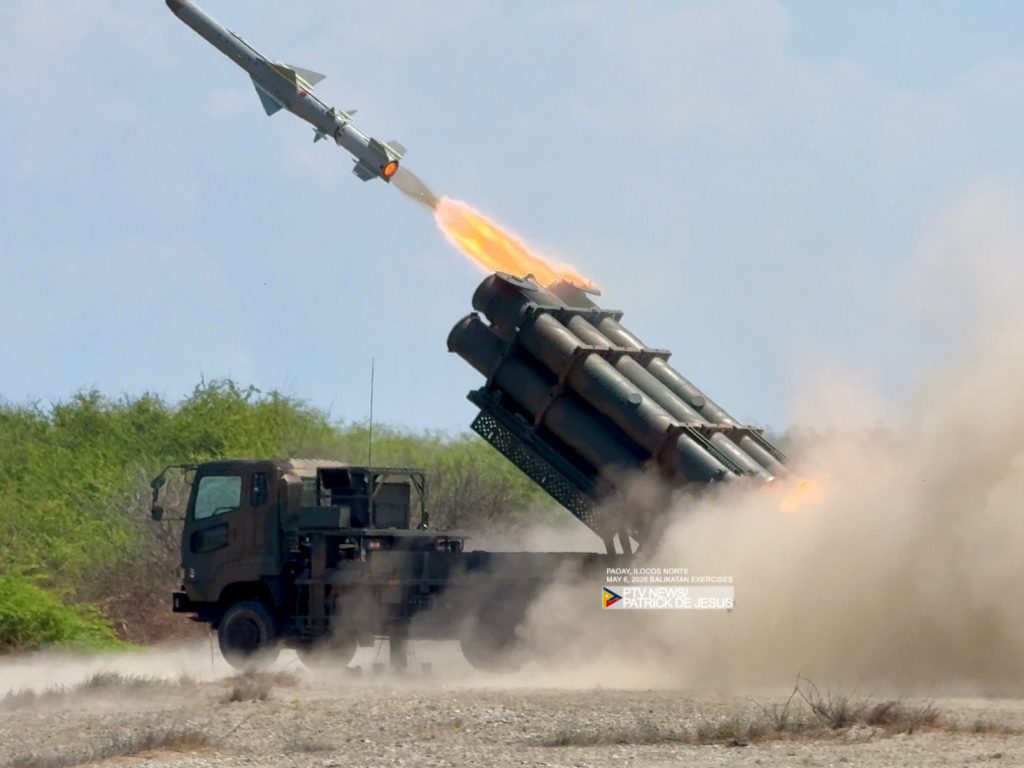
Annual joint military exercises
Balikatan 41-2026 is considered among the largest iterations of the exercise, involving thousands of troops from both countries and participation from allied nations, reflecting a growing network of security cooperation in the region.
In addition to maritime strike operations, the exercise includes a range of activities such as humanitarian assistance and disaster response, air and missile defense, and cyber defense training.
These are designed to simulate real-world scenarios and enhance the ability of participating forces to respond to both traditional and non-traditional security challenges.
The exercise also serves as a platform to deepen defense partnerships and build trust among participating nations through shared training and collaboration.
This year’s iteration also carries added significance as the Philippines and the U.S. commemorate the 75th anniversary of the 1951 Mutual Defense Treaty, underscoring decades of alliance and shared commitment to maintaining peace and stability in the Indo-Pacific region. (PNA)

