
By Marita Moaje | Philippine News Agency
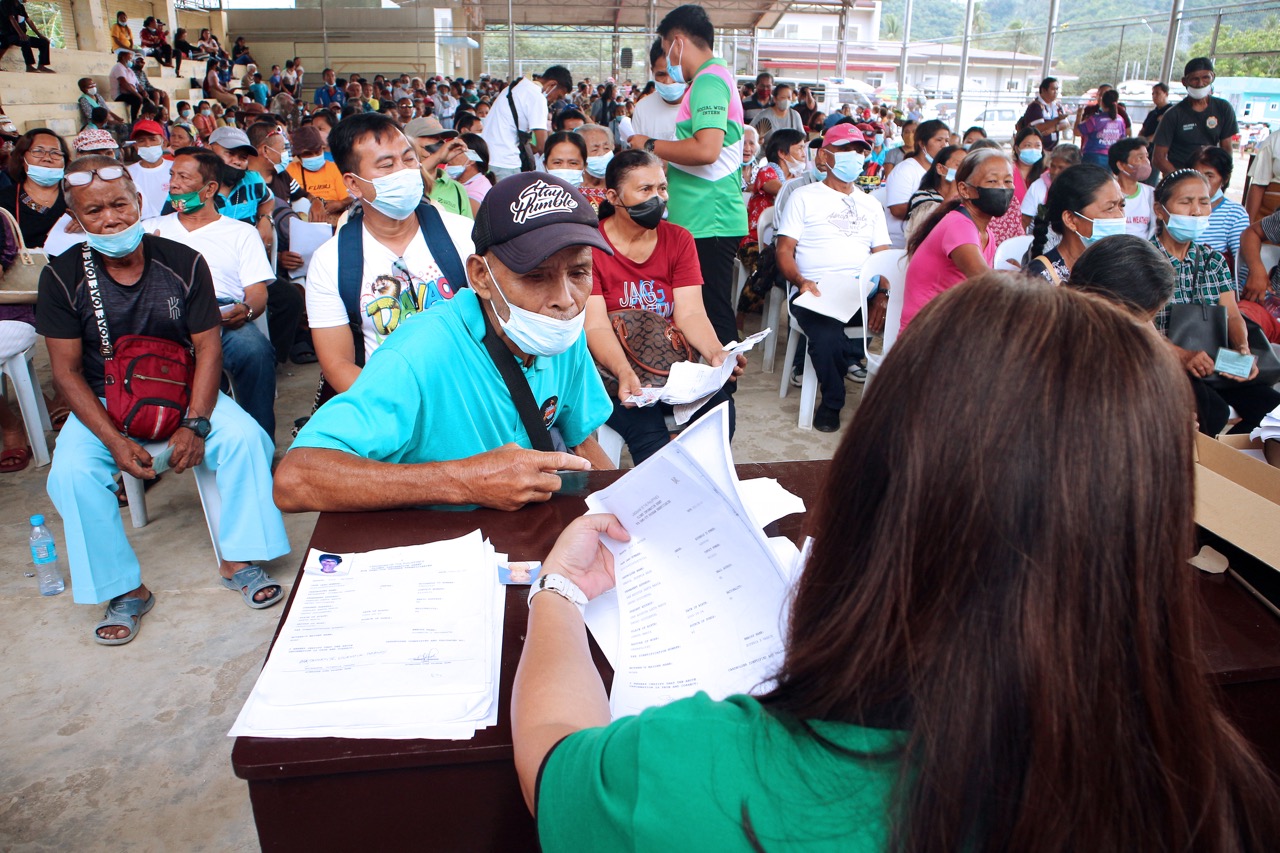
Commission on Population and Development (CPD) Usec. Lisa Grace Bersales on Tuesday underscored the urgent need to assess existing policies on aging to identify gains and implementation gaps as the country’s senior population hit almost 11 million in 2025.
Bersales made this remark as the CPD, along with the United Nations Economic and Social Commission for Asia and the Pacific (UNESCAP) and relevant partners and government agencies, kicked off the National Consultation for the Promotion of Policies on Aging in the Philippines at the Marco Polo in Ortigas.
She said consultation comes at a critical point in the country’s demographic transition, noting that while the Philippines is not yet an aging society, the proportion of older persons is expected to double by 2035-2040, according to the Philippine Statistics Authority (PSA).
“We do not want to wait for that time when we have more and more older persons, and we cannot provide them proper services and opportunities, so this is a good conversation to do now. This discussion is now,” Bersales said.
She noted that timing is crucial, as several government frameworks, including the Philippine Development Plan 2023–2028, the action plans of the National Commission of Senior Citizens (NCSC), and the Philippine Population and Development Plan of Action (PPD-POA), are already midway through the set deadlines.
“It is now 2026, so this is the right time to come together to talk about our needs, but to talk about the policy gaps, the implementation gaps, so that we can do some adjustments leading up to 2028,” she said.
In his presentation, PSA Chief Claire Dennis Mapa said as of 2025, Filipinos aged 60 and above comprise 9.6 percent of the country’s 113.7 million population, just short of the 10% threshold used by international agencies such as the World Bank to define an aging society.
“Last year, our population of 60 and above was close to 11 million, about 10.98 million, which represents about 9.6% of our total population,” Mapa said.
At the current pace, the Philippines is expected to cross that mark within the next few years and reach about 11% by 2030.
Mapa said the demographic shift is largely driven by declining fertility rates and increasing life expectancy, a transition already experienced by many Asian countries, though the Philippines remains behind highly aged economies such as Singapore and Hong Kong.
Longer lives, new challenges
Mapa said PSA data show that Filipinos who reach age 60 can expect to live significantly longer, with women having an average life expectancy of 21 more years, reaching around 81 to 82, while men have about 17 to 18 more years, or up to 77 to 78.
While a spike in deaths among seniors was experienced during the COVID-19 pandemic, which temporarily reduced life expectancy, PSA noted that the long-term trend remains upward.
“With increasing longevity comes greater demand for health care, social protection, and income security,” he said, noting that less than half of senior citizens are currently covered by social protection programs.
Seniors still working
Despite expectations of retirement, he said that many older Filipinos remain economically active.
The PSA data show that about 3.4 million elderly are still part of the labor force in 2025, with an employment rate close to 99% among those who choose to work.
Of the data, about 1.8 million are employed in agriculture, followed by the wholesale and retail trade, transportation, and other service sectors.
Despite this, Mapa clarified that continued work among seniors is not necessarily a sign of poverty.
“Life expectancy is increasing, and many older persons still feel productive and want to contribute,” he said.
He added that poverty incidence among families with senior citizens is lower than in other basic sectors such as farming and fishing.
Health gaps, inequalities
In her presentation, Grace Cruz, principal investigator and trustee of the Demographic Research and Development Foundation, shared findings from the Longitudinal Study of Ageing and Health in the Philippines (ELSA).
Cruz said there are persistent health and access gaps among older Filipinos.
She said study shows that over two-thirds of seniors have at least one diagnosed illness, with hypertension and diabetes among the most common conditions.
However, she noted that many cases remain undiagnosed or unmanaged, often due to financial constraints and limited access to health facilities, especially in rural areas.
The study also highlighted stark urban-rural and regional disparities, showing that proximity to roads, clinics, pharmacies, and financial services significantly affects seniors’ well-being. Most caregiving, the study found, continues to fall on family members, particularly women.
The consultation, meanwhile, is set to tackle government programs and initiatives that seek to address these challenges on the second day of the event on Wednesday.

