
By Dean Aubrey Caratiquet
As part of the agency’s firm stance against illicit activities that undermine the integrity of the domestic agriculture industry, the D.A. is making further initiatives to strengthen the enforcement and implementation of existing policies to bolster the food supply chain.
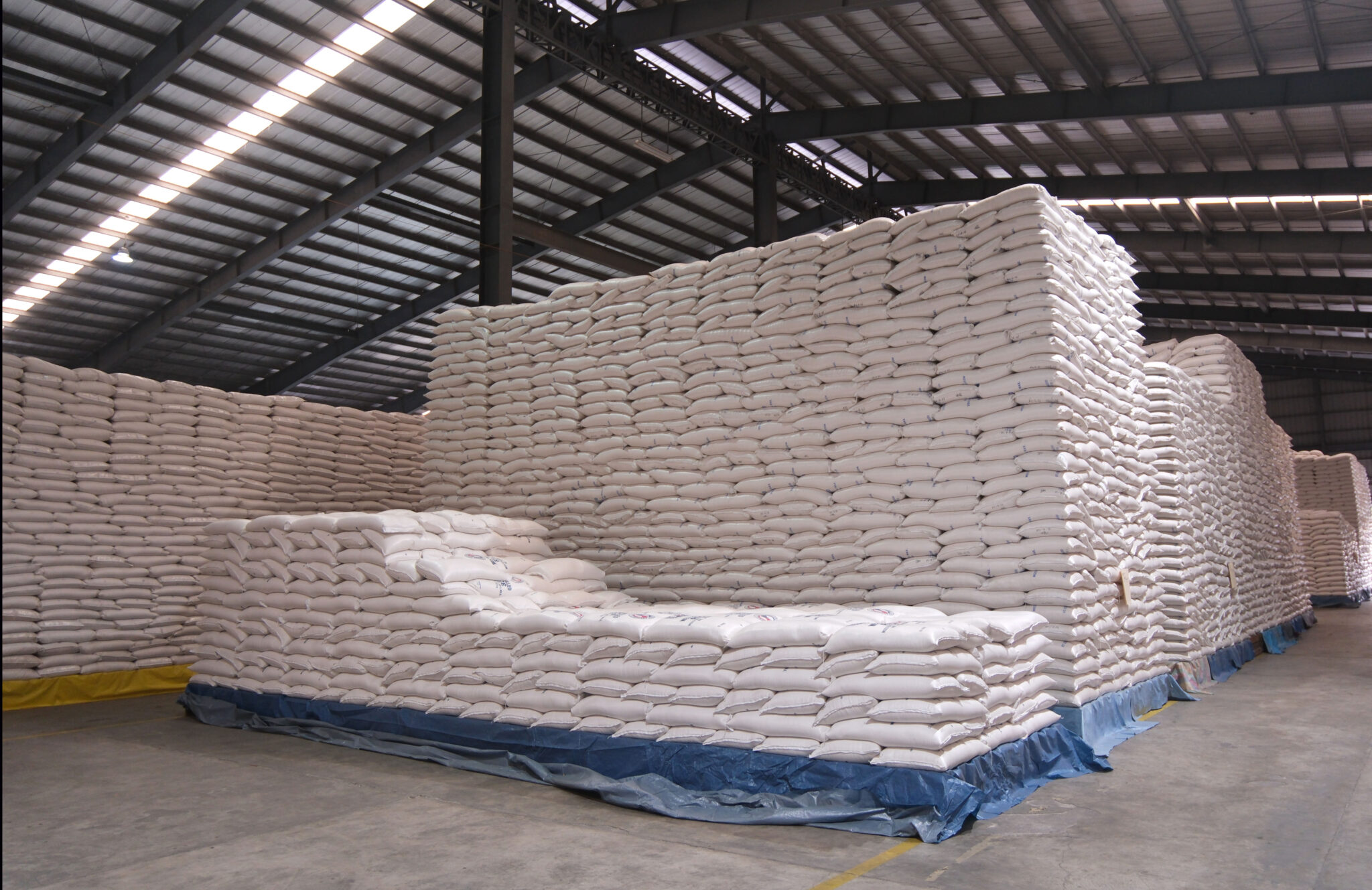
In a media release on Saturday, the Department of Agriculture (D.A.) issued new guidelines for the Registry System for Agri Storage, which calls for the mandatory registration of warehouses, cold storage facilities, and other similar logistics hubs—whether owned, leased, or operated by third parties.
The scope is wide, covering rice warehouses, onion cold storage, meat freezers, grain silos, refrigerated container vans, and agricultural storage tanks handling both locally sourced and imported products.
In a statement, Agriculture Secretary Francisco Tiu-Laurel Jr. hailed this development as a significant move in breaking smuggling networks and serving as a stern warning against those who exploit regulatory loopholes for personal gain.
“We cannot stop smuggling, protect public health or safeguard our farmers if we do not know where the stocks are. Registration gives the government clear visibility over the supply chain so we can move quickly against hoarding, illegal imports and abusive practices that undermine Filipino producers and harm consumers.”
This policy overhaul specifically toughens the provisions stipulated under Section 6 of Republic Act No. 12022 (Anti-Agricultural Sabotage Act), which requires agri-fishery businesses to maintain and disclose auditable records of their operations.
Facility operators must disclose storage capacity, commodities handled and inventory levels, maintain monthly operational records; and submit quarterly electronic reports through the relevant trade regulatory agencies.
Industry players who fail or refuse to comply with these new guidelines are bound to face violations and sanctions, with crimes committed through the use of information and communications technologies (ICT) equipment subject to the provisions stipulated under the Cybercrime Prevention Act.
Subject to due process, licenses, registrations and accreditations may be suspended, revoked or cancelled by the appropriate trade regulatory agencies, with preventive suspension allowed in cases involving imminent public danger.
av

