
By Brian Campued
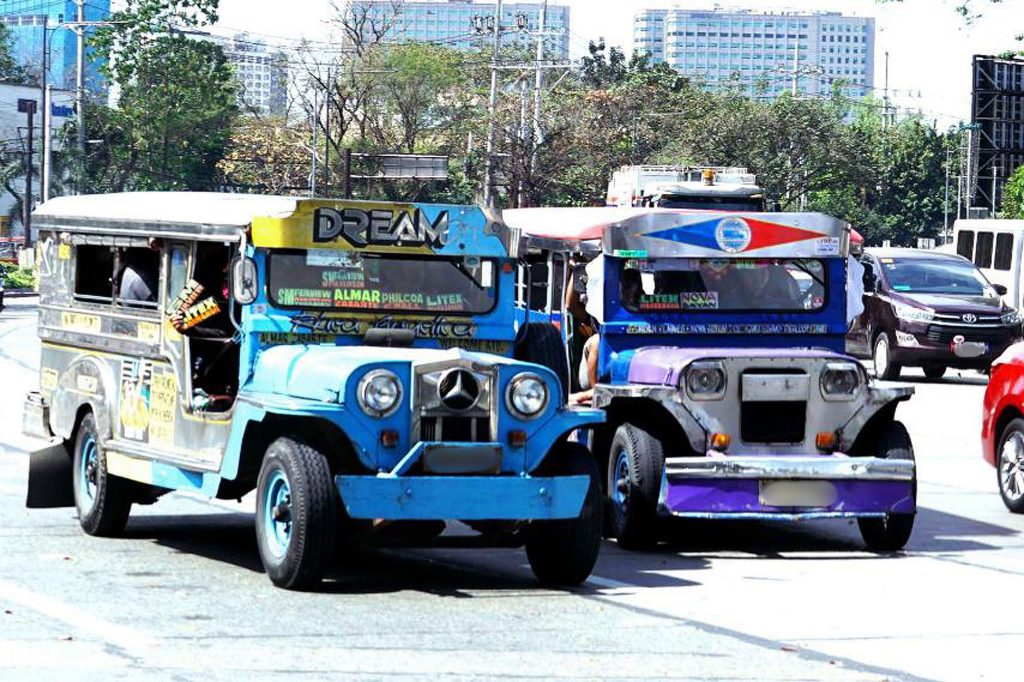
The government has increased the fuel subsidy for jeepney and UV Express drivers from P10 per liter to P12 per liter beginning Aug. 15, Malacañang announced Wednesday.
The new fuel discount for select public utility vehicles (PUVs) were finalized during a meeting at the Palace on Tuesday led by Executive Secretary Ralph Recto and attended by Budget Secretary Kim de Leon, Public Works Secretary Vince Dizon, Social Welfare Secretary Rex Gatchalian, Transportation Secretary Giovanni Lopez, Education Secretary Sonny Angara, Health Secretary Jose Pujalte Jr., and Agriculture Undersecretary Roger Navarro.
According to Recto, PUV drivers can save up to P1,800 per week following the implementation of the higher discount.
The initial P10-per-liter subsidy rolled out in April amid surging fuel prices due to supply constraints caused by the Middle East crisis, already benefited over 93,000 PUV drivers.
“Gaya ng inaasahan, patuloy na nararamdaman ng ating mga kababayan ang epekto ng kaguluhan sa Gitnang Silangan. Dapat tuloy ang trabaho, tuloy ang ayuda, at ramdam ng bawat sektor ang presensya at malasakit ng gobyerno,” Recto said.
During the meeting, Cabinet officials discussed updates on government efforts under the Unified Package for Livelihood, Industry, Food, and Transport (UPLIFT), in line with the directive of President Ferdinand R. Marcos Jr. to protect the economy from external shocks and cushion Filipinos from the impacts of rising fuel and food costs.
The Executive Secretary likewise directed the Department of Social Welfare and Development (DSWD) to ensure that government assistance reaches intended beneficiaries, including farmers and fisherfolk, workers in the transportation and construction sector, and other low wage earners.
Last July 16, President Marcos Jr. announced the expansion of cash aid grants for around 3.5 million beneficiaries of the Pantawid Pamilyang Pilipino Program (4Ps) and the Walang Gutom Program, 2.5 million poor and near-poor households identified through the 2024 Community-Based Monitoring System (CBMS), and 1.5 million low-income workers whose records have been verified by the Social Security System (SSS).
-avds

