
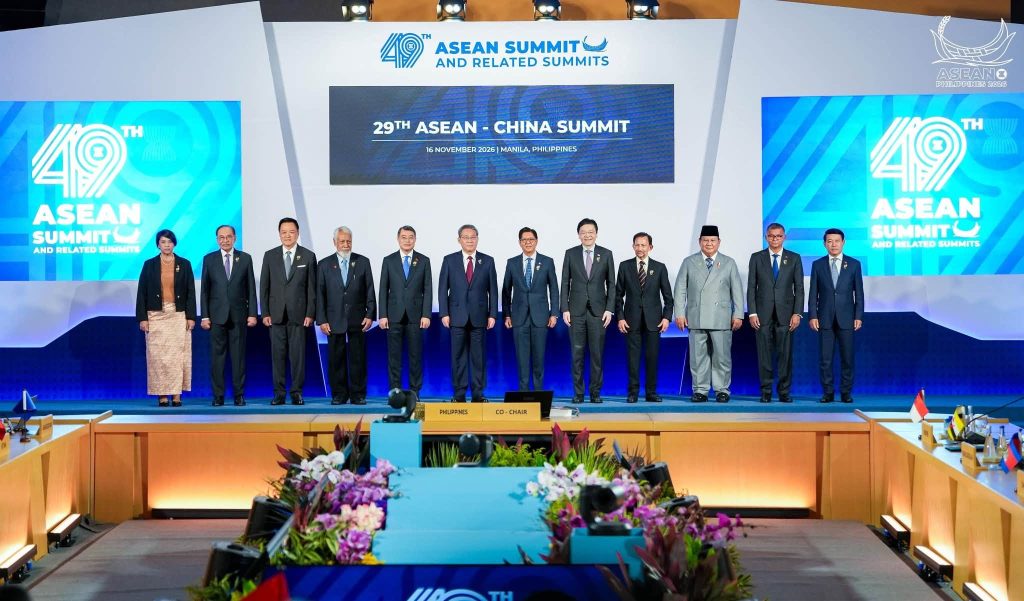
By Dean Aubrey Caratiquet
Trade and energy security form the backbone of a productive nation—one that the Philippines strives to keep working on amid global headwinds.
At the 29th ASEAN-China Summit on Monday, President Ferdinand R. Marcos Jr. pushed for these agendas in the regional bloc’s meeting with East Asia’s powerhouse economy.
Setting aside their differences, representatives from Manila and Beijing worked together with ASEAN delegates towards a shared commitment in addressing the Philippines’ energy supply challenges through practical cooperation.
President Marcos Jr. said in his opening remarks, “The adoption of the Joint Statement on Addressing the Regional Impacts of Development in the Middle East and Strengthening Regional Energy Cooperation last July reflects our shared commitment to regional coordination and energy security.”
Moreover, reliable energy supplies are also essential to keeping factories operating, supporting small businesses, and protecting jobs across the country.
On the business side, the President emphasized the importance of expanding economic partnerships, with a focus on advancing the China-ASEAN Free Trade Area 3.0 Upgrade Protocol, and implementing the 2026–2030 Plan of Action.
These initiatives are expected to create more opportunities for Filipino exporters, investors, and small businesses seeking access to wider regional markets.
Chinese Premier Li Qiang expounded in the meeting, “Although economic and trade restrictions have substantially increased around the world, we remain firmly committed to safeguarding multilateralism and promoting free trade and endeavor to make the pie of cooperation bigger.”
2026 marks 35 years of ASEAN-China relations, as well as five years of the Comprehensive Strategic Partnership between the 11-member bloc and Beijing.
The Chief Executive concluded, “As we mark these milestones, let us build on the achievements of our partners to advance peace, stability, and prosperity in our region.” (with report from Kenneth Paciente | PTV News)
jpv

