
Seven in 10 people worldwide die from cardiovascular diseases, cancer, diabetes and chronic lung diseases, according to a study published in The Lancet earlier this month.
These diseases not only rob people prematurely of their lives, they cost enormous amounts of money. The Lancet report estimated that over the next 15 years, the costs to developing countries alone is projected to total more than $7 trillion.
Three years ago, world leaders pledged to reduce premature deaths from these non-communicable diseases by one-third by the year 2030.
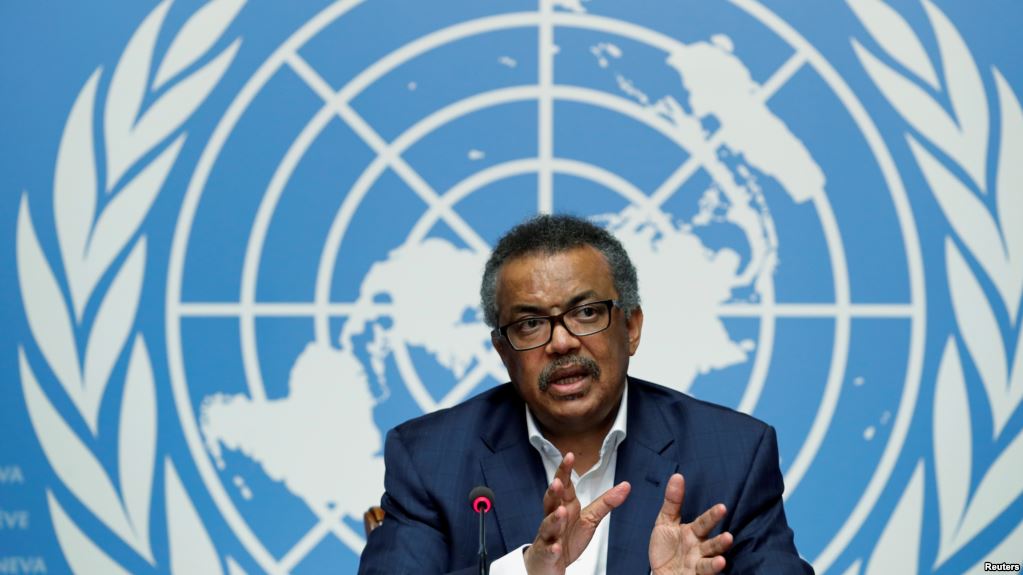
At Thursday’s U.N. General Assembly meeting in New York, WHO Director-General Tedros Adhanom Ghebreyesus said less than half of the world’s countries will meet that target, urging world leaders to recommit to these goals.
Tedros called for more political commitment and domestic investment. He said he knew from his own experience that “with political commitment, anything is possible. Without it, progress is slow.”
Tedros mentioned a list of what he called “best buys,” policy changes that cost little but produce huge rewards. “WHO’s best buys are cost-effective and affordable for all countries. Spending to build a healthier population is not a cost. It’s an investment in human capital that pays a rich reward.”
Tedros urged countries to increase tobacco taxes, restrict advertising for alcohol, and lower the amount of salt, sugar and fat in food products. Doing this will lower the risks for diabetes, cancer, heart disease and stroke. He advised countries to vaccinate girls against cervical cancer.
Tedros also recommended that countries provide universal health coverage as the best way to prevent and treat non-communicable diseases.
He said if these policies were implemented globally, they would save 10 million lives by 2025 and prevent 17 million strokes and heart attacks by 2030. And, again, focusing on economic benefits, Tedros said implementing “best buys” would generate $350 billion in economic growth in the poorest countries between now and 2030. Voice of America

