
By Brian Campued
As the world’s oldest Chinatown, Binondo is a melting pot of history, heritage, and most especially, food—making the district a major cultural and culinary destination in the Philippines.
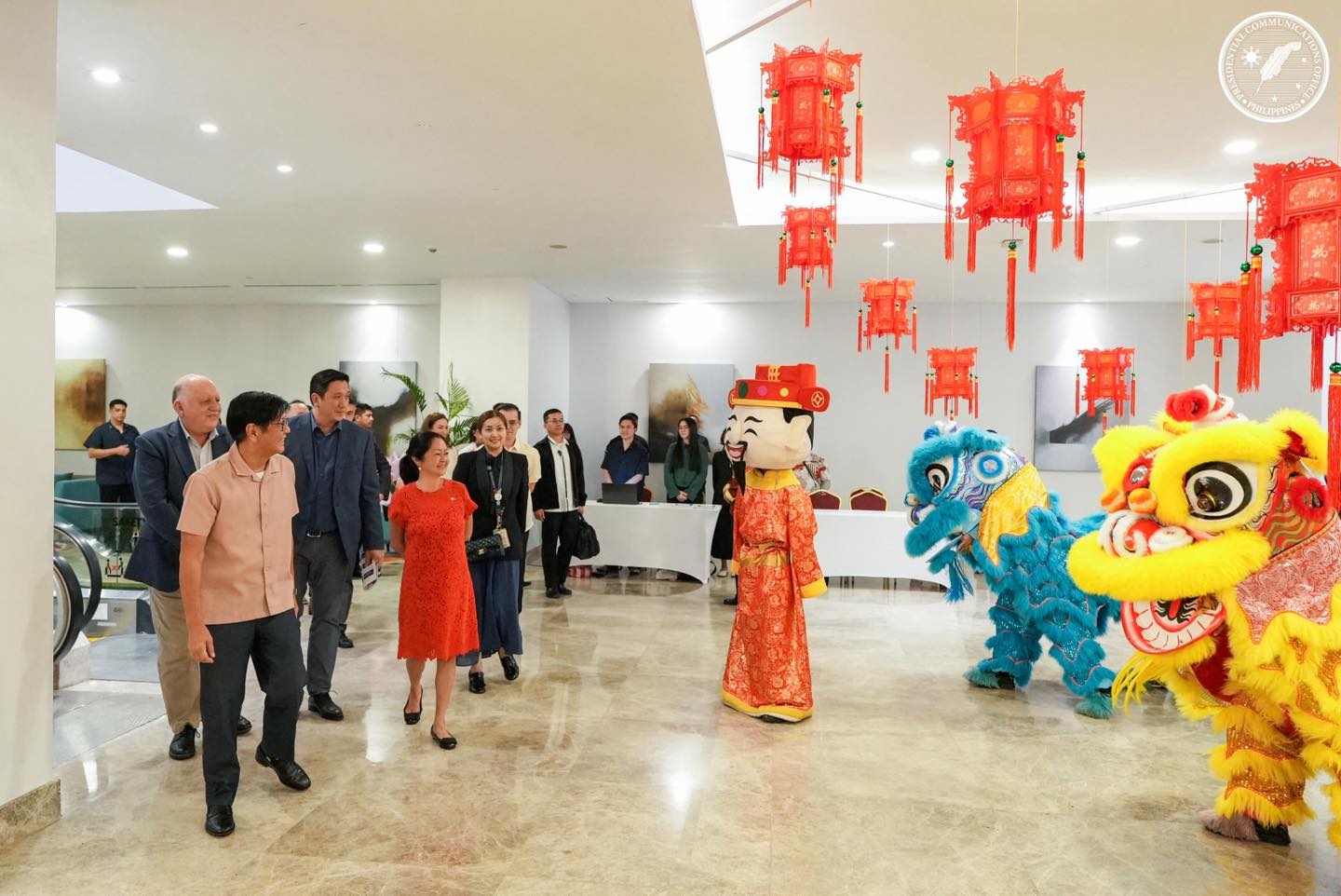
Highlighting the administration’s commitment to preserving its cultural heritage while fostering economic growth, President Ferdinand R. Marcos Jr. on Friday launched the second phase of the Chinatown Revitalization Project in Manila.
During the ceremonial lighting of key cultural historic sites at the Hotel Lucky Chinatown, the President said Phase II of the project builds on the success of Phase I last year, which restored and illuminated the iconic Jones Bridge.
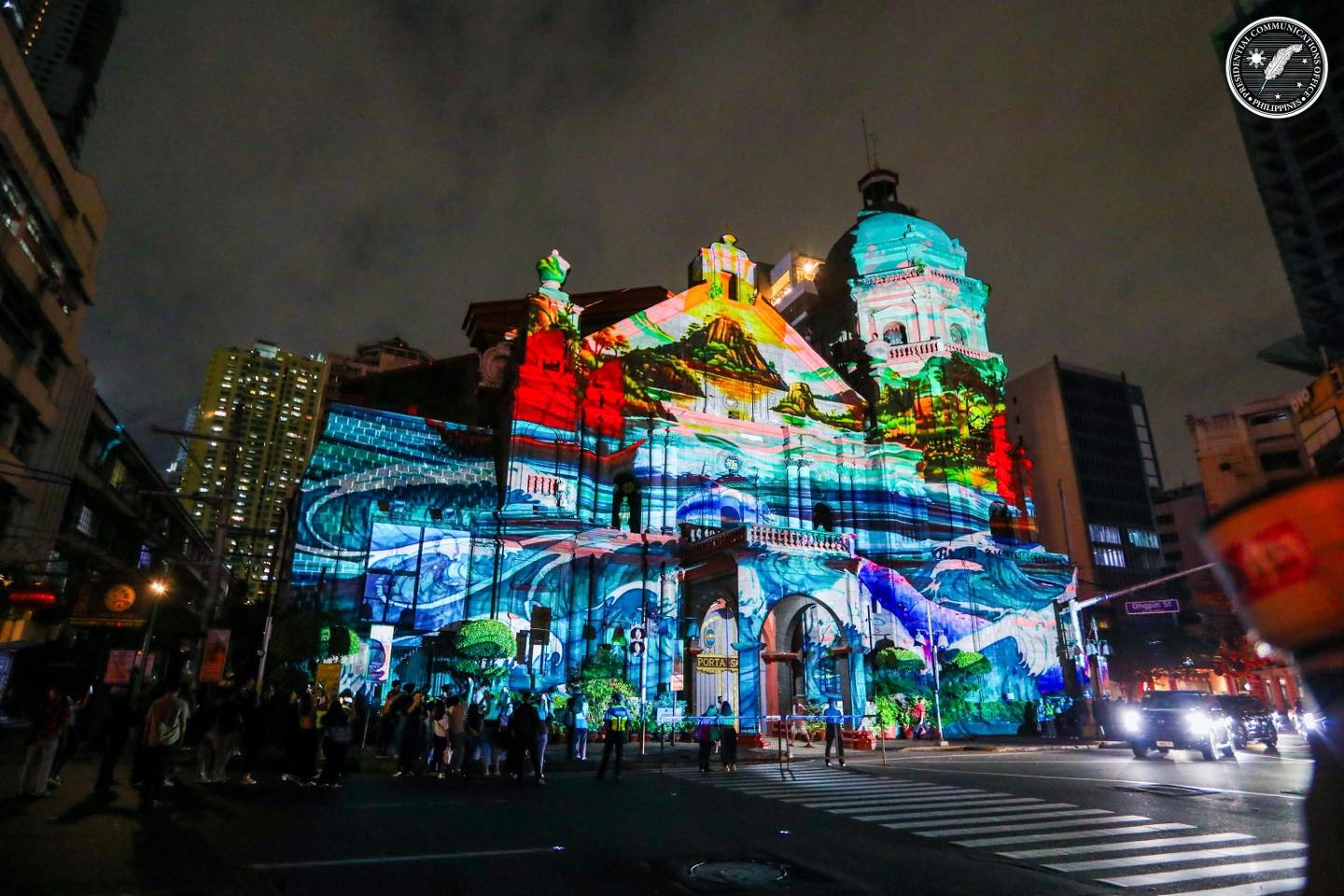
Chinatown Revitalization Project Phase II illuminated La Madre Filipina, MacArthur Bridge, Sta. Cruz Church, the Four Gates of Chinatown, and major streets such as Quintin Paredes, Ongpin, and Sabino Padilla, along with projection mapping at Binondo Church.
“This initiative is all about honoring shared histories and giving the district the much-needed attention and respect that it deserves,” Marcos Jr. said, noting the over four-century legacy of Filipino-Chinese heritage.
The President also pledged to further develop Ongpin Street into a cultural and economic hub, and enhance other key historical landmarks with lighting and thematic presentations, including along Escolta Street.
Giving a new life to Binondo likewise complements the progress made under the Pasig Bigyang Buhay Muli Program, which expanded pedestrian corridors and cleared waterways.
To strengthen mobility, the Chief Executive said that the Pasig River Ferry system would also be developed to link Manila Bay and Laguna Lake.
“This way, Binondo becomes more accessible and more appreciated by more people, especially the younger generation,” he added.
“No matter what you are here for, whether you want to taste the best Chinese-Filipino cuisine, shop in Chinese pharmacies and groceries, go on a photography walk along the district’s lively alleys, Binondo has something in store for you to enjoy,” he added.
Enduring PH-China relations
The revitalization project not only celebrates the rich history of Binondo, which was founded in 1594, but also commemorates the 50th anniversary of diplomatic relations between the Philippines and China.
In line with this, Chinese Ambassador to the Philippines Jing Quan announced that Chinese Ambassador to the Philippines Jing Quan announced the resumption of direct flights between Cebu and Quanzhou in Fujian province.
The Chinese embassy in Manila said that Xiamen Airlines will resume the direct flights on the said route starting March 29, and will operate Tuesdays and Saturdays.
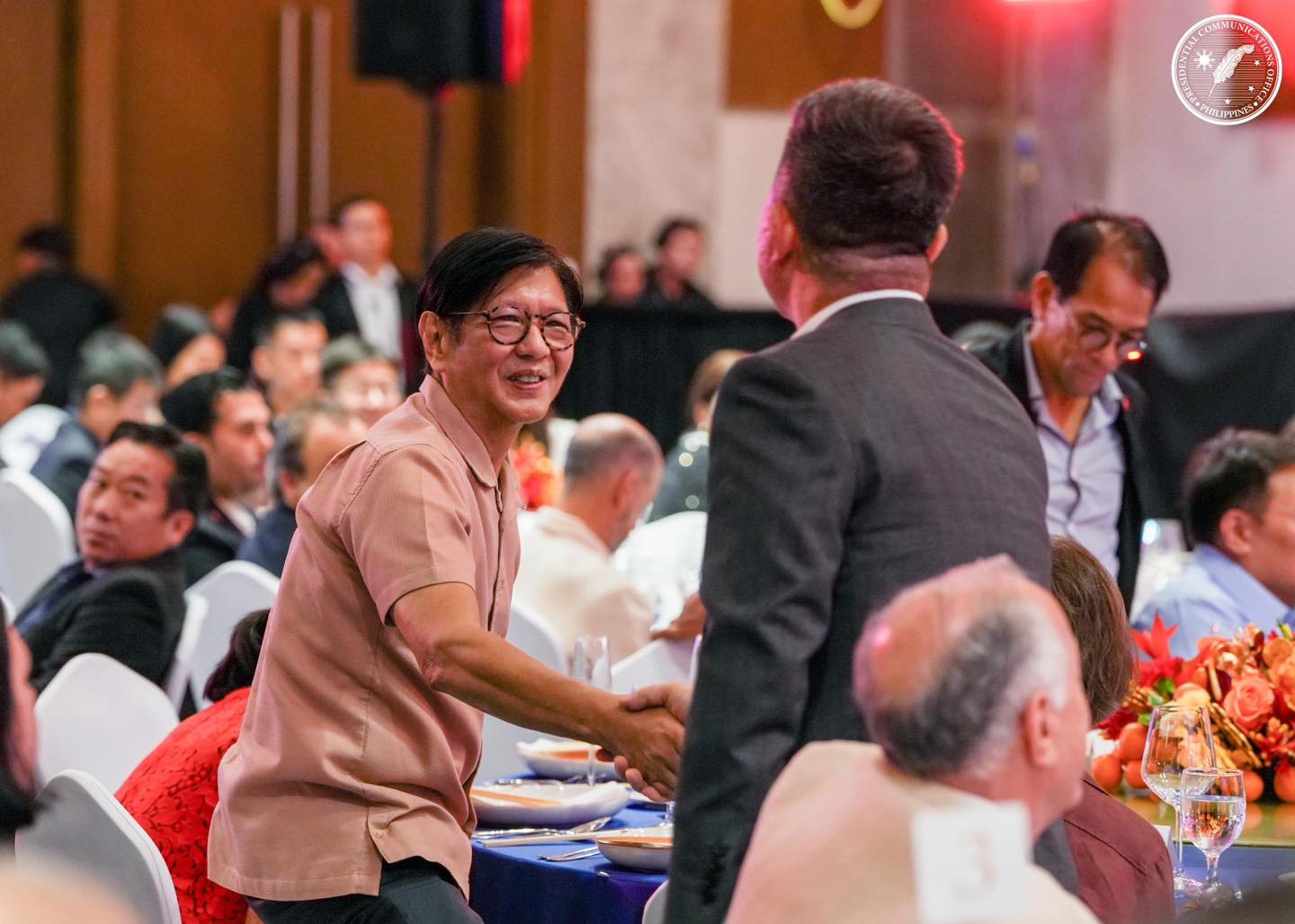
Pres. Marcos Jr. welcomed the good news, expressing hope for more interaction between Manila and Beijing.
“I thank you very much for the good news that you have brought about the flights going to Cebu,” the President told Jing, who was also present at the official launch of the Chinatown Revitalization Phase II.
“And I hope that it will be the beginning of more interactions and people-to-people exchange between China and the Philippines,” he added.
On Jan. 16, the Philippines granted a 14-day visa-free entry for Chinese tourists in a bid to boost trade, investment, and tourism between the countries.
-jpv

