
By Dean Aubrey Caratiquet
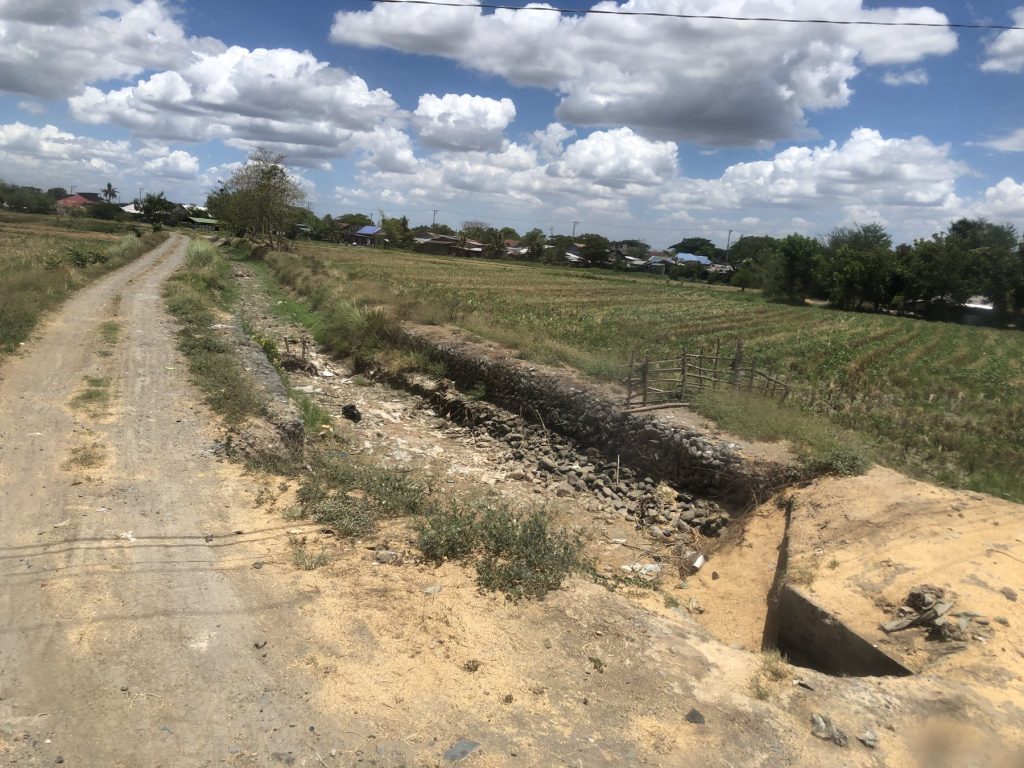
With agriculture serving as the foremost sector to be affected by the looming effects of an anticipated Super El Niño phenomenon, the Department of Agriculture (D.A.) has scaled up its preparations to shield farmers and fisherfolk from its impact.
In a media interview, Agriculture Secretary Francisco Tiu-Laurel Jr. noted that these undertakings serve as an opportunity to apply the lessons learned from the 2024 dry spell that also significantly affected Philippine agriculture.
This, as the agency already began stocking up on food and farm inputs, expanding storage capacity, and building a food buffer to ensure adequate supply nationwide until the first half of 2027, when the El Niño phenomenon is expected to subside.
The D.A. recently procured an additional P6.2 billion for fuel subsidies and other assistance to help farmers, fisherfolk, and truckers of agricultural products cope with the higher fuel costs triggered by the conflict in the Middle East as well as the initial effects of El Niño later this year
Secretary Tiu-Laurel said, “At the end of the day, we are looking at the worst-case scenario, so we expect that overall production will still be lower.”
For its part, the National Food Authority (NFA) rented an additional 165 facilities to boost its storage capacity and minimize potential supply disruptions.
For perishable goods such as meat and vegetables, new cold storage facilities are being opened to minimize food spoilage and wastage.
Weather-related shocks this year, including El Niño, are expected to impact fishery, livestock, and crops as well as shave off around 700,000 metric tons of the projected palay output during the main harvest in the second half of the year.
av

