
Researchers are using genetic analysis to connect the dots in the illegal ivory trade, linking multiple seizures of the valuable tusks to a common set of traffickers.
Targeting these ivory-smuggling cartels could have a major impact on the elephant poaching that is driving the animals to extinction, according to the authors of a new study.
The findings mean some suspects already facing charges from single arrests could face additional charges and stiffer penalties if convicted.
Ivory trafficking is a multibillion dollar transnational criminal enterprise with links to other illegal activities, including drug trafficking. Poaching claims an estimated 40,000 elephants each year.
Missing tusks
University of Washington biologist Samuel Wasser and colleagues have been analyzing tusks seized in ivory busts to track where poached elephants came from. They previously identified hotspots in Tanzania and Mozambique from where nearly all the ivory seized between 2006 and 2014 came.
The new findings emerged from the case of the missing tusks.
Wasser and colleagues noticed that when ivory shipments were confiscated, they often only contained one of an elephant’s pair of tusks.
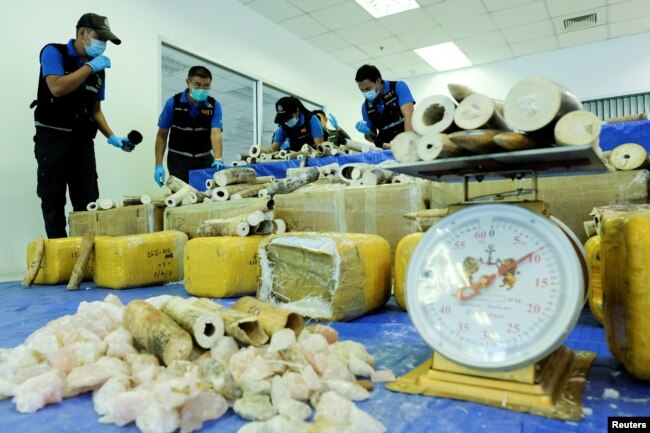
When they searched through genetic data taken from large-scale ivory busts between 2006 and 2015, they found 26 cases in which a tusk from one seizure matched one from a separate shipment.
In each case, the two shipments passed through the same port within a few months of each other. Wasser said that “suggest[s] that the same major trafficking cartel was actually responsible for shipping both.”
The study, published in the journal Science Advances, traces the ivory back to three major cartels based in Lome, Togo; Mombasa, Kenya; and Entebbe, Uganda.
When traffickers are caught, they typically only face charges for one shipment.
The methods Wasser’s group developed can link individual cartels to multiple shipments, and to each other.
For example, a key figure in the Uganda cartel currently is awaiting trial for one seizure. The new study links him to two others. One of those includes tusks from a 2012 incident in which poachers in a Ugandan helicopter shot 22 elephants across the border in the Democratic Republic of the Congo.
“You can imagine, if this evidence is used, how much stronger a case we can build against him,” Wasser said.
International links found
The new study also finds links between the Togo and Kenyan cartels. East African and West African tusks were found in a shipment seized in Malaysia. Ivory from this shipment matched tusks from separate seizures linked to Lome and Mombasa.
East African drug-smuggling suspects facing charges in the United States have been linked to the Kenyan ivory trafficking ring.
“The stories that emerge (from the research) are fascinating and important,” said CEO Frank Pope of the nonprofit Save the Elephants. “Wasser’s work is helping us to close in on those networks by telling the story of the connections between the different shipments.”
Wasser’s methods have already helped investigators disrupt international trafficking operations, according to Special Agent John Brown with the Department of Homeland Security Investigations.
But Brown notes that few countries are complying with a directive to send samples from ivory busts for DNA analysis. That makes it harder for law enforcement to get to the root of the problem, he added.
“A seizure of three tons of ivory looks very good on the front page of the local newspaper,” Brown said. “But if we don’t attack the transnational criminal organizations behind it, then the problem will continue.” (Steve Baragona / VOA News)

