
Agence France-Presse
The El Niño weather phenomenon, which triggers higher global temperatures, is expected to last until at least April 2024, the United Nations said on Wednesday.
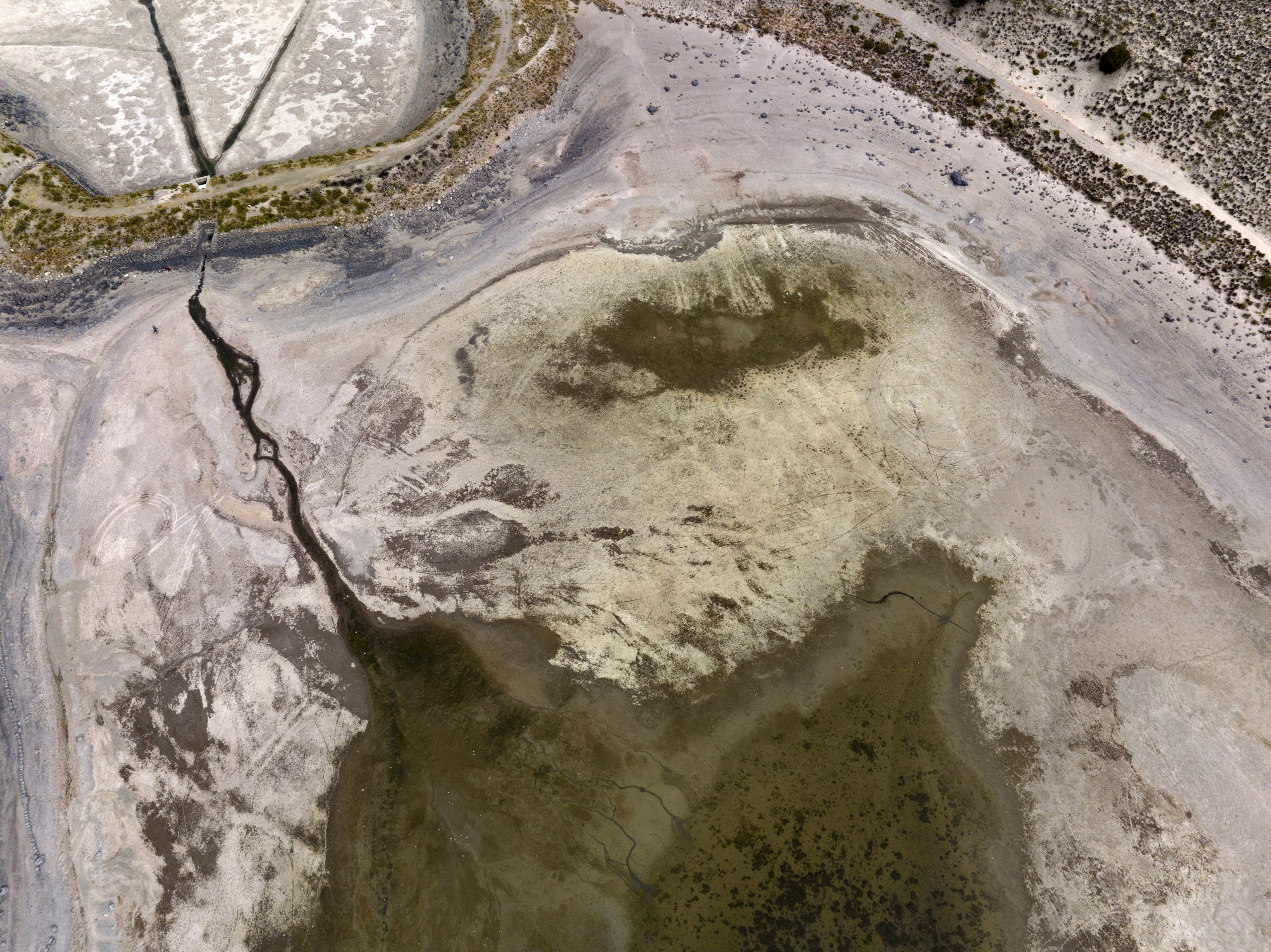
El Nino is a naturally occurring climate pattern typically associated with increased heat worldwide, as well as drought in some parts of the world and heavy rains elsewhere.
The UN’s World Meteorological Organization said the current El Niño, which developed rapidly during July-August this year, was likely to peak between now and January.
“There is a 90-percent likelihood it will persist throughout the upcoming northern hemisphere winter/southern hemisphere summer,” it said in its latest update, adding that it was expected to last until at least April.
The weather phenomenon typically occurs every two to seven years, and it usually increases global temperatures in the year after it develops.
But, while most of the El Niño impact is not expected to be felt until 2024, WMO highlighted that the phenomenon was occurring in the context of rapid climate change.
Currently the hottest year ever recorded was 2016 – the year after an exceptionally strong El Niño developed – but the world is already on track to beat that record.
“As a result of record high land and sea-surface temperatures since June, the year 2023 is now on track to be the warmest year on record,” WMO chief Petteri Taalas said in the statement, warning that “next year may be even warmer.”
“This is clearly and unequivocally due to the contribution of the increasing concentrations of heat-trapping greenhouse gasses from human activities,” he said.
“Extreme events such as heatwaves, drought, wildfires, heavy rain and floods will be enhanced in some regions, with major impacts,” he cautioned, stressing the importance of efficient early warning systems.
El Niño last occurred in 2018-2019 and was followed by an exceptionally long La Nina – El Niño’s cooling opposite – which ended earlier this year.
WMO said the most recent forecasts for the current El Niño impact suggest a high likelihood of continued warming in the central-eastern equatorial Pacific through next April.
Above-normal sea-surface temperatures are also expected across most of the global oceans, while above-normal temperatures are expected, too, over almost all land areas, it said.
Other impacts are likely to include above-normal rainfall in the Horn of Africa region and the La Plata basin in South America and in southeastern North America, as well as in parts of central and eastern Asia.
The north of South America, much of Australia and the Pacific islands are meanwhile set to see less rain, according to the predictions.

