
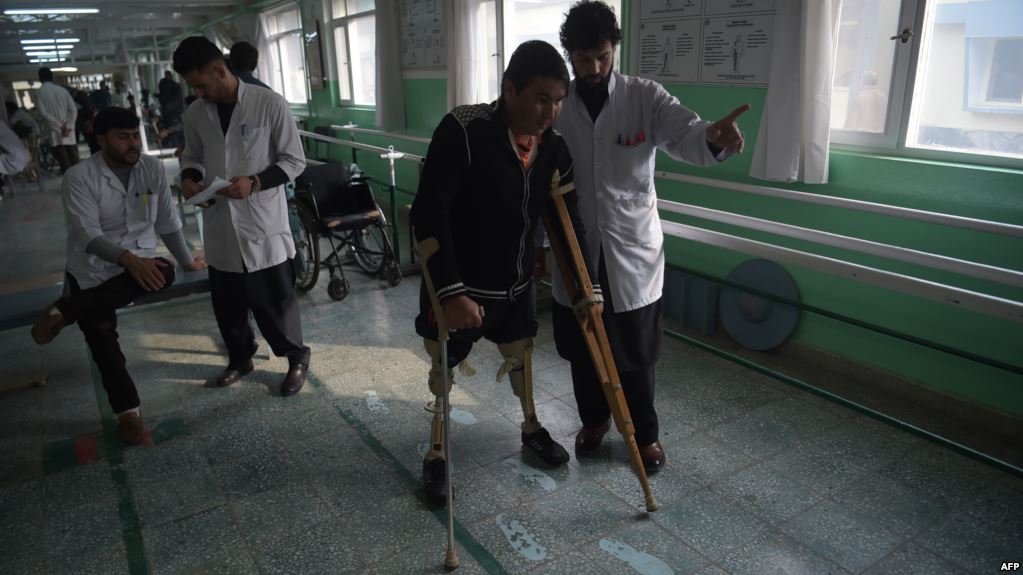
GENEVA — The International Federation of Red Cross and Red Crescent Societies has issued an annual report that focuses on the millions of elderly, disabled, and vulnerable victims of natural and man-made disasters who fall through the humanitarian cracks and don’t receive desperately needed aid.
The United Nations reports more than 134 million people are in need of humanitarian aid and protection. In addition, many of the more than 68 million migrants on the move get caught in emergency situations and also need assistance.
The International Red Cross Federation says the world is in the middle of an unprecedented period of humanitarian needs because of the severity and frequency of shocks and hazards.
Millions of people who find themselves in dire straits receive the food, shelter, medical and other care they require to help them survive and rebuild their lives.
Unfortunately, IFRC Secretary General Elhadi As Sy said millions of others get lost in the humanitarian system and are left behind. He said those people often have the misfortune of being at the wrong place, at the wrong time and are not counted.
“These are the stories of the old lady or the old man in the middle of a disaster that cannot run to a shelter. This is the disabled person that cannot line up in 40 degrees under the shade to carry a 50-kilo bag of rice. This is a child that is witnessing so many things that a child should never witness.”
Sy said many people are out of sight. They are hidden in the shadows of a disaster or inaccessible to those who could help and so they are left behind. He says millions of people are outside the traditional areas of conflict, disaster, displacement or disease. And so, they too, he says, get left behind.
The Red Cross has several recommendations to remedy the serious gaps in humanitarian assistance operations. They include a call for better data on those most in need of aid and greater efforts by governments to prioritize support for people hardest to reach.
Secretary-General Sy said there should be a major shift in how funds are allocated. He said more money should be entrusted to local and national humanitarian organizations. He said those groups speak the local languages and understand the local customs. He said they are best placed to know which members of their communities are the most isolated, the most vulnerable and the most in need. Voice of America

