
More Than Half the World’s Population is Using the Internet

by Lisa Schlein / Voice of America
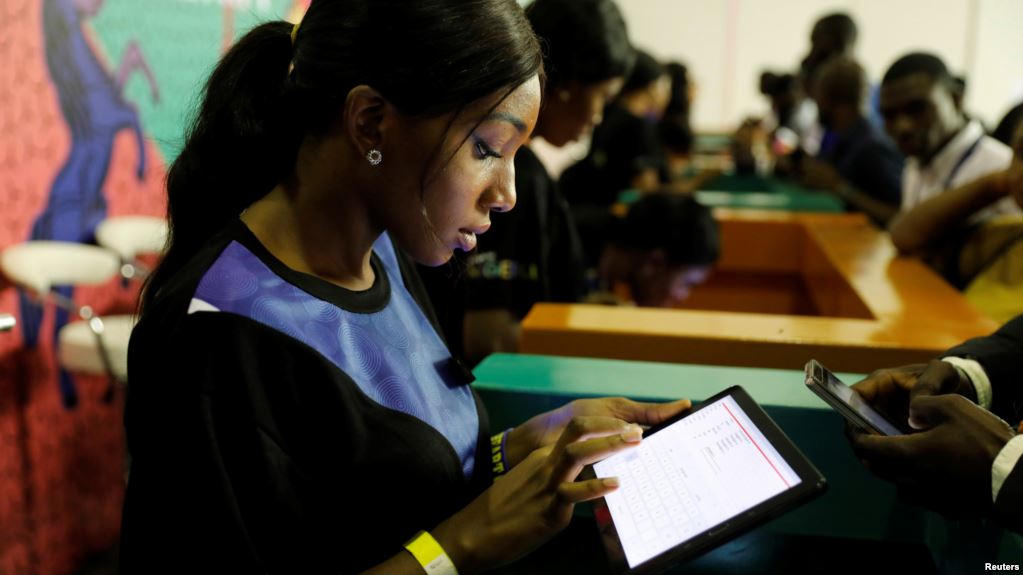
FILE – Youths are seen browsing the internet inside the venue of the launch of Google free wifi project in Lagos, Nigeria, July 26, 2018.
The International Telecommunication Union reports that for the first time in history, half of the global population is using the internet. A new report finds by the end of the year, 3.9 billion people worldwide will be online.
The report finds access to and use of information and communication technologies around the world is trending upwards. It notes most internet users are in developed countries, with more than 80 percent of their populations online. But it says internet use is steadily growing in developing countries, increasing from 7.7 percent in 2005 to 45.3 percent this year.

The International Telecommunication Union says Africa is the region with the strongest growth, where the percentage of people using the internet has increased from just over two percent in 2005 to nearly 25 percent in 2018.
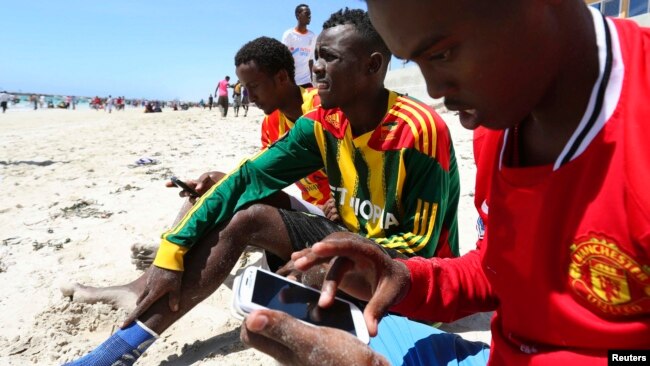
FILE – A Somali man browses the internet on his mobile phone at a beach in Somalia’s capital Mogadishu, January 10, 2014.

The lowest growth rates, it says, are in Europe and the Americas, with the lowest usage found in the Asia-Pacific region.

In addition to data on internet usage, newly released statistics show mobile access to basic telecommunication services is becoming more predominant. ITU Senior Statistician, Esperanza Magpantay says access to higher speed mobile and fixed broadband also is growing.

“So, there is almost 96 percent of the population who are now covered by mobile population signal of which 90 percent are covered by 3G access. So, this is a high figure, and this helps explain why we have this 51 percent of the population now using the internet,” she said.

With the growth in mobile broadband, Magpantay says there has been an upsurge in the number of people using the internet through their mobile devices.
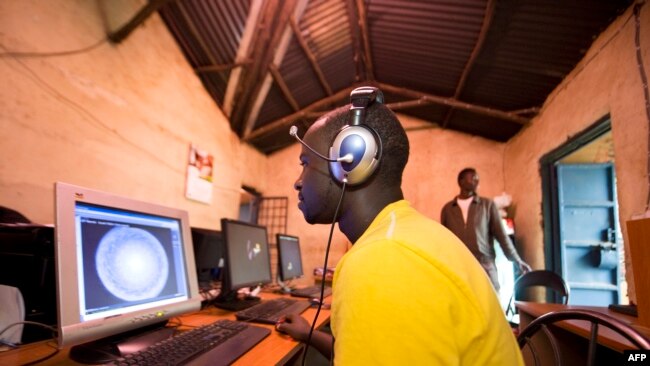
FILE – Young men surf the internet at a cyber cafe on June 20, 2012 in Kibera slum in Nairobi.

The ITU says countries that are hooked into the digital economy do better in their overall economic well-being and competitiveness. Unfortunately, it says the cost of accessing telecommunication networks remains too high and unaffordable for many.

It says prices must be brought down to make the digital economy a reality for the half the world’s people who do not, as yet, use the internet.

Popular

DOE eyes ‘weekly’ Earth Hour to boost PH energy conservation efforts

By Brian Campued In a bid to promote a whole-of-nation approach to energy efficiency, the Department of Energy (DOE) is preparing to launch a weekly...

DILG’s ‘Safer Cities’ policy not anti-poor —Palace

By Brian Campued The “Safer Cities” initiative of the Department of the Interior and Local Government (DILG) is meant to instill discipline among the youth...

P10/L fuel subsidy for PUV drivers to begin April 14 —LTFRB

By Brian Campued Following President Ferdinand R. Marcos Jr.’s announcement of new initiatives to cushion the impact of surging fuel prices in the country, the...

Palace firm on combatting fake news vs. PBBM’s health, admin

By Brian Campued Malacañang on Friday reiterated that rumors circulating online about the alleged deteriorating health of President Ferdinand R. Marcos Jr. are “fake news.” In...