
By Dean Aubrey Caratiquet
Irrigation systems serve as the backbone of the country’s agricultural landscape—providing farmers and their paddy fields with a resource to nourish their crops and eventually harvest them later on for consumption at tables of Filipino families across the country.
Such was the importance of these water supply infrastructures that structural deficiencies can generate a chain reaction across the supply chain, with severe floods in late 2022 and early 2023 leading to a partial collapse of the Mahayag Dam, which endangered irrigation services and nearby communities.
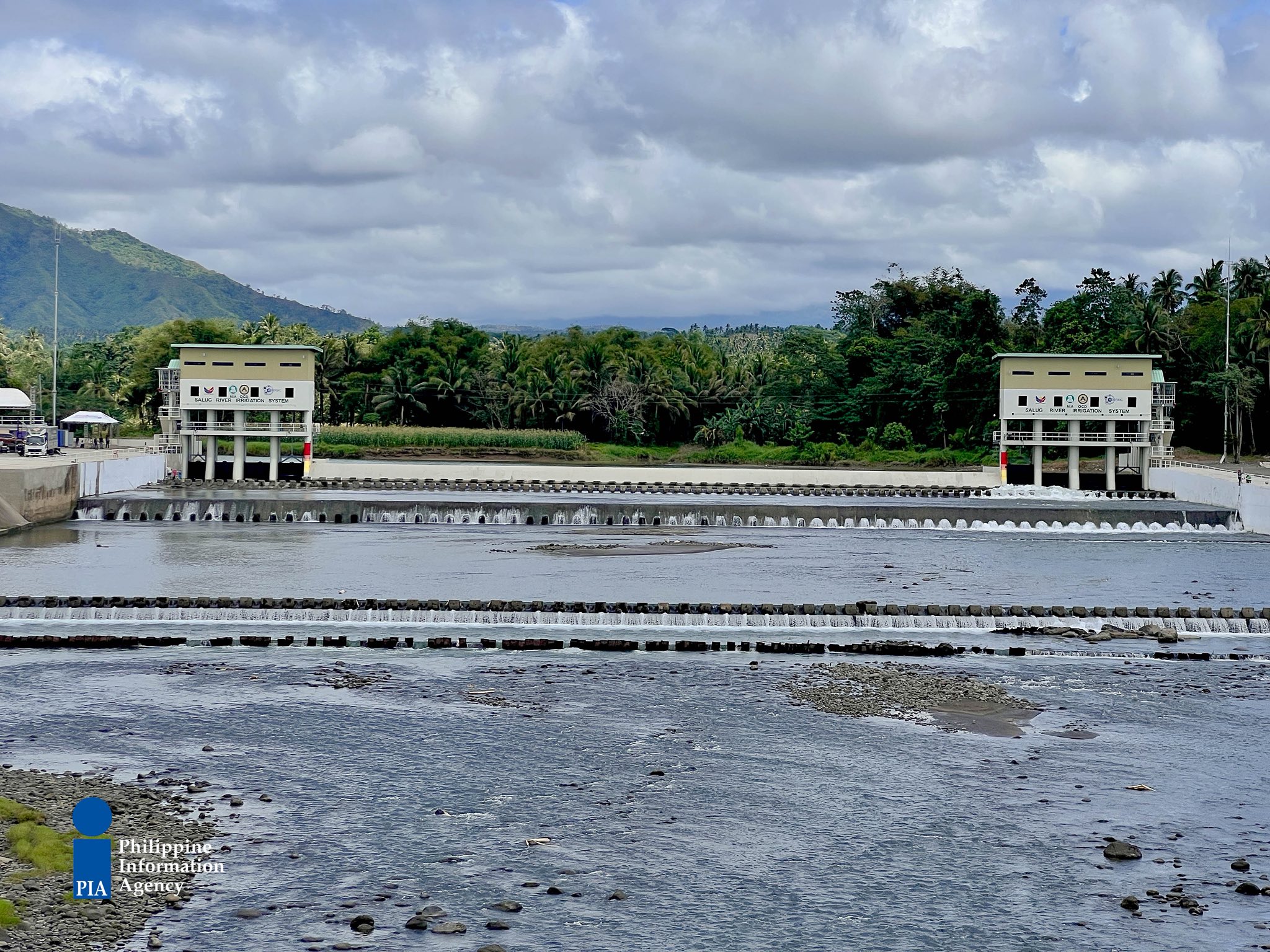
This Thursday, however, marks a new chapter in the revitalization of the Salug River Irrigation System (Salug RIS), as President Ferdinand R. Marcos Jr. inaugurated the newly rehabilitated water impounding structure that provides irrigation to 5,044 hectares of farmland in Zamboanga del Sur.
Addressing local farmers, the President underscored the broader impact of the project: “Sa pamamagitan ng proyektong ito, inaasahan nating mas mapapabuti ang water diversion, irigasyon, at iba pang gawaing pang-agrikultura ng rehiyon. Makakatulong din ito sa pagbawas ng baha at sa pangkalahatang seguridad ng mga tahanan at kabuhayan dito sa Zamboanga del Sur.”
He reassured them, “Makakaasa po kayong patuloy ang administrasyong ito sa pagbibigay sa ating magsasaka ng mas mabilis na access sa ganyang sari-saring teknolohiya, sa sari-saring pagsasanay, suporta pa para umangat at maging mas maginhawa pa ang inyong mga buhay.”
The Mahayag Dam’s reconstruction effort was led by the National Irrigation Administration (NIA), with P450 million in funds for its rehabilitation sourced from the National Disaster Risk Reduction and Management Fund (NDRRMF).
Originally built in 1967 to help in irrigating farmland in the towns of Mahayag, Molave, Ramon Magsaysay, and Sominot in Zamboanga del Sur, this water impounding structure forms part of the Salug RIS that provides a water supply for agricultural use in Zamboanga Peninsula.
A significant leap in sustainable agriculture
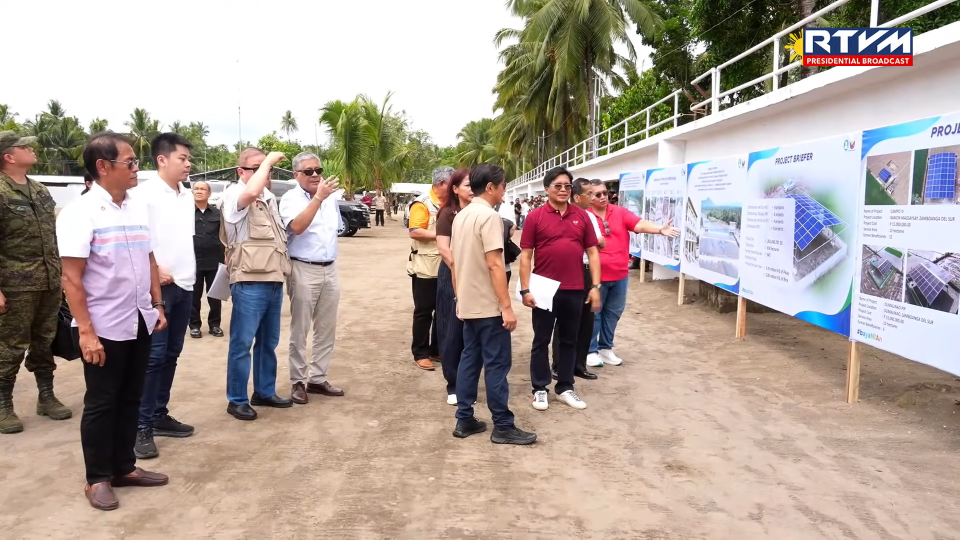
On the sidelines of the dam’s inauguration, the Chief Executive also graced the launch of 20 Solar-Powered Irrigation Pump Projects (SPIPs) under NIA’s establishment of a Groundwater Pump Irrigation Project that aims to maintain agricultural productivity in areas without stable access to electricity.
The SPIPs were distributed among 635 farmers in the region and use solar energy instead of fossil fuels to maintain constant access to water for irrigation of their farmland.
To ensure seamless operation, the NIA was tasked with maintaining the solar panels and pump systems, while local associations will facilitate the distribution of water to beneficiaries.
President Marcos Jr. concluded in his remarks, “Nakakabawas din ito sa carbon emission na nagpapalala ng polusyon. Higit sa lahat, pinapalakas nito ang seguridad ng pagkain at kabuhayan ng ating magsasaka at ng buong bansa.”
jpv

