
By Ma. Teresa Montemayor | Philippine News Agency
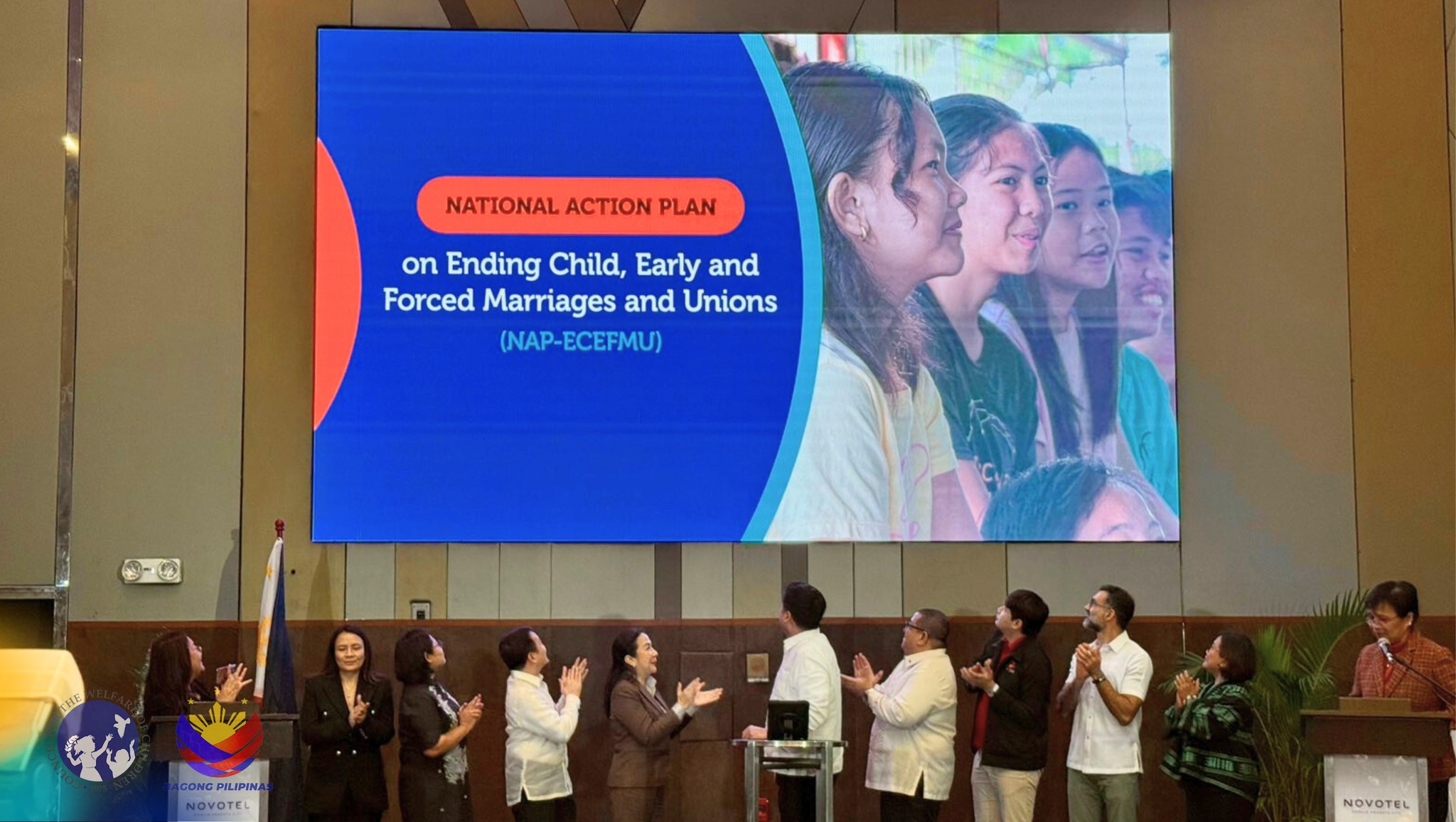
The Philippines on Friday launched a multiyear national action plan to end child, early, and forced marriages and unions, strengthening efforts to protect vulnerable children and uphold their rights.
The National Action Plan to End Child, Early, Forced Marriages and Unions for 2025–2028 outlines measures to prevent child marriage, improve protection services, and address deep-rooted social norms that place children, particularly girls, at risk.
National and local government officials, youth advocates, and development partners participated in the launch.
Developed by the government in coordination with the Council for the Welfare of Children (CWC), the Department of Social Welfare and Development (DSWD), the United Nations Population Fund (UNFPA), the United Nations Children’s Fund (UNICEF), and civil society group Philippine Legislators’ Committee on Population and Development (PLCPD), the plan is anchored on child participation, ensuring young people’s insights shape priority actions.
Despite gains in policy reform, the country continues to face significant challenges, with one in 10 girls still vulnerable to early and forced unions. Republic Act No. 11596, signed in 2021, criminalizes child marriage, but sustained implementation and community support are needed to fully protect at-risk children.
“Today is proof that when everyone works as one, we can break a cycle. Kaya nating itigil ang child, early, and forced marriage and unions,” DSWD Sec. Rex Gatchalian said, reaffirming the agency’s commitment to implement RA 11596 and strengthen policies, training, and support for frontliners and partners.
CWC Executive Director Angelo Tapales said the action plan reflects the country’s whole-of-government and whole-of-society approach.
“By transforming harmful social norms, enhancing social services, and empowering communities to take proactive action, it aims to effectively prevent and respond to the adverse effects of early marriage and union on our children,” he said.
UNFPA and UNICEF have been supporting local governments in enhancing service delivery, strengthening referral pathways, and linking child protection efforts with education, health, and social welfare systems.
UNFPA Philippines Country Representative Neus Bernabeu emphasized the importance of translating policy into meaningful change.
“Child marriage is a fundamental violation of human rights that robs girls of their childhood, their health, and their agency,” she said, adding the plan bridges the gap between legal protections and the lived realities of vulnerable girls.
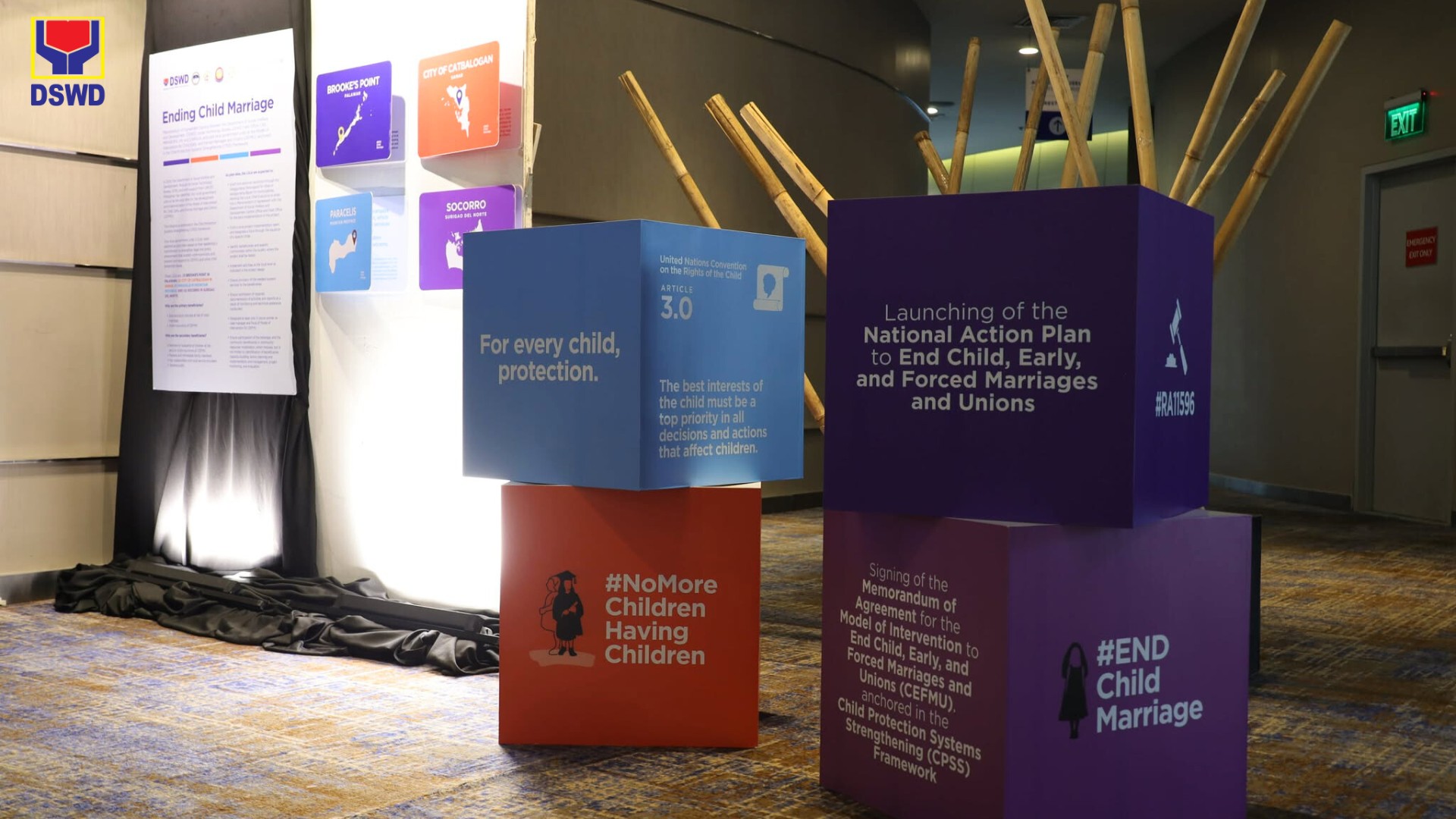
Local governments of Brooke’s Point, Catbalogan City, and Socorro signed a memorandum of agreement to adopt a systems-based approach to prevent and respond to child marriage. UNICEF is supporting these local government units through improved referral mechanisms and integration of child protection systems at the community level.
“We want to make real change to end child marriage,” UNICEF Philippines Representative Kyungsun Kim said, stressing the need for strong protection systems, supportive social norms, and empowered communities.
Meanwhile, PLCPD Executive Director Aurora Quilala said the action plan provides an important platform for the full implementation of RA 11596.
“Laws have the power to change the lives of children in the Philippines. This can happen if landmark laws, such as RA 11596, are fully and meaningfully implemented,” she said.
The national action plan reinforces the country’s long-term commitment to ensuring that every child grows up free from violence, empowered to pursue education, and protected by strong community and government systems.

