
By Dean Aubrey Caratiquet
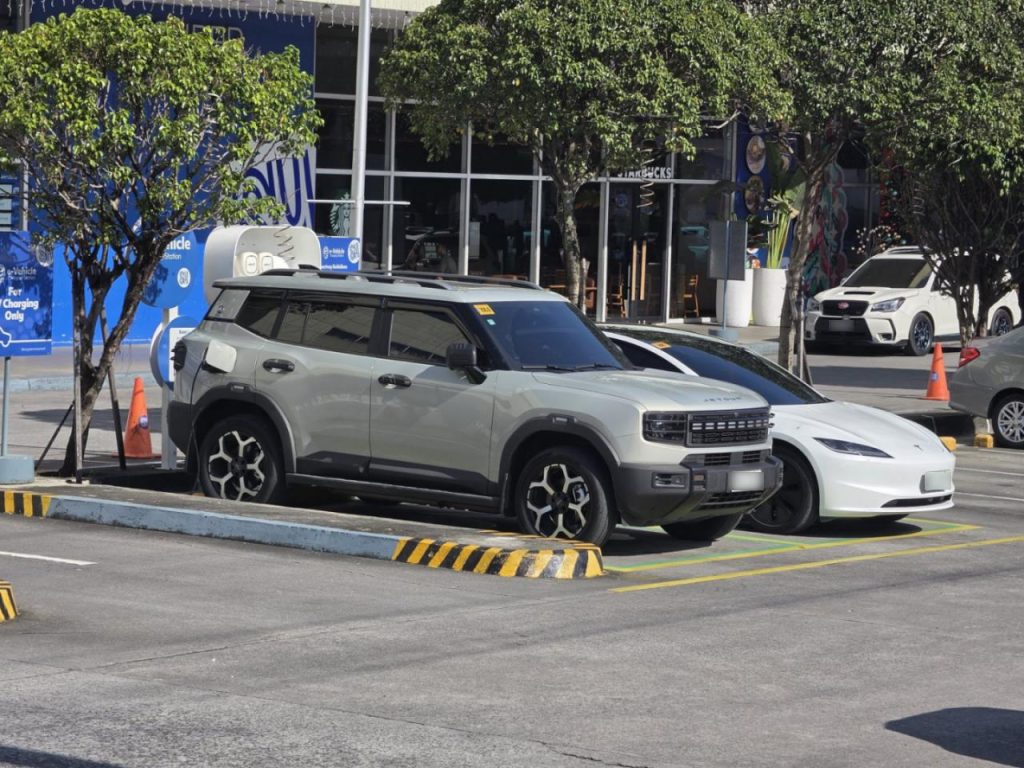
Seeing more and more automobiles navigating the country’s roads without emitting any engine noise or fumes? These new green-plate vehicles epitomize the future of mobility in the Philippines, amid the reigning dominance of their internal combustion engine-equipped counterparts.
This also reflects the thriving electric vehicle (EV) industry in the Philippines, which bodes well for the government’s target of a 50% EV share among domestic vehicles by 2040.
At the ASEAN EV Conference 2026, Energy Secretary Sharon Garin outlined some steps that the agency is undertaking to accelerate EV adoption in the country, which include putting up EV parking spaces with dedicated charging stations and issuance of standardized permits for the construction of charging facilities.
Secretary Garin said, noting the importance of a public-private sector collaboration to reach the 2040 Target, “This is why the DOE is prioritizing two measures under the Electric Vehicle Industry Development Act (EVIDA). First, a department circular for identified establishments. Second, a joint memorandum circular with DILG, DPWH, and ARTA.”
For his part, Electric Vehicle Association of the Philippines (EVAP) President Willy Tee Ten underscored the importance of alignment across various industries and agencies in making this change happen.
“EV is an ecosystem, and every piece matters. And why does this matter so much? Because electric mobility is not just a transport issue; it is a development strategy.”
The shift towards sustainable mobility is expected to open doors for EV manufacturing, infrastructure, and skills development, while also generating “green” jobs.
As of press time, there are already more than 2,000 charging points supported by Meralco in public, private, and residential establishments within its franchise area, with the power company vowing to further expand its investments in charging infrastructure.
At this juncture, Asian Federation of Electric Vehicle Association (AFEVA) President Edmund Araga called for unified ASEAN policies to help expedite the transition to a cleaner transport system.
Meanwhile, the Technical Education and Skills Development Authority (TESDA) is set to expand its training programs for EV and hybrid vehicle servicing to prepare workers for an emerging industry. (with report from Elijah Canlas | PTV News)
jpv

