
By Gabriela Baron
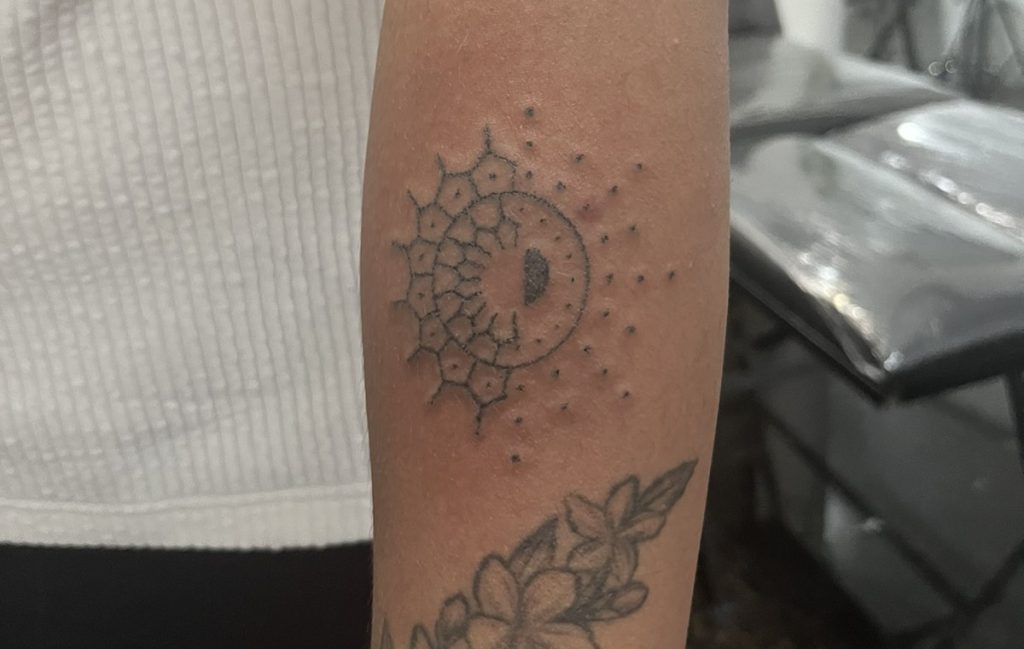
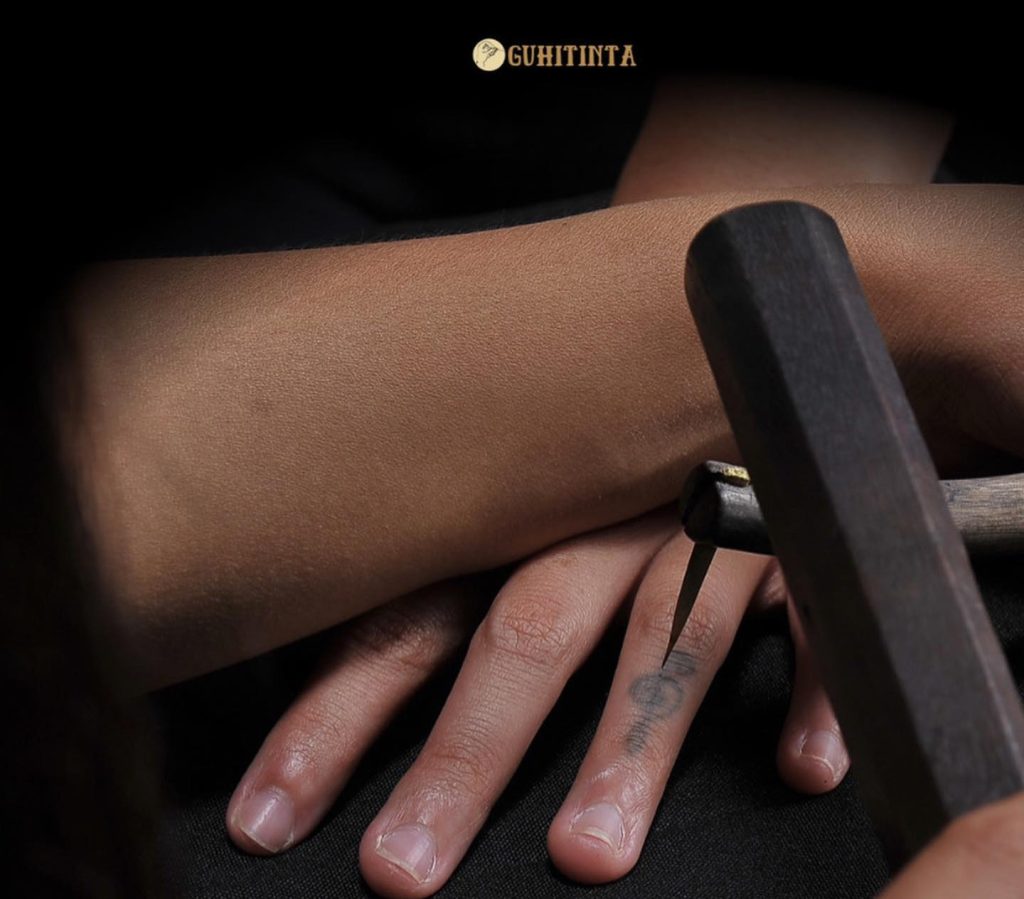
“Batok” or the art of hand-tapping the ink into the skin using a thorn and stick has always existed during the pre-colonial Philippines.
Now, the Indigenous Filipino tattooing practice is gaining traction as young members of the Butbut Tribe, where the National Living Treasures Award nominee Apo Whang-od Oggay hails, are starting to mainstream “pagbabatok.”
Among them is Ammin Acha-ur, 25, a self-taught batok artist.
“[Ang pagbabatok] ay dati na siyang ginagawa ng mga ancestor namin way back before pa, like pre-colonial times,” Acha-ur told PTV Digital.
“Ngayon… hindi na malayong [hindi] mawala ‘yung culture kasi marami na kaming mga younger generation na mambabatok,” she added.
Batok art
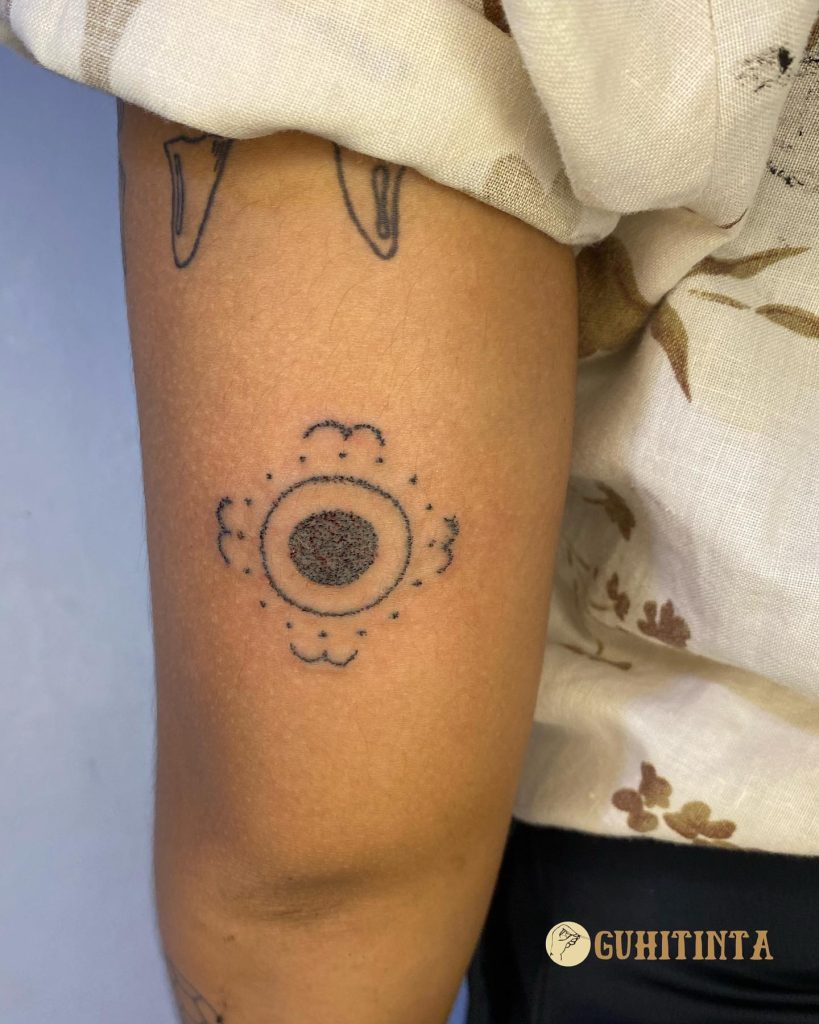
What makes batok art different from the usual needle tattoo is the materials used, according to Acha-ur.
“Bukod sa mga design, sa kulturang dala nito. Naiiba rin siya sa material na ginagamit namin which is very organic ‘yung material namin,” she continued.
“Lahat ay from innovation ng ancestor namin which is ang ginagamit naming needle ay lemon thorn and ang ginagamit naming ink ay pinewood soot, ‘yun ‘yung ash na apoy na naiiwan sa puwetan ng kaldero pag nagluluto ka sa apoy,” she added.
In pre-colonial Philippines, batok art imprinted on skins signified strength for men and beauty for women.
Headhunters earned tattoos from protecting their villages or killing enemies, while women were tattooed for different reasons, including for fertility and beautification.
How long does it usually take?
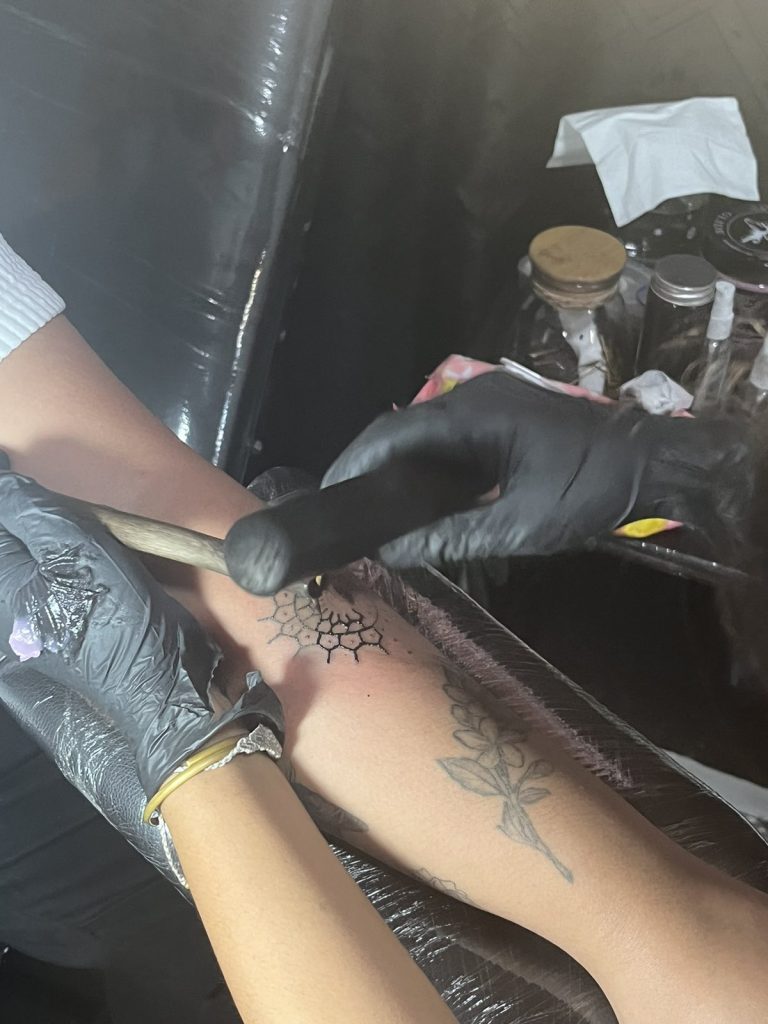
Pagbabatok takes a little longer compared to a normal needle tattoo.
“Medyo matagal siya… Kasi sa minimalist pa lang na design, aabot na siya nang isang oras,” Acha-ur said.
“Let’s say na ang design ay mountain, apat lang na mountain na size niya ay two inches, aabot ‘yun nang dalawang oras. Depende na rin sa skin texture kung gaano ‘to nag-aabsorb ng tinta, doon din siya tatagal,” she added.
Full-sleeve batok art usually takes multiple sessions, she noted.
“Sa akin, ‘yung mga pinakamalalaking piece ko, ‘yung left and right na full sleeves tapos kasama na ‘yung chest, umabot kami nang two years,” Acha-ur shared.
“Kasi kailangan din ng interval, kailangan magpahinga nung sugat para hindi rin malagnat ‘yung magpapabatok, kailangan din nila mag-heal,” she added.
How batok art changed through the years
A lot has changed since the traditional Indigenous art became popular.
“[Dati], kami-kami lang syempre, ‘yung tribe, sila-sila lang ‘yung nagbabatukan. When it comes to sanitation, ayon ‘yung malaking na-adapt ng generation din ngayon kasi kailangan na rin,” Acha-ur explained.
“Noon isang tinta [lang], pwedeng ilang tao na gagami nun. Kasi ano naman e, wala namang alam mong nakakahawang sakit… walang mga sakit na delikado. Same ink, same needle, same thorn, same pamunas,” she added.
Apart from sanitation, traditional designs also evolved.
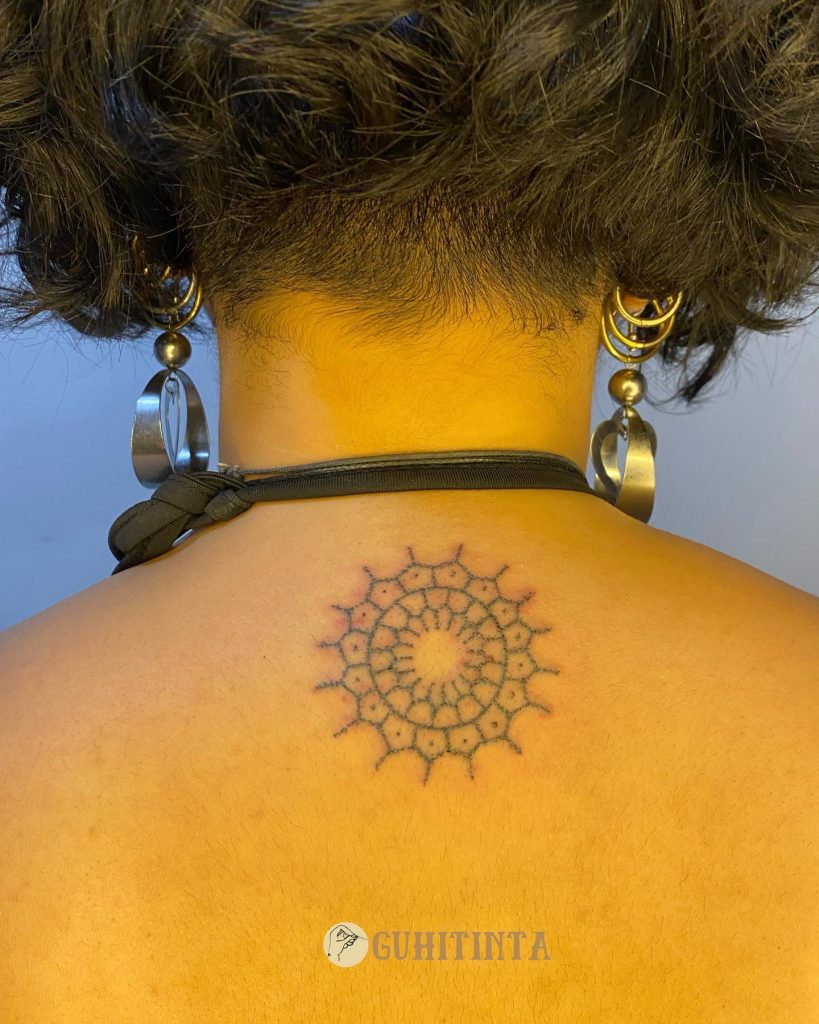
“When it comes to design, dati strict to traditional designs naman, pero ngayon nga nag-aadapt na sila kasi ang pambabatok ay visual [art] din, kung ano ‘yung nakikita nila sa paligid, parang ini-interpret nila o ginagawan nila ng sariling interpretation tapos ‘yun ‘yung ilalagay sa mga batok na nagpapabatok,” she continued.
“Ano rin, when it comes to processes ng mga mambabatok, [dati] may ritwal pa ‘yan lalo na sa mga warrior ‘pag umuwi sila na may dalang ulo ng kalaban. Ang gagawin nila noon, magcha-chant pa ‘yung mga kababaihan, magkakatay pa sila ng baboy bago bigyan ng tattoo ‘yung warrior, pero ngayon wala na rin ganun,” she added.
Acha-ur said today’s mambabatok artists no longer practice rituals since the art has been commercialized.
“Wala na silang manok, baka maubusan sila ng manok, baboy. Sa mga mambabatok kasi kailangan mo rin magparitwal kasi nagpapadugo ka ng tao, so kailangan mo magkatay rin ng baboy para ‘yung kamalasan o anuman sakit hindi mo makuha,” she added.
Batok’s importance in Philippine culture
Acha-ur believes tattooing and pagbabalok has a huge contribution to the country’s culture since it has been practiced by our ancestors.
“‘Yan ay sariling atin. Kahit pa naman during pre-colonial pina-practice na ng mga ninuno natin ‘yan so ‘yan ang dapat wag natin tanggalin,” she explained.
“Ipalaganap natin siya in an educational way para maintindihan ng younger generation na ang tattoo ay hindi lang siya form of self-expression or criminal stereotype, isa siyang malaking kontribusyon sa kultura,” she added. “May pinaglalaban siyang history na may dahilan kung bakit natin ‘to ginagawa na hindi lang dahil gusto ng mga tao kung di dahil kasama talaga ‘to sa pamumuhay noon pa.”
Want to have your first batok art? Here’s what to consider
Research.
“Dapat alam mo ‘yung designs, alam mo ‘yung meaning ng designs and syempre hindi naman lahat kasi alam ‘yung history ng batok pero siguro it’s a way para malaman mo rin,” she said.
“Of course, kailangan maging handa rin physically, mentally and emotionally.”
-ag

