
By Christine Cudis/Philippine News Agency
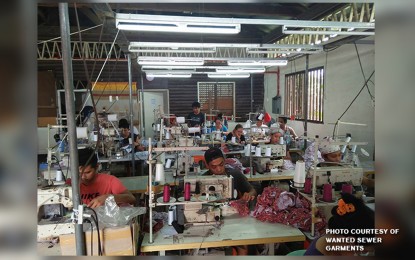 MANILA — The usually moderate Trade Union Congress of the Philippines (TUCP), touted as the country’s biggest labor union, squarely placed on businessmen’s shoulders the blame for the major setback in the enactment of the Security of Tenure Bill, also known as the “End Endo Bill.”
TUCP spokesman Allan Tanjusay said the labor group “blames the scare tactics and deception of capitalists, both local and foreign businesses, for misleading President Duterte in rejecting the bill because it would disincentivize business and investors”.
Permanently putting an end to the often-exploitative practice of labor only contractualization was one of the president’s campaign promises, he added.
The measure aims to outlaw the practice of labor-only contracting or endo (end of contract) which the employers’ sector have been known to perpetuate in order to limit the benefits extended to workers and allow for easy termination of services.
“Business groups threatened our government with frightening scenarios of capital flight, relocation, and increased costs. We remind the foreign chambers, the employers, and the economic managers that dirt cheap and exploitative labor policies are no longer come-ons for investments,” Tanjusay added.
Meantime, a statement released by Malacañang following the bill’s veto said that Duterte merely wants to see some revisions on the bill, to promote fairness and retain ease of doing business in the country, which he also works on to invite more investors to come into the country.
“Our goal has always been to target the abuse while leaving business free to engage in those practices beneficial to both management and workforce,” the president’s statement read.
With the bill expected to be refiled in the 18th Congress, the Palace has reportedly pointed out certain provisions in the measure that need to be changed by its proponents.
This includes allowing certain forms of contractualization that do not specifically do harm to employees, instead of legislating a wholesale ban on short-term labor contracts. The proposed law should also take into account that policies adopted to protect workers should not “oppress or destroy” capital.
For the latest updates about this story, visit the Philippine News Agency website

