
By Dean Aubrey Caratiquet
From combatting frost (andap) during the northeast monsoon (amihan) months, farmers in the Cordillera Administrative Region (CAR) are now among those who have to bear the brunt of rising fuel prices, which eat into their profit margins and relegate excess production to waste, as seen on social media.
The Department of Agriculture (D.A.) took note of such worrying developments, and has now ramped up its various initiatives to look after those who bring food to the tables of Filipinos across the country.
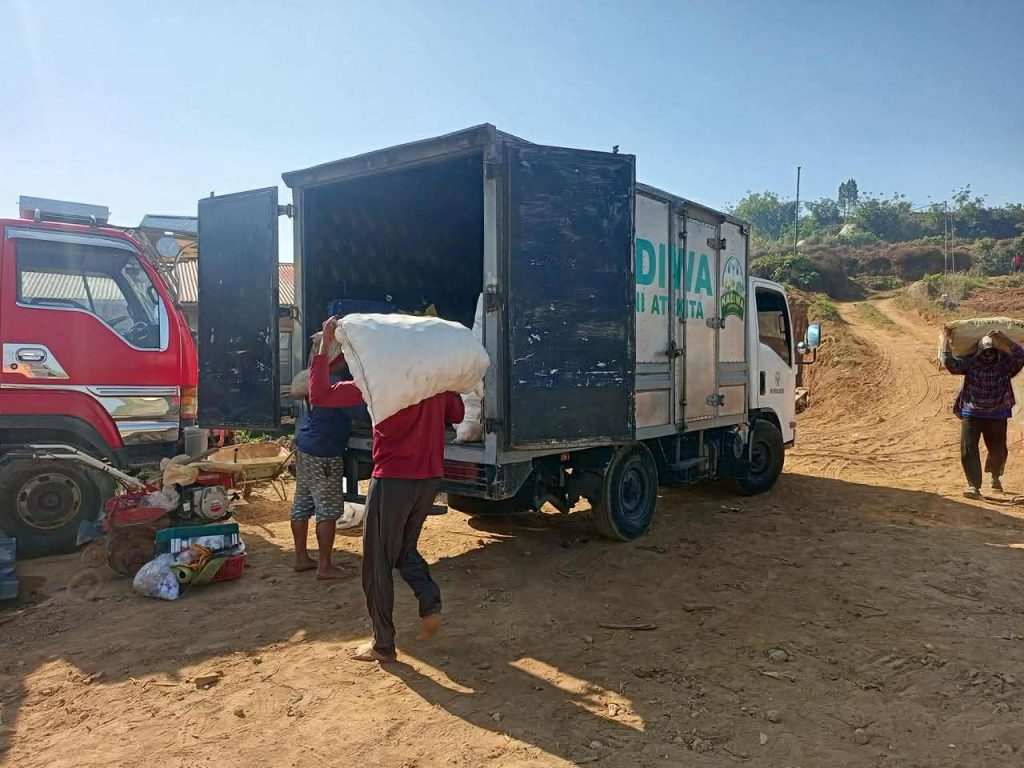
Through its regional field office in CAR, the agency led the rollout of fuel subsidies, expanded KADIWA market linkages, deployed trucks to haul produce, and strengthened coordination with government agencies and private partners.
Further long-term measures, including cold storage, processing facilities, and low-cost preservation technologies, are also being put in place to reduce post-harvest losses and preserve the quality and quantity of the farmers’ and fisherfolk’s output.
For fisherfolk, the spike in fuel prices has forced many to scale down or suspend fishing operations, cutting into daily income and affecting fish supply.
To cushion the impact, the D.A., through the Bureau of Fisheries and Aquatic Resources, has allocated P75 million in fuel assistance for more than 15,000 fishermen, with additional funds set to expand the program under the Presidential Assistance Program for Farmers and Fisherfolk.
Agriculture Secretary Francisco Tiu Laurel Jr. said in a statement, “Under the guidance of President Marcos Jr., we are implementing immediate and sustained interventions to assist our farmers and fisherfolk in overcoming the challenges brought about by the energy emergency.
These initiatives are designed not only to provide timely relief through fuel subsidies and logistics support, but also to strengthen our food systems by improving supply chain efficiency and expanding direct market access.”
In an announcement late Monday, President Ferdinand R. Marcos Jr. directed the D.A. and local governments to purchase excess supply from the farmers at competitive prices to minimize food wastage and help them navigate these challenging circumstances.
jpv

