
By Joyce Ann L. Rocamora | Philippine News Agency
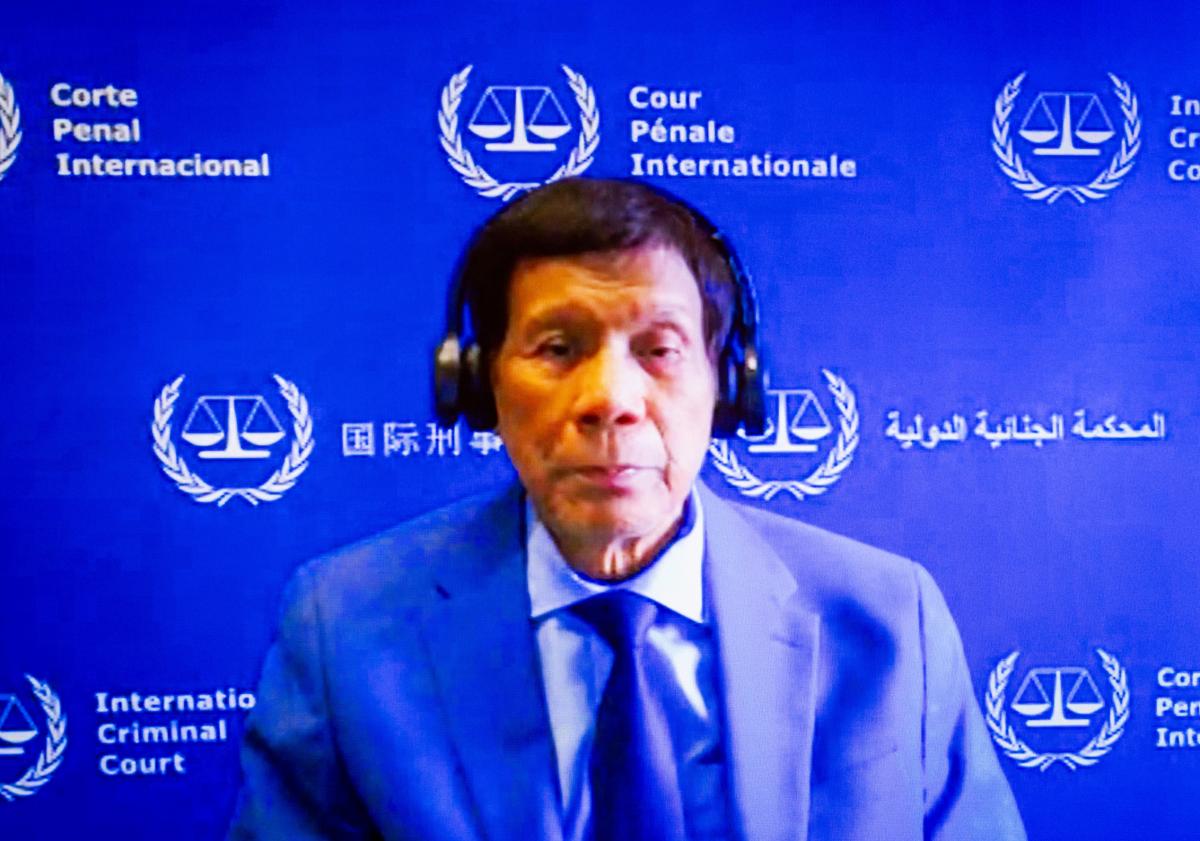
A panel of medical experts unanimously” believed former President Rodrigo Duterte “fit to participate” in the International Criminal Court’s (ICC) pre-trial proceedings, including confirmation hearing.
The panel, composed of independent and qualified experts, was earlier appointed by the Pre-Trial Chamber I to assess Duterte’s fitness as his camp asserts that he is not fit to stand trial due to cognitive impairment.
According to a court document released on Dec. 18, three different physicians interviewed, examined, and assessed the former chief executive from Oct. 8 to Nov. 18.
“Upon completion of their assessments, panel members individually reached the same overall conclusion that, while frail and elderly, Mr Duterte nevertheless possesses the necessary capacities to meaningfully exercise his procedural and fair trial rights,” it read.
Each of the panel members independently concluded that Duterte can understand his charges, evidence and the purpose of pre-trial proceedings, as well as instruct his counsel to prepare his defense.
“These findings are clear and unanimous, and should be relied upon the Chamber as authoritative, to determine that Mr. Duterte is fit to stand trial,” it read.
Duterte’s camp, meanwhile, asked the Pre-Trial Chamber to seek further clarification before issuing its decision on the matter, citing “inconsistencies” by which each member of the panel reached their conclusions.
“While the experts pronounce on Mr. Duterte’s rudimentary ability to engage in a criminal process, it is not clear what they actually know, if at all, about the complex nature of confirmation proceedings at the ICC, which require a suspect to be familiar, through his defence, with thousands of items of evidence comprising an investigation dating back more than four years,” said Duterte’s counsel, Nicholas Kaufman.
“For this reason, the Defence seeks an evidentiary hearing whereby the parties will be able to clarify the conclusions of the experts, the reasons for such conclusions, the methodology adopted during the interviews, and the means whereby instructions were communicated to them,” he added.

