
By Ruth Abbey Gita-Carlos | Philippine News Agency
President Ferdinand R. Marcos Jr. spent the past week bringing government programs closer to communities, aiming to improve access to public services, enhance cooperation between national and local governments, and deliver immediate impact to Filipinos.
As the country grapples with the global challenges triggered by the ongoing tensions in the Middle East, the President stepped up government efforts by strengthening ongoing initiatives to ensure food security, stabilize energy supply, and provide more jobs and opportunities.
Marcos continued to visit various parts of the country to ensure aid reaches communities while empowering local governments to respond to the specific needs of their constituents.
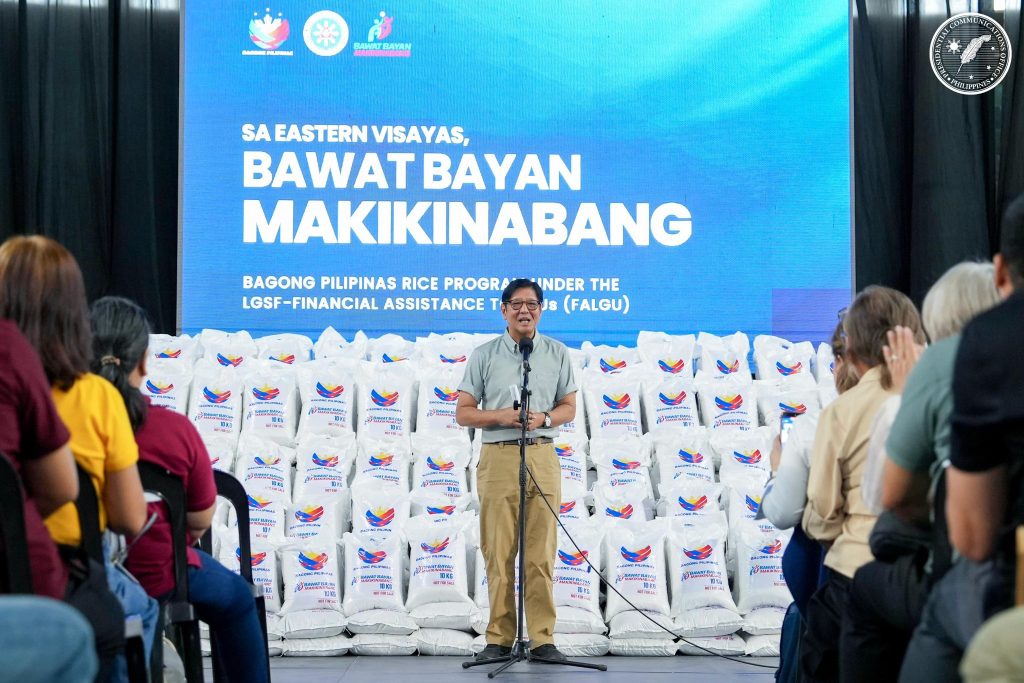
On April 27, he spearheaded the distribution of subsidized rice to 500 beneficiaries from vulnerable sectors, as part of the government’s push to cushion the impact of rising food and fuel costs.
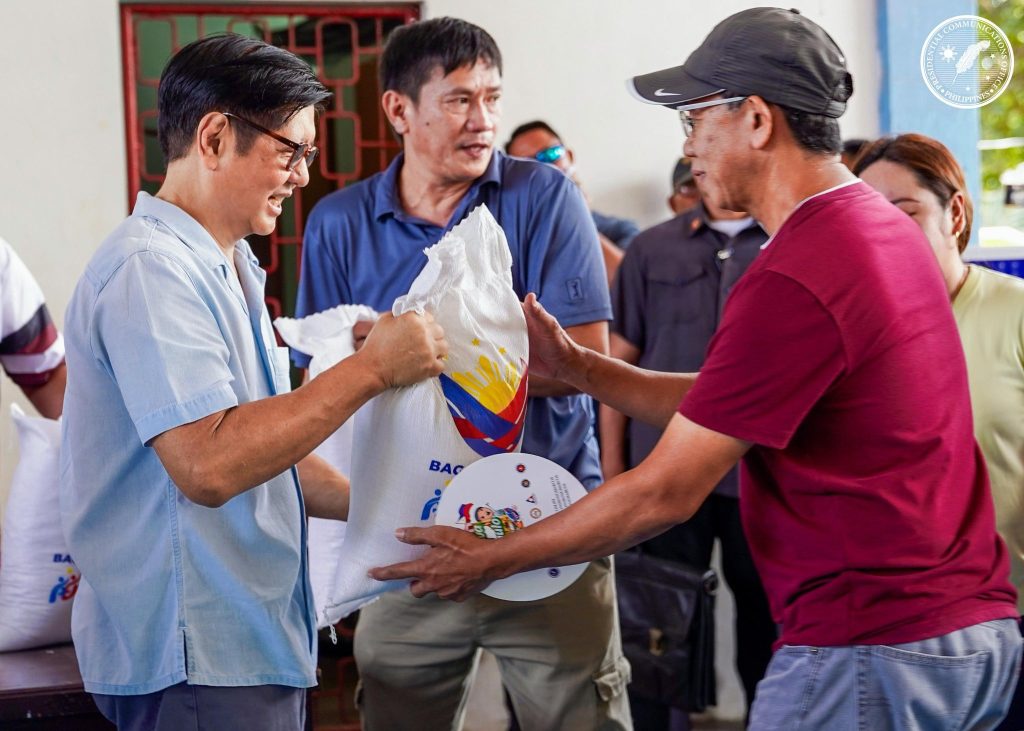
The program benefited 300 farmers and 200 others from multi-sectoral groups, including persons with disabilities, and solo parents.
The initiative, coursed through the Local Government Support Fund (LGSF), also aims to enable local government units (LGUs) to directly assist qualified beneficiaries, with P200,000 in financial assistance provided per village.
A similar effort was rolled out in Tacloban City and Samar on April 30, where families received rice assistance and financial support per village for socio-civic projects funded through the LGSF.
Marcos Jr. also visited General Santos City on Friday to deliver the same assistance to beneficiaries from the city and Sarangani province.
He convened the Unified Package for Livelihoods, Industry, Food, and Transport (UPLIFT) Committee on April 28 for its fifth meeting to discuss measures aimed at enhancing fiscal flexibility and ensuring a stable supply of fuel and basic commodities amid global uncertainties.
One of the proposals was the immediate passage of an UPLIFT bill.
An UPLIFT microsite, featuring government programs, was also launched to ensure transparency and accountability as the administration intensified its efforts to mitigate the impact of the Middle East crisis on the country.
More jobs and opportunities
Marking the 124th Labor Day celebration on Friday, Marcos led the launch of simultaneous job fairs nationwide at the KCC Convention and Events Center in General Santos City, offering thousands of employment opportunities.
The events feature a one-stop shop that brings together government agencies providing employment facilitation, skills training, healthcare services, and pre-employment—all in one venue to streamline access for job seekers.
In his message, Marcos emphasized the administration’s continuing efforts to attract investments and generate jobs, citing approved investments expected to create about 150,000 employment opportunities nationwide.
Government data showed that from July 2022 to Feb. 2026, more than 6,600 job fairs have been held nationwide, resulting in the hiring of at least 1.5 million job seekers, including more than 250,000 hired on the spot.
Marcos said ongoing job fairs across the country are part of a broader strategy to connect Filipinos to available work and improve job quality.
Stronger support for farmers
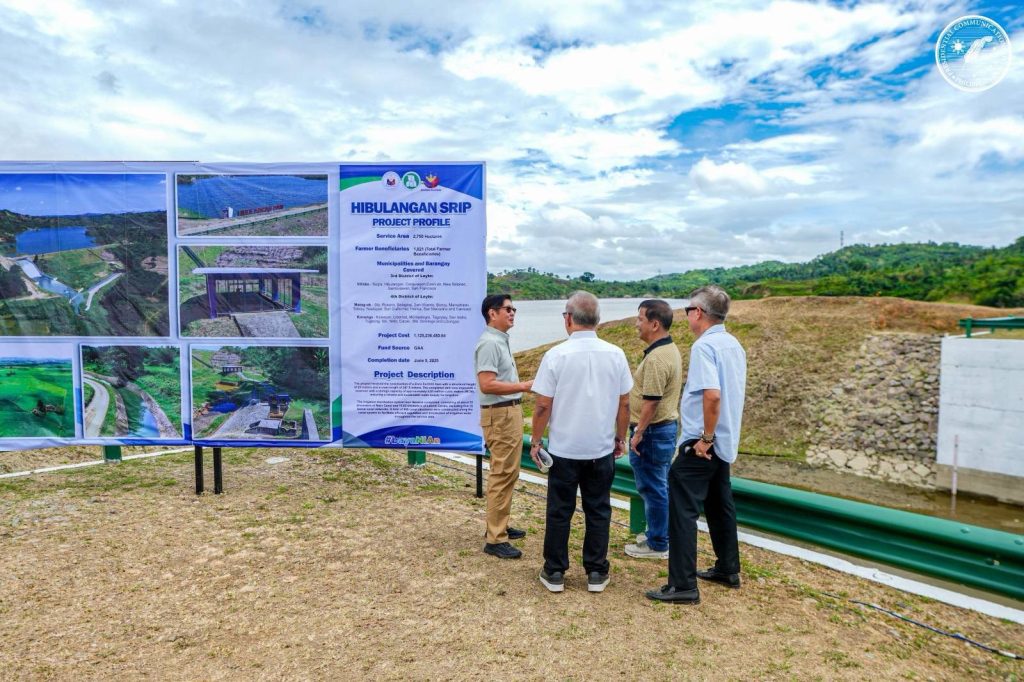
In Leyte, Marcos inaugurated on April 30 the Hibulangan Small Reservoir Irrigation Project, a major infrastructure initiative designed to improve water supply for about 1,821 farmers from the towns of Villaba, Matag-ob, and Kanaga.
The project is expected to boost agricultural productivity, increase cropping capacity, and raise farmers’ income, while also opening opportunities for eco-tourism and renewable energy development.
It is projected to increase yield per hectare by an estimated 57.39%, translating into higher production and improved income for farmers.
Marcos underscored the importance of equipping farmers with the resources needed to withstand climate challenges and rising production costs, reaffirming their vital role in ensuring food security.
Innovation and partnerships
On April 28, Marcos reaffirmed government support for Filipino inventors during the National Invention Convention and Exhibits Awards at Malacañan Palace in Manila, pledging stronger financial and technical assistance, as well as protection of intellectual property rights.
He also led the first joint meeting of national and regional peace and order councils for the year at Malacañan on April 29 to align strategies aimed at reinforcing a whole-of-government approach to public safety, community resilience, and responsive governance nationwide.
In his engagement with local leaders, Marcos emphasized the LGUs’ critical role in identifying problems and crafting solutions, highlighting the need for stronger coordination between national and local levels.
International cooperation
Diplomatic efforts also took center stage as Marcos welcomed former Japanese prime minister Fumio Kishida at Malacañan on April 30 to discuss energy security and cooperation under the Asia Zero Emission Community (AZEC) framework.
Marcos underscored the importance of sustained cooperation with Japan amid global energy uncertainty driven by geopolitical tensions in the Middle East.
The meeting highlighted the Philippines’ commitment to strengthening international partnerships, particularly in addressing global energy and accelerating the transition to renewable energy.
Meanwhile, the President summoned French Ambassador to the Philippines Marie Fantonel and Czech Republic Chargé d’Affaires Eva Tenzin on April 29 to seek clarification on the case of fugitive former lawmaker Zaldy Co.
Co, implicated in the anomalous flood control projects, was detained in the Czech Republic due to invalid travel documents.
He was later released and is currently in France seeking political asylum due to alleged political persecution, a claim the Palace has denied.
This week’s activities reflect the Marcos Jr. administration’s continuing efforts to make government services more accessible, responsive, and attuned to the Filipinos’ needs while laying the groundwork for long-term development.

