

By Dean Aubrey Caratiquet
“Aking inay, ikaw ang nagbigay ng buhay ko”
We all know this phrase from that one OPM song born in the late 1990s that perfectly captures the imagery of what mothers and maternal figures continue to represent, stretching beyond generations and the intangible boundaries of time and space.
Whatever we may call them (mama/ma, nanay/nay, mom/mommy, inay), at the end of the day, it does not diminish the amount of fervor and emotional affection that we give to the most important feminine figures in our lives.
Our mothers’ journeys began the moment they carried and nurtured us within their wombs for 9 months, eventually becoming among the first people to show us the sights, sounds, and colors of this wonderful world.
This momentum carries on throughout our childhood—with fond memories of them cooking our favorite food, encouraging us to touch grass and play with other kids outside, preparing milk that we sip in feeding bottles, reminding us to take those afternoon naps, and keeping us fresh after a long day at school or playing outside.
Of course, one could not forget the indispensable wisdom that our mothers would teach us, with them selflessly imparting knowledge, life skills, and advice that supplement and complement the learnings we muster within the four walls of the classroom.
And during the adolescent stage, where boys and girls undergo the transitionary phase between childhood and adulthood, mothers serve as a guiding light that enables their sons and/or daughters to navigate various changes in their bodies, well-being, and social interactions.
No wonder these maternal figures—which also include our aunts (titas) and grandmothers (lolas)—are often referred to in Philippine culture as the light of the household (ilaw ng tahanan).

A light that cuts through the darkness
In those times when we seem to lose the sense of direction in our lives or have gone astray, our mothers serve as the figurative lighthouse that shines a beacon on where we should go, serving as the moral compass that keeps us on the right path.
Their array of roles does not end with them illuminating the household and our lives, as well as being our ‘first teacher’—their courage and guidance continue to guide us even beyond the academe during the transition to the ‘real world’ and the various aspects of adulting that come with it.
It is during this phase that we were able to look back at our childhood and adolescence to recognize just how indispensable our mothers have become, not just as biological parents, but as a mentor, an ally, and a friend since we can remember.
After all, they are the ones who store vivid memories of the numerous first milestones in our lives—from the first steps, first words to utter, first academic achievements, to the first heartbreak, first career milestone and finally, the first time when we were able to hold our own in the real world, among many other examples.
They are essentially living witnesses to how we grow and develop as individuals, always fondly reminiscing and cherishing the precious moments that we spend together with them, be it through an intimate hangout or an extravagant activity.
Moreover, they offer a genuine insight into the inner workings of womanhood, providing us with a lens through which they disrupt preconceived notions imposed by society and proving that their prowess is not confined to household chores and office cubicles alone.
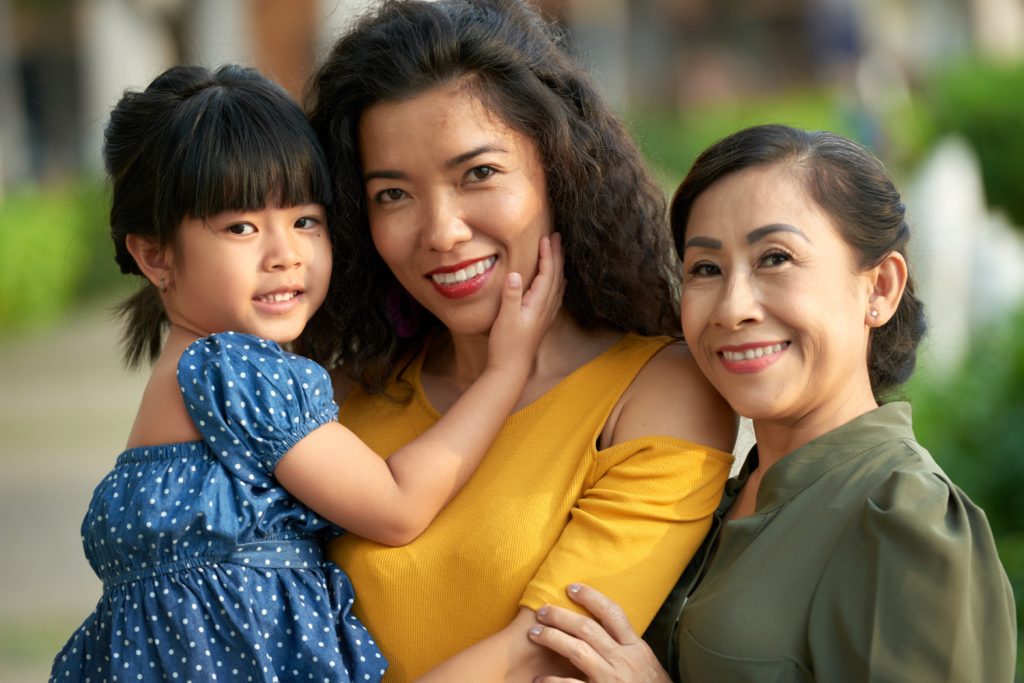
Honoring the maternal figures in our lives
Truly, their countless immeasurable sacrifices are more than worthy of an annual celebration that pays homage to our mothers, who serve as a source of inspiration, life, and beauty.
But with that in mind, may the sense of protection and care that they provide encourage us not to confine the observance of Mother’s Day to a once-in-365-days occurrence, for even a thousand words are not enough to define motherhood in a nutshell.
Primarily conceived as a holiday, the modern iteration of this event all began through the efforts of American social activist Anna Jarvis, who sought to dedicate a day that memorializes both living and deceased mothers.
As years went on, this celebration expanded to also include grandmothers and aunts, who also play mothering roles in our lives.
The very first celebration of Mother’s Day began with a service held at the church of Jarvis’ late mother in Grafton, West Virginia on May 10, 1908. Other states soon joined in this observance, which snowballed until 1914 when U.S. President Woodrow Wilson made it a national holiday.
Over time, other countries began to adopt this festivity that honors mothers, who serve as a tome of knowledge and a fountain of nourishment for the mind, heart, and soul.
And on that note, may this occasion inspire us to bask in the love of the maternal figures in our lives and the graces that they gave us along the way.
-avds/jpv

