
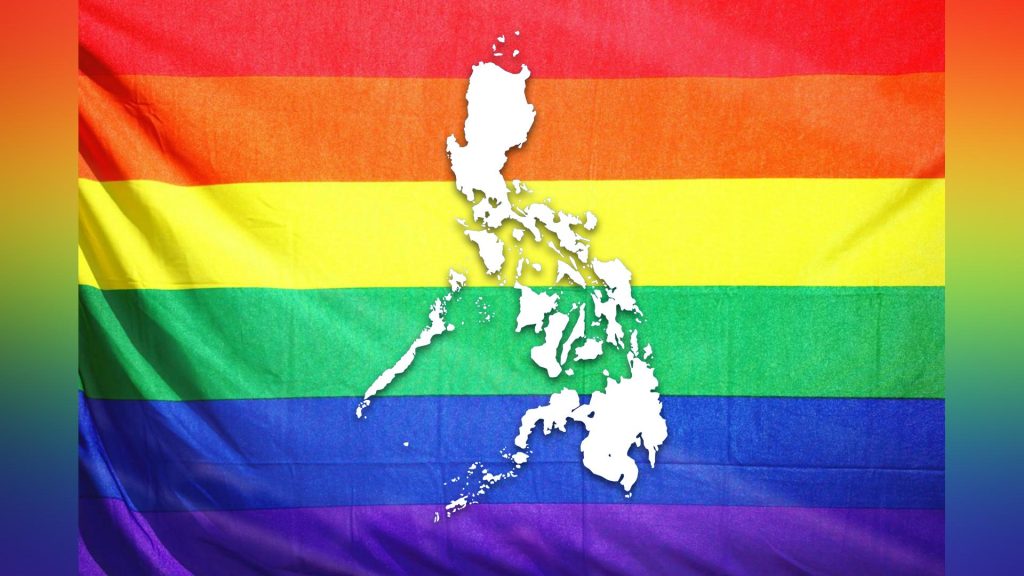
*This is the second half of a two-part feature covering the nuances of celebrating Pride Month, which focuses on how its momentum carries on in the Philippines.*
By Dean Aubrey Caratiquet
Reflecting the global impact of the Stonewall Riots and the ensuing Gay Pride Parade, the Philippines also followed in the footsteps of the LGBT movement that bore fruit in the United States 25 years earlier.
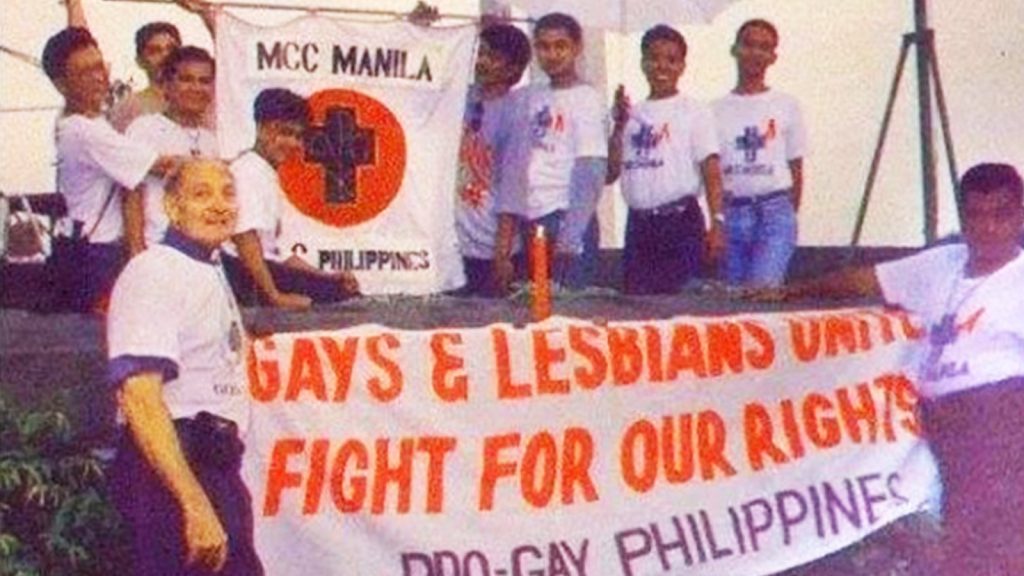
On June 26, 1994, around 50-60 members of Progressive Organization of Gays and the Metropolitan Community Church Philippines organized a march in Quezon City that championed inclusivity—an unprecedented feat in a Catholic-majority nation.
The event, dubbed the Stonewall Manila, also doubled as a protest against the “pro-capitalist” and “anti-people” policies of the state during that time, which underscored the struggles faced by both the LGBTQ and the common Filipino folk.
Among the pressing issues brought into focus by the demonstration were an increase in Value Added Tax, oil price increase, demolition of homes, tuition hike, poor health system, and the loss of job opportunities.
Hailed as the first ever Pride March in Asia, the grassroots movement may not have the same impact as those made overseas, yet all is not lost as the renewed push in the quest towards inclusivity continues to make small but notable strides in carrying this advocacy forward.
Ways forward
Six years after the 1994 movement, lawmakers pushed for the passage of the Anti-Discrimination Bill in 2000, acknowledging the voices of the gays and lesbians in the Philippines and their stance against unfair treatment and exclusionary policies.
Later versions and revisions of this Bill culminated in what is called today as the Sexual Orientation, Gender Identity or Expression, or Sex Characteristics (SOGIESC, better known as SOGIE Bill)—a proposed legislation that honors the rights of the LGBTQIA+ community.
The SOGIE Bill also seeks to harden measures against the discrimination of the lesbian, gay, bisexual, transgender, queer or questioning, intersex, asexual, and more, in respect of the diverse range of sexual orientations and gender identities.
While the passage of this legislatory framework on gender equality has repeatedly stalled due to lingering misconceptions, dominant religious and social constructs, and parliamentary obstacles, it has not in any way dampened the momentum of the non-binary movement.
This is evident in the localized efforts of some local government units (LGUs), academic institutions, and non-profit organizations, who have established some facilities that look after the welfare of the LGBTQIA+ community, such as the following:
- Bahay Kanlungan, Quezon City (LGU-operated institutional crisis center)
- Espasyo Community Center, Batangas City (Dedicated community center for queer individuals and couples)
- UP Babaylan Center, Quezon City (Physical hub for queer networking and safe congregation)
- Love Yourself Inc. Hubs (clinics in NCR and major provinces that look after the overall health of non-binary individuals)
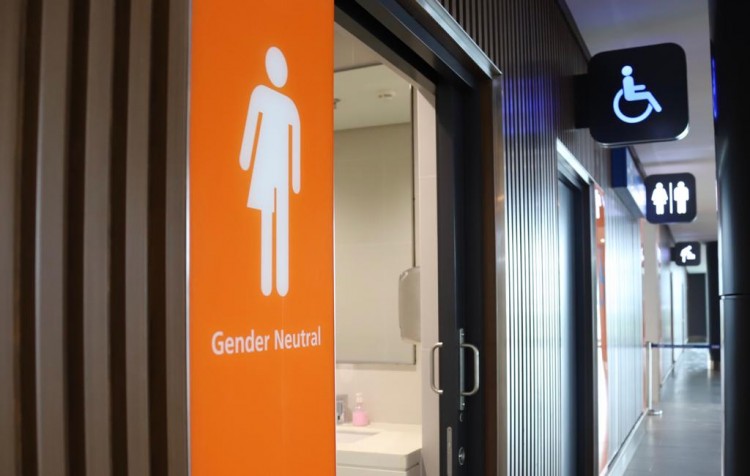
All-gender or gender-neutral restrooms were also being put up by academic institutions such as Ateneo de Davao and Pangasinan State University; progressive LGUs like Quezon City and San Juan City; and some major mall operators in the country.
Complementing these efforts is the introduction of the Right to Care Card, which operates through a Special Power of Attorney (SPA) and gives cardholders the option to agree, refuse, or withdraw consent for any type of medical care for their partners, including treatment, procedures, tests, and prescriptions.
Pioneered by the Quezon City LGU in 2023, San Juan City followed through with this initiative in 2025, and more recently, in 2026, other locales like Cavite, Cebu, Iloilo City, Biñan, Laguna, and Parañaque City joined the fray by enacting their respective ‘right to care’ ordinances.
Other LGUs, such as San Pedro in Laguna, Baguio City, Pasig City, and Makati City were also eyeing to back the queer-couple centric policy that bore fruit in the National Capital Region.
While the decades-long stalemate that keeps the SOGIE Bill collecting dust in the archives continues, one must not forget that the essence of humanity lies in the equality that is being championed by the LGBTQIA+ community.
And on that note, may everyone learn to embrace diversity, champion inclusiveness, and push back against inequality in the society and in the diaspora, imbibing in them the hard-fought advocacy of the non-binary individuals that define what it truly means to annually celebrate Pride Month.

Learn more about the first half of this two-part feature: https://ptvnews.ph/pride-month-and-the-colorful-history-of-championing-gender-equality/
avds

