
By Dean Aubrey Caratiquet
With geopolitical developments in the Middle East seeing no end in sight, countries that rely on this region to supply them with petroleum products and other important commodities like the Philippines continue to be affected by volatile oil prices.
The rise of this unexpected phenomenon has led to an increase in commuters who made the switch from relying on cars for personal transportation to exploring alternatives such as bicycles, scooters, and public transportation.
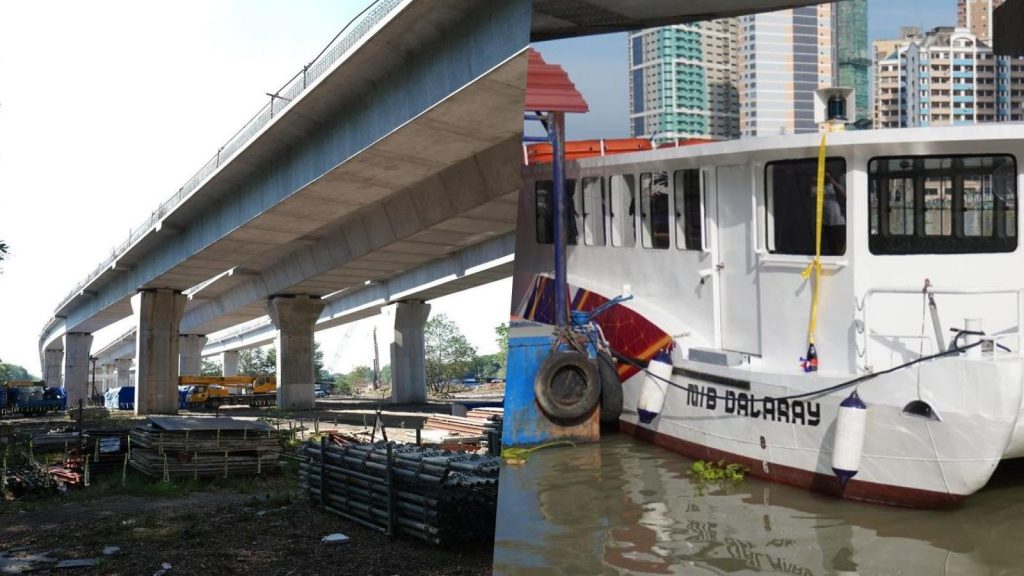
The shift in Filipinos’ preferred modes of mobility has not gone unnoticed by the government, as the Department of Transportation (DOTr) doubled down on fast-tracking major projects such as the North-South Commuter Railway (NSCR) that links New Clark City, Tarlac and Calamba, Laguna; and the Metro Rail Transit 7 (MRT-7), which connects Quezon City with San Jose del Monte City, Bulacan.
With the enactment of the Accelerated and Reformed Right of Way Act, the construction of both railway projects remains on track and is slated to begin operations before the end of the Marcos Jr. administration in 2028.
Together in electric dreams
In his 5th State of the Nation Address (SONA) on Monday, President Ferdinand R. Marcos Jr. shared the significant measures enacted by the government to accelerate the transition away from fossil fuels, which was made even more important by the Middle East crisis.
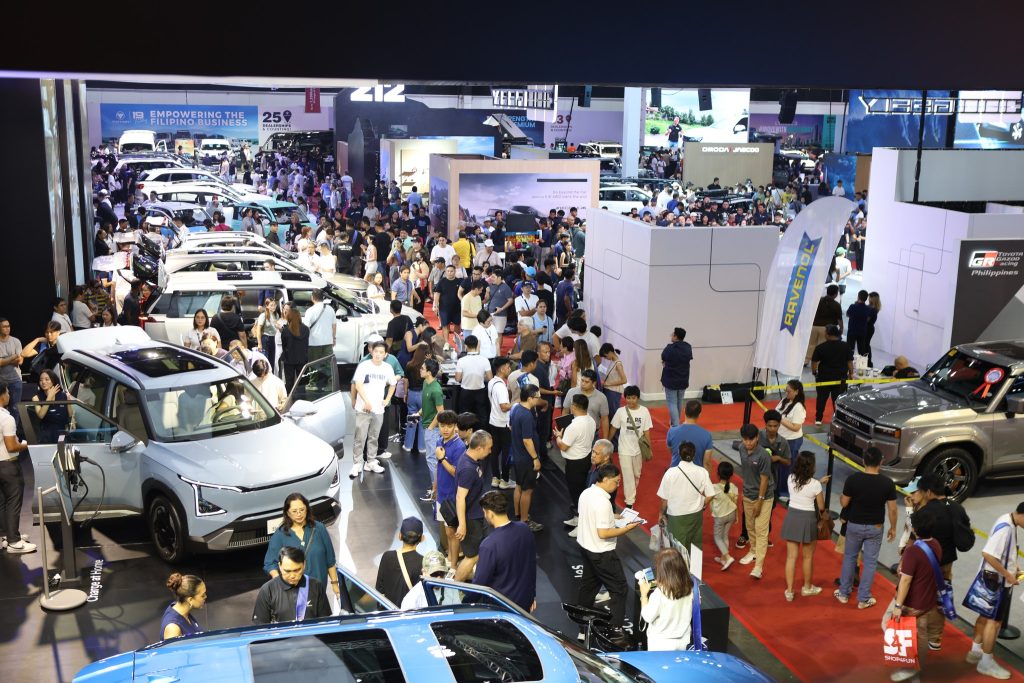
Until 2028, buyers of electric vehicles (EVs) continue to reap the benefits of not having any tariffs imposed on their purchases, with the government beginning to prioritize EVs in their refleeting plans and in transport initiatives such as the Love Bus.
One noteworthy example of this sustainable shift in mobility set sail in the waters of Pasig River in October 2025, with M/B Dalaray settling into the duty of ferrying passengers from Pinagbuhatan, Pasig to Escolta, Manila and vice versa.
The Philippine-made vessel, a byproduct of the collaboration between the University of the Philippines (UP) and the Department of Science and Technology (DOST), showcases the innate craftsmanship and scientific excellence of Filipinos that may one day pave the way for the future of eco-friendly transportation in the country.
Touching down on infrastructure
President Marcos Jr. meanwhile announced that the operations of the Cebu Bus Rapid Transit Phase 1 has begun, with a similar initiative in Ilocos Norte set to roll in 2028.
Nearly 17,000 motorists are also expected to benefit from the opening of the South Luzon Expressway-Toll Road 4 which links Sto. Tomas City, Batangas and Tiaong, Quezon.
Damaged bridges such as San Juanico in Eastern Visayas; Cabagan-Sta. Maria in Isabela; Piggatan in Cagayan; Calbiga and Liloan in Samar; and Panul-iran in Iligan were promptly repaired and are now carrying people and goods across expansive bodies of water.
On the aspect of disaster response and disaster-resilient infrastructure, the Chief Executive noted the completion of 137 evacuation centers nationwide, with Ligtas Pinoy Centers expected to rise in disaster-prone areas such as Bicol, Eastern Samar, Bukidnon, at Davao de Oro.
These infrastructures are designed to withstand super-typhoons with up to 340 kph wind speeds, and tremors as strong as magnitude 8.4, which aligns with the agenda of making amendments to the National Building Code to ensure that upcoming public and private structures benefit from up-to-date and world class standards.
jpv

