
By Dean Aubrey Caratiquet
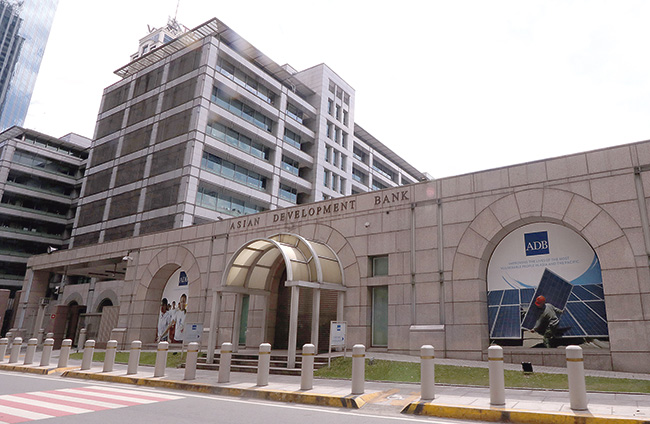
As a response to the global repercussions of the ongoing conflict in the Middle East, the Asian Development Bank (ADB) said that it will lay out key interventions to help member states navigate these challenging circumstances.
In a media release on Tuesday, the ADB announced a financial support package to cushion the various impacts of this regional development on economies in Asia and the Pacific.
ADB President Masato Kanda said in a statement, “ADB will deliver rapid, flexible, and scalable assistance to help countries manage immediate pressures and strengthen long-term resilience, notably fast-disbursing budget support and trade and supply chain finance to secure the import of essential goods, now including oil.”
The Bank moreover, said that it is closely monitoring developments in the global market, specifically focusing on how it can tailor this assistance to address volatile energy prices and inflationary pressures.
Developments in the Middle East have already disrupted shipping routes, particularly the Strait of Hormuz that serves as a primary channel for goods coming to and from the Gulf states.
This has led to raised concerns about the sufficiency of supplies of petroleum products and other derivatives such as petrochemicals and fertilizers, which may also affect agriculture and food production in other nations.
The ADB meanwhile, said that it will also deploy timely support for affected economies, comprised of two primary components:
- Fast-tracked disbursement of budget support to help nations facing heightened fiscal pressures
- ADB’s Trade and Supply Chain Finance Program (TSCFP), which would help to boost support for critical commodities like energy and food
As of press time, ADB is already in talks with countries severely affected by the Middle East crisis, and is working closely with governments, development partners, and the private sector to coordinate efforts and improve the effectiveness of responses to protect the most vulnerable.
jpv

