
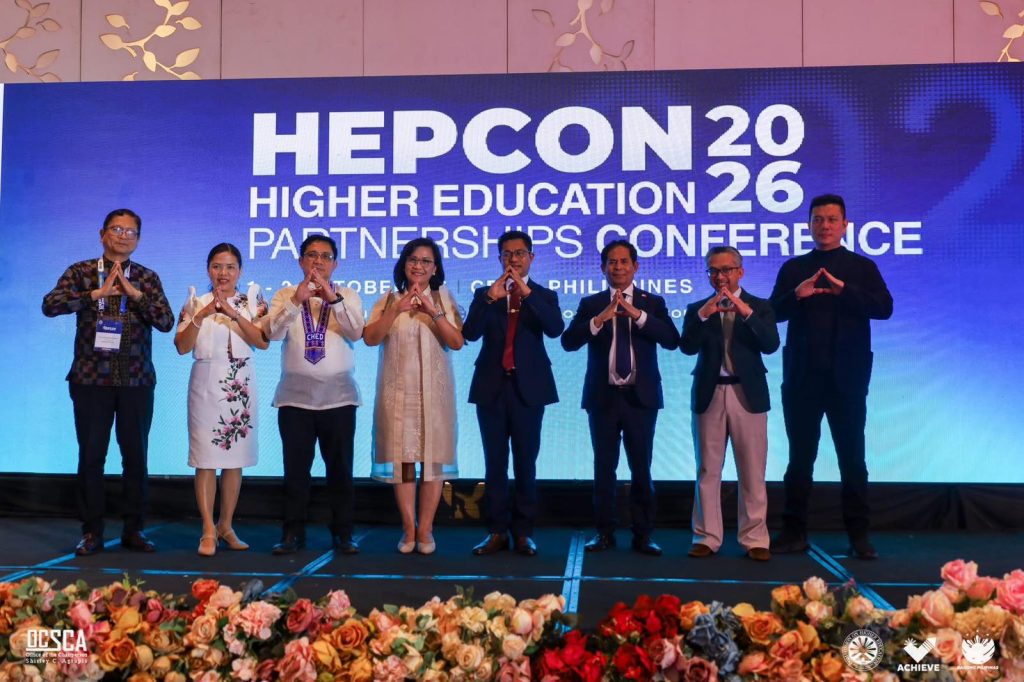
A total of 159 Philippine higher education institutions (HEIs) are connecting with higher education partners from 13 other countries at the Higher Education Partnerships Conference (HEPCON) 2026 from Oct. 1-2, as the Commission on Higher Education (CHED) works to expand international cooperation that creates concrete opportunities for Filipino students, faculty, researchers, and institutions.
The two-day conference brings together Philippine and international higher education institutions to explore cooperation in student and faculty mobility, international research collaboration, artificial intelligence and robotics, future skills, and the future of ASEAN higher education.
Under President Ferdinand R. Marcos Jr.’s education agenda, CHED is expanding scholarship opportunities and strengthening pathways from higher education to employment. Through technical assistance and international cooperation, CHED helps Philippine HEIs forge partnerships with foreign institutions that can widen student mobility, scholarships, skills development, and career opportunities.
Philippine higher education already has a growing global footprint, with 326 Philippine HEIs maintaining 4,951 linkages with 2,479 foreign partners across 116 countries. CHED is pushing for these connections to move beyond agreements and networks toward partnerships that deliver concrete outcomes for learners and institutions.
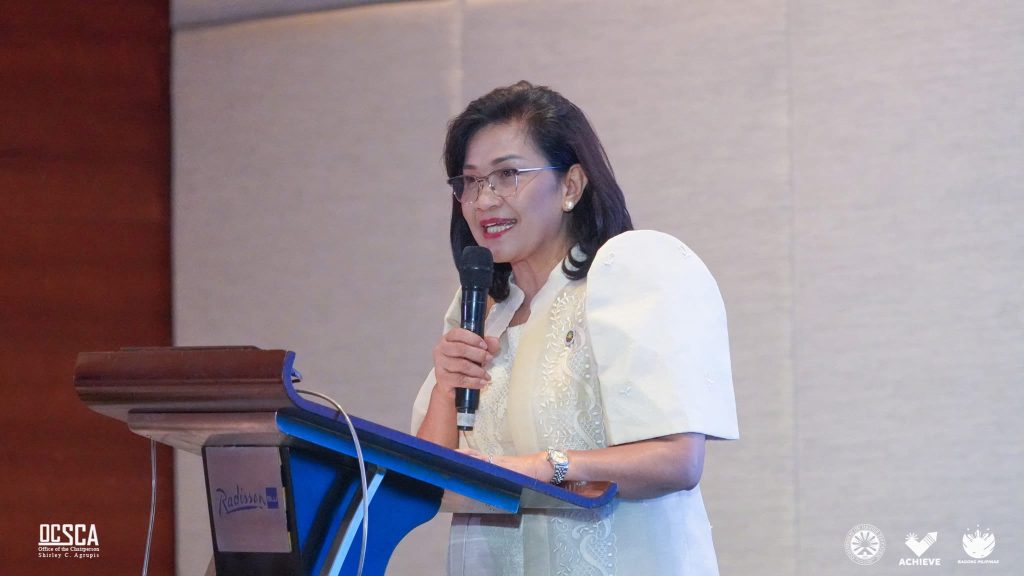
“We are not here simply to add more connections to an already extensive map. We are here to make those connections more purposeful, more active, and more productive,” CHED Chairperson Shirley Agrupis said in her opening keynote.
Through HEPCON 2026, participating institutions are meeting potential partners to develop collaborative research, joint academic programs, student and faculty exchanges, shared expertise, and other programs and projects that can strengthen institutions and expand international academic opportunities for Filipino learners.
The conference also features exhibition spaces where participating institutions and education partners can showcase programs, explore potential collaborations, and engage with delegates throughout the two-day event.
Chairperson Agrupis said meaningful partnerships should expand opportunities for inbound and outbound academic mobility, facilitate the recognition of qualifications across countries, connect researchers with collaborators, strengthen institutional expertise, and bring university innovations closer to industry and communities.
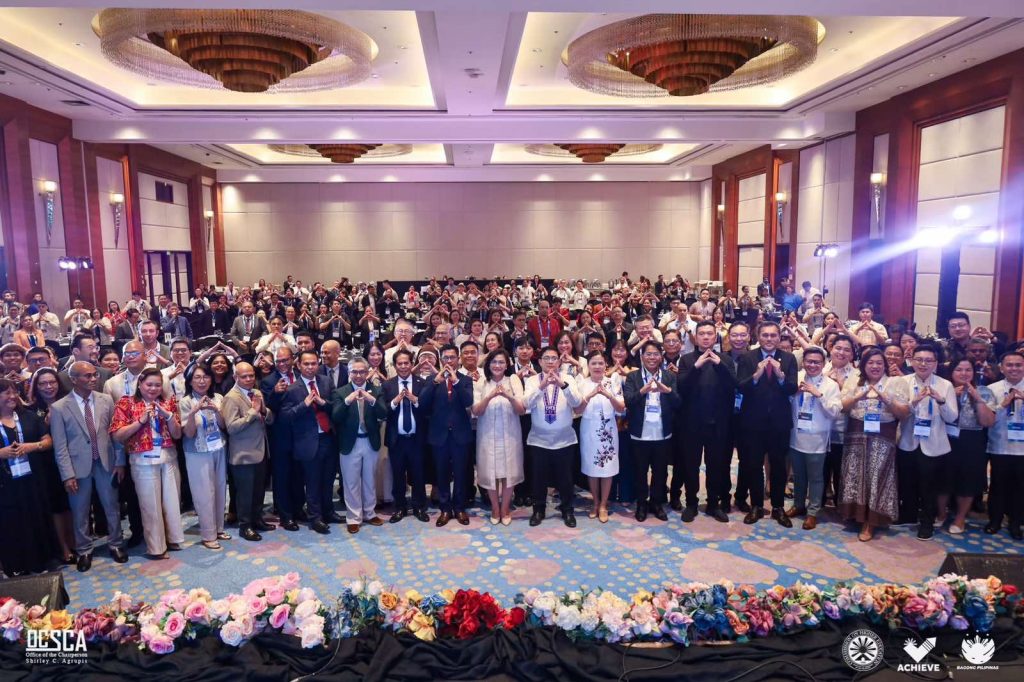
As host of HEPCON 2026 in the Philippines, CHED is helping Philippine HEIs build new partnerships, deepen existing cooperation, and translate international connections into programs that respond to the needs of students, faculty, researchers, and communities.
HEPCON 2026 also supports the broader direction of Education Philippines (EduPhil), established under Executive Order No. 124, s. 2026, which strengthens the country’s approach to international education, academic cooperation, research collaboration, and global partnerships.
These efforts are part of CHED’s push for a more connected and collaborative Philippine higher education system, where international partnerships strengthen institutions, expand academic and research opportunities, and create more pathways for Filipino learners to gain knowledge, skills, and experience across borders. (PR)

