
Malacañang has directed government agencies and local government units (LGUs) to intensify preparations for a stronger El Niño to ensure adequate supplies of water, food, and electricity while protecting the livelihood and health of Filipinos.
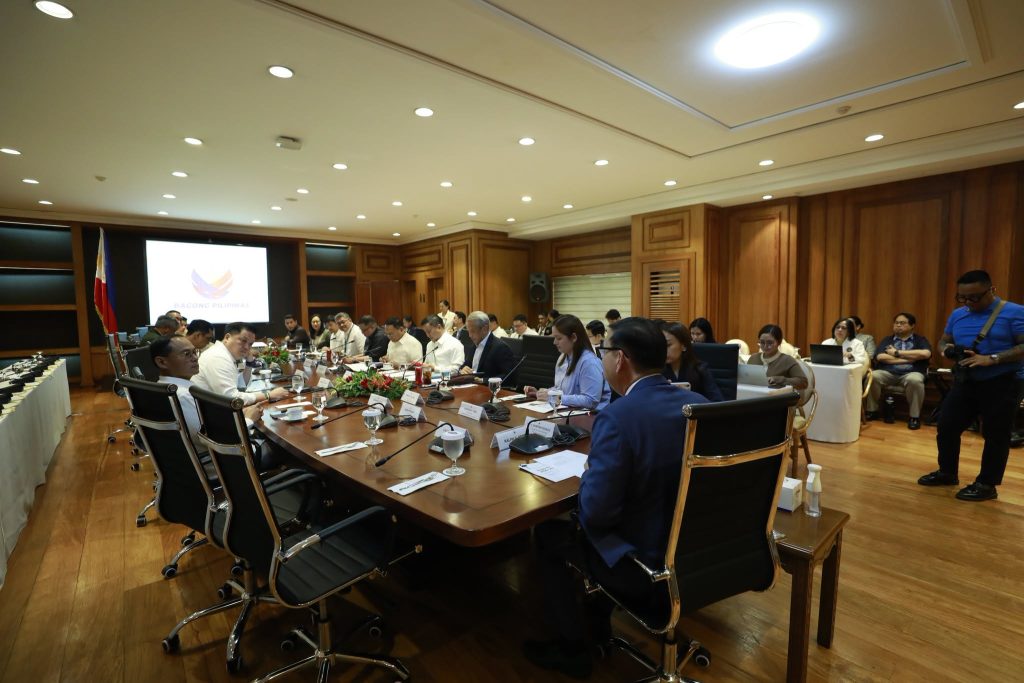
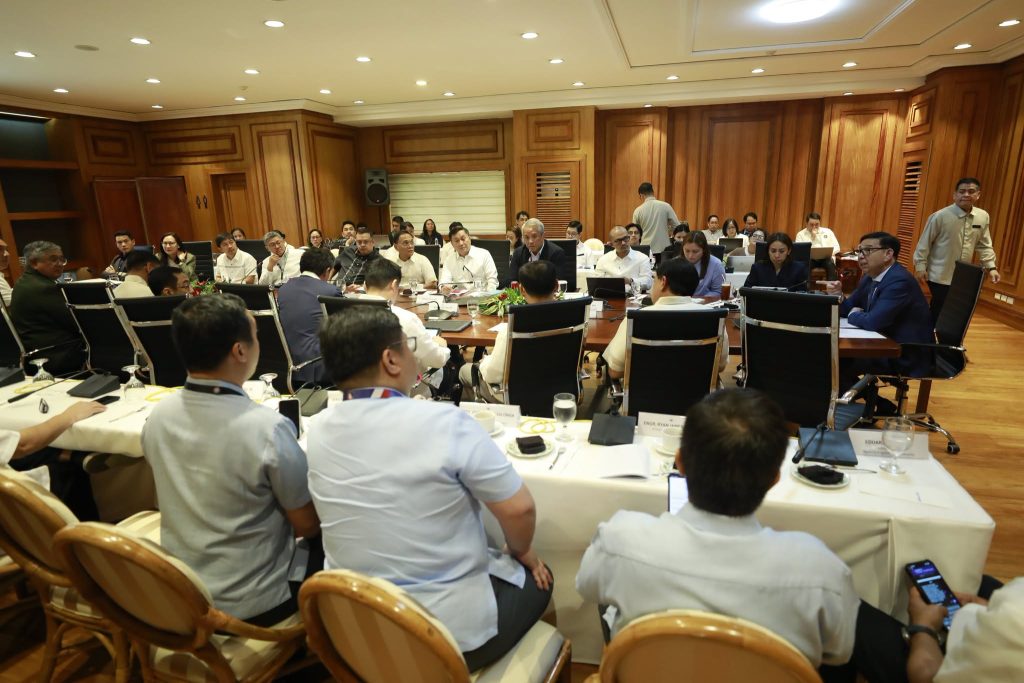
Acting on the directive of President Ferdinand R. Marcos Jr., Executive Secretary Ralph Recto presided over a meeting with key government agencies and local officials on Wednesday to assess the country’s readiness ahead of the anticipated strong El Niño in January 2027.
During the meeting, Exec. Sec. Recto emphasized the need to prioritize communities that are most vulnerable to water shortages, extreme heat, agricultural losses, and possible power supply disruptions.
“Mararamdaman ang El Niño sa buong bansa, pero iba-iba ang magiging epekto nito sa bawat lugar. May komunidad na ang pangunahing problema sa tubig. Sa iba, kuryente o matinding init,” Recto said, as quoted by the Office of the Executive Secretary (OES) in a news release on Friday.
“Kaya dapat alam natin kung sino ang pinakananganganib at anong tulong ang kailangan nila,” he added.
Recto directed government agencies to map out areas that could experience water shortages and extreme heat to determine where assistance and equipment should be prioritized.
The OES noted that Pampanga and Cavite, which could have limited water supply, are among the areas being closely monitored.
Recto instructed LGUs to identify the specific needs of their respective jurisdictions, including generators, solar power systems, and water shortage facilities.
He also raised the need to review the priorities under the Local Government Support Fund (LGSF) to help LGUs finance their EL Niño preparedness measures.
Adequate water, power supply
The Metropolitan Waterworks and Sewerage System, meanwhile, assured the public that water supply remains sufficient, with Angat Dam’s water level reaching 208.70 meters as of Nov. 3, above its minimum operating level of 180 meters.
The OES said the government is ready to prevent possible water shortages through careful management of dam resources, identification of alternative water sources, and strengthened water conservation programs.
Malacañang is also encouraging private companies to help develop water supply systems in communities near their areas of operation.
Meanwhile, the Department of Health (DOH) offered assistance to LGUs in testing alternative water sources to ensure that these are safe for drinking.
For the power sector, the Department of Energy is intensifying power plant maintenance, expediting permit processing, and ensuring sufficient reserves of fuel and other energy resources.
The OES said the government is also expanding battery storage systems and promoting energy conservation measures to ensure a stable electricity supply, particularly for hospitals, schools, and water facilities during periods of extreme heat.
Protecting farmers, students, workers
The Department of Agriculture likewise assured that the country’s food supply remains sufficient, adding that monitoring of the prices of basic commodities, particularly rice, continues.
Preparations include expanding solar-powered irrigation systems in coordination with the National Irrigation Administration to help farmers sustain agricultural production despite reduced rainfall.
The President directed agencies to expedite the distribution of fuel subsidies to farmers and fisherfolk so they can receive assistance promptly.
The Department of Social Welfare and Development and the Department of Labor and Employment are preparing to provide temporary employment and other forms of assistance to workers and families whose livelihoods may be affected by El Niño.
The government is also strengthening measures to protect students, workers, and other vulnerable sectors from extreme heat.
It is also pursuing programs to provide schools with solar power systems and improve classroom ventilation and cooling facilities.
The DOH will work with LGUs to identify residents who are vulnerable to extreme heat, particularly senior citizens, children, and people with existing health conditions.
Recto emphasized the importance of the whole-of-government approach to identify priority concerns and determine the equipment and resources needed by communities.

