
By Brian Campued
As the country faces the possibility of a prolonged dry season due to El Niño conditions, the Department of Environment and Natural Resources (DENR) has appealed for a coordinated effort to adopt water-saving measures early to reduce strain on the system and help preserve public health.
Environment Secretary Juan Miguel Cuna underscored the importance of practical, short-term measures to help safeguard water supplies for drinking, healthcare, and other essential services while water utilities work to repair infrastructure and help vulnerable communities.
“Early action now will help protect our supply for drinking, healthcare, and essential services while we manage the dry season responsibly and fairly,” Sec. Cuna said in a statement.
“We are asking communities to work with us… Together, we can protect the water people depend on,” he added.
This, as the Philippine Atmospheric, Geophysical, and Astronomical Services Administration (PAGASA) earlier confirmed, is that El Niño conditions have emerged in the tropical Pacific after sea surface temperature anomalies reached the +0.5°C threshold in May, signaling an around 80% probability of a full-blown El Niño event developing in the coming months until early 2027.
During an El Niño event, there is an increased possibility of drier-than-usual conditions, which can lead to droughts and dry spells in some parts of the country.
However, PAGASA clarified that above-normal rainfall conditions may still be experienced over the western section of the country during the southwest monsoon (habagat) season, especially when enhanced by a tropical cyclone.
In its advisory issued Friday, the DENR relaunched water-saving practices used during the 2023–2024 dry spell and called on the public to adopt the following “simple, practical” conservation habits amid the looming El Niño conditions:
- Take short showers;
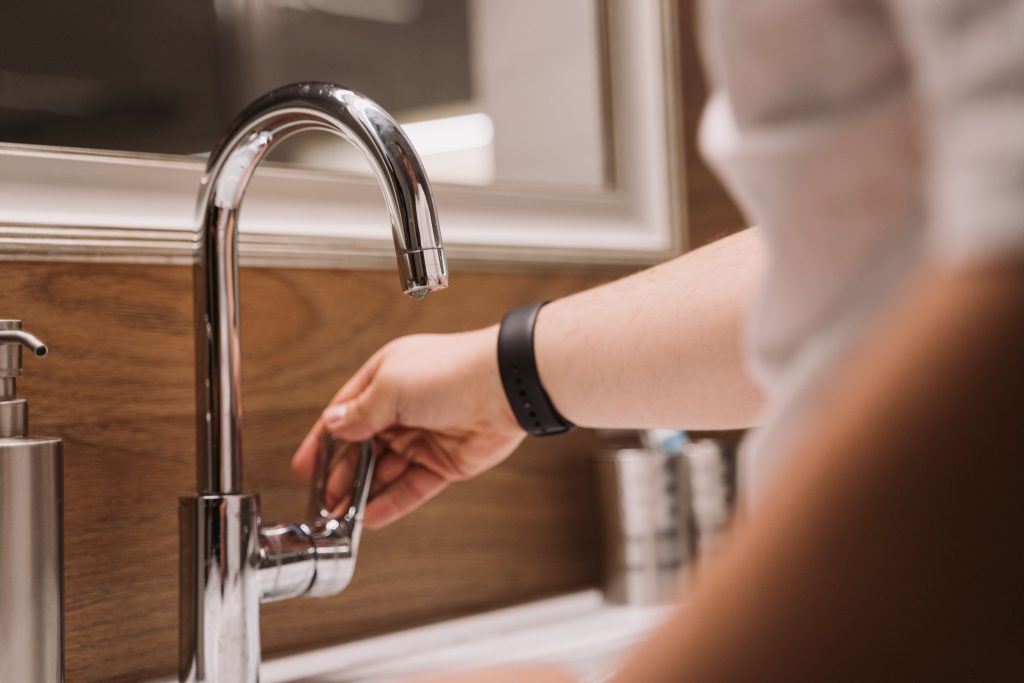
- Turn off taps when not in use to prevent unnecessary use of running water;
- Repair leaks promptly;
- Reuse greywater for flushing and outdoor cleaning when appropriate; and
- Collect rainwater for gardening and cleaning.
However, the agency discouraged non-essential activities, such as car washing, driveway hosing, and private pool refilling, unless required for “health reasons.”
DENR also assured the public that their respective local government units would deploy water trucks and refill stations in areas with the “greatest need.”
Meanwhile, utility providers would intensify pressure management and leak-repair operations to minimize water losses.
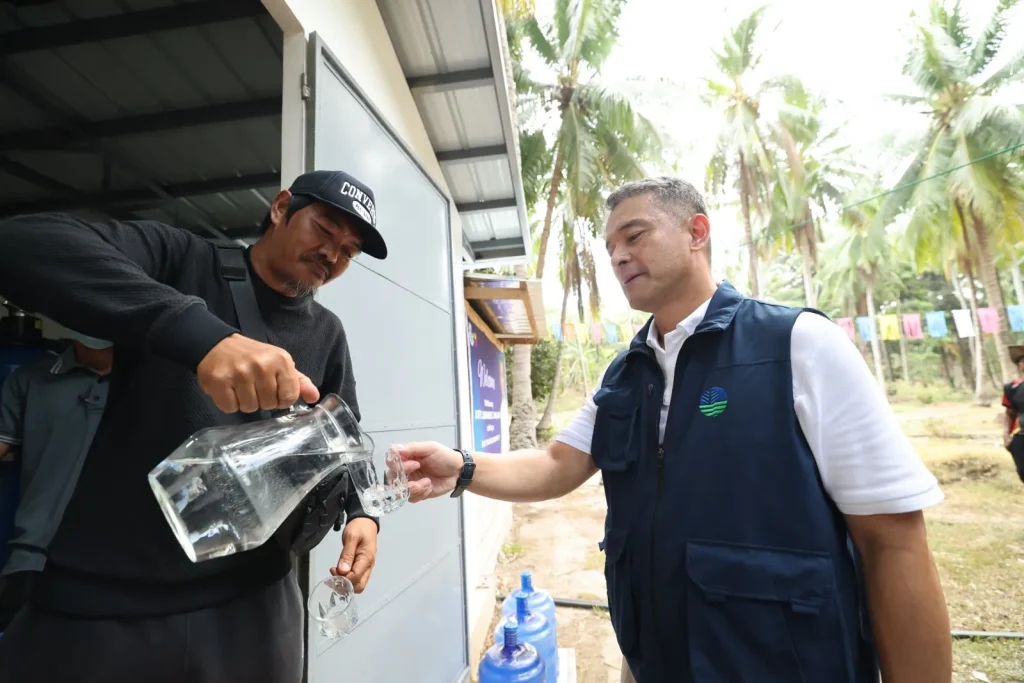
Cuna likewise stressed that potable water would be prioritized for drinking, sanitation, and medical facilities.
To ensure transparency and fairness, the DENR chief said the government will publish allocation criteria and repair schedules while concerned officials pledged to provide weekly updates on reservoir levels, system performance, and relief operations.
Water agencies and local governments were also instructed to submit regular reports to the Water Resources Management Office (WRMO) to support national monitoring.
Aside from calling for water conservation efforts at the household level, the DENR committed to accelerating processing of permits for repair projects, requiring businesses to adopt water conservation plans, and promoting rainwater capture for nonpotable uses whenever possible.
-jpv

