
By Dean Aubrey Caratiquet
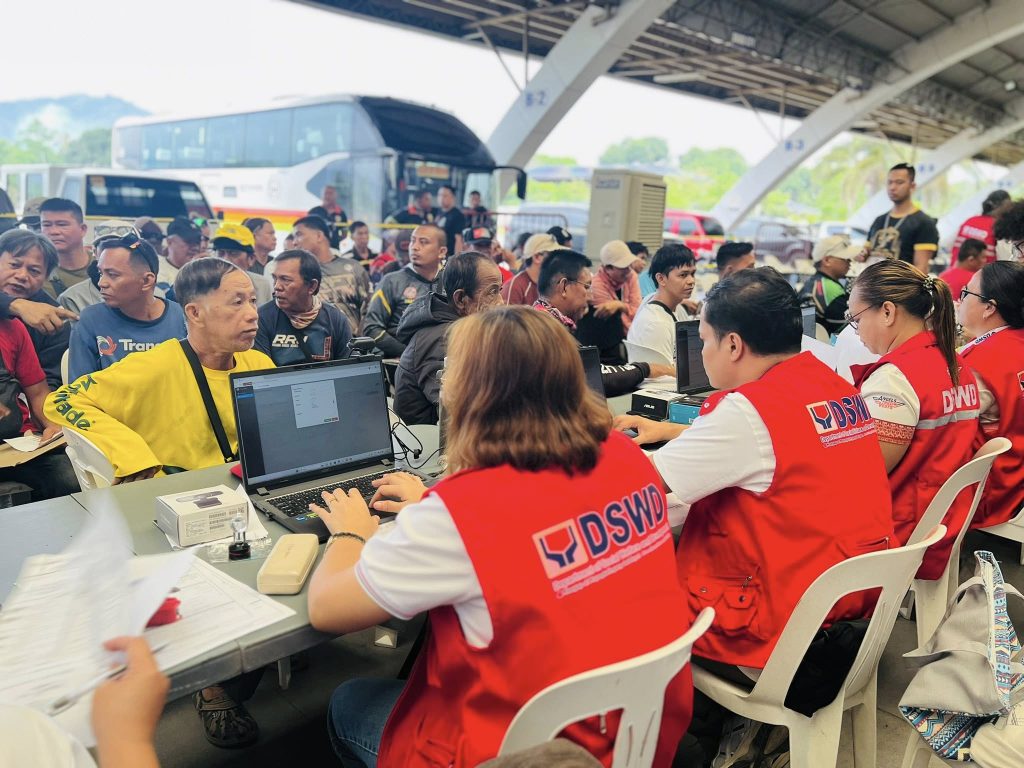
Not long after the Department of Social Welfare and Development (DSWD) led the nationwide rollout of its cash relief assistance (CRA) for tricycle drivers outside of Metro Manila, the agency continues to find ways to streamline the disbursement process of this initiative as rising fuel prices continue to eat into the pockets of PUV drivers in the country.
This, as DSWD hosted a virtual summit with various financial companies and electronic money institutions on Wednesday, to work on digital methods of distributing aid to those in need.
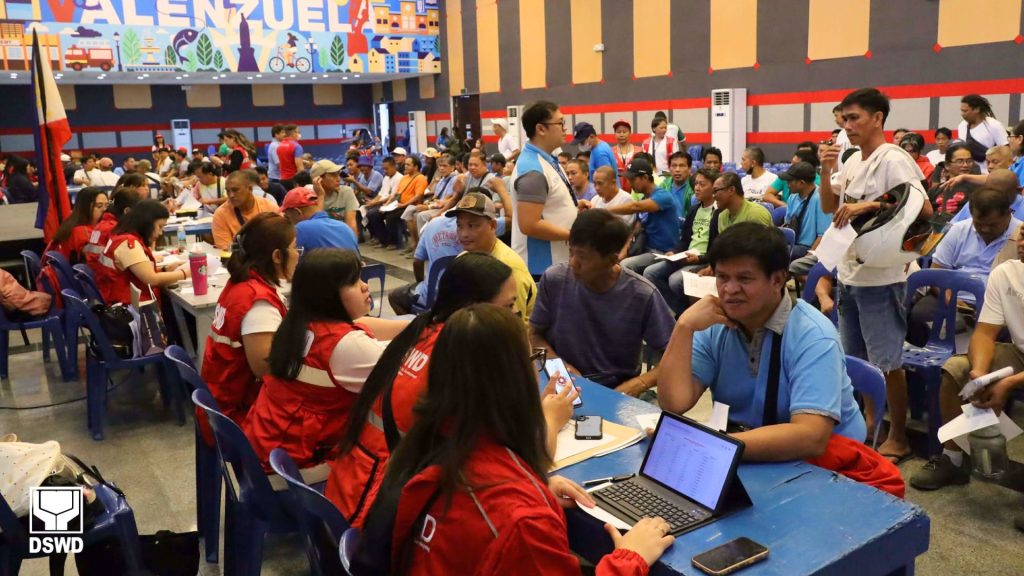
DSWD Chief Information Officer and Assistant Secretary Johannes Paulus Acuña said and expounded in the summit, “Traditional methods like over-the-counter payouts remain part of our system, but it can lead to delay, higher costs, and added burdens on beneficiaries who travel and line up to receive assistance. In a situation like this, speed and accessibility are essential.
By using accounts-based payout through e-money and mobile wallets, we can deliver assistance in real time. This allows us to respond faster, reduce friction, and ensure funds go directly to the beneficiaries without unnecessary barriers.”
Acuña moreover, noted the importance of shifting towards digital transactions as the agency prepares for the 2nd tranche of CRA payouts, noting that it would greatly benefit both parties.
This move will not only expedite the process of providing financial assistance to PUV drivers but also ensure that the allocated funds are used appropriately.
How does digital aid distribution work?
To achieve this, the DSWD official called on the financial service providers (FSPs) to partner with the Department in exploring ways to expedite the distribution of cash assistance to PUV drivers.
Acuña said, “We are scaling our rollout and calling on FSPs to partner with us in delivering this assistance. We need to ensure, secure, scalable, and reliable solutions that can reach even the most underserved communities.”
During the summit, the DSWD presented the documentary requirements for the planned digitalized payouts, such as a letter of intent, company profile, proof of an existing Land Bank of the Philippines (LBP) account, and proof of registration with the Securities and Exchange Commission (SEC), among others.
The agency discussed system requirements for digital banks and e-wallets, calling for a rigorous validation of the registered individuals and their financial details to seal possible loopholes or weak links that may be exploited for ill intent.
Beneficiaries are thus given the freedom to choose their preferred banks or digital wallets from the list of partner FSPs.
However, DSWD clarified that the agency will still implement face-to-face or over-the-counter payouts when deemed necessary, stating that digital disbursement is only intended to augment the current aid distribution process.
The FSPs and electronic money institutions (EMIs) that attended the meeting and expressed interest in strengthening the DSWD’s initiative included the Bangko Sentral ng Pilipinas (BSP), Maya Philippines, G-Xchange Inc., Palawan Group of Companies, Universal Storefront Services Corporation (USSC), Paynamix Tech Inc., Vision Technology Inc., BPI Direct Banko, Cebuana Lhuillier Corporation, and GoTyme Bank.
jpv

