
By Ma. Teresa Montemayor/ PNA
MANILA — Hospitals going digital is an important component in the success of the Universal Health Care (UHC) Law implementation since it provides quality care for more patients, a health care expert said.
In an interview on the sidelines of a health forum in Mandaluyong City, St. Luke’s Medical Center President Arturo de la Peña told the Philippine News Agency (PNA) that the use of electronic medical records (EMR) would allow hospitals, both private and public, to provide faster and quality health care services, especially now that every Filipino is entitled to them under the UHC law.
The EMR, a relatively new system being used in some hospitals in the Philippines, integrates existing hospital systems and provides immediate access to patient records.
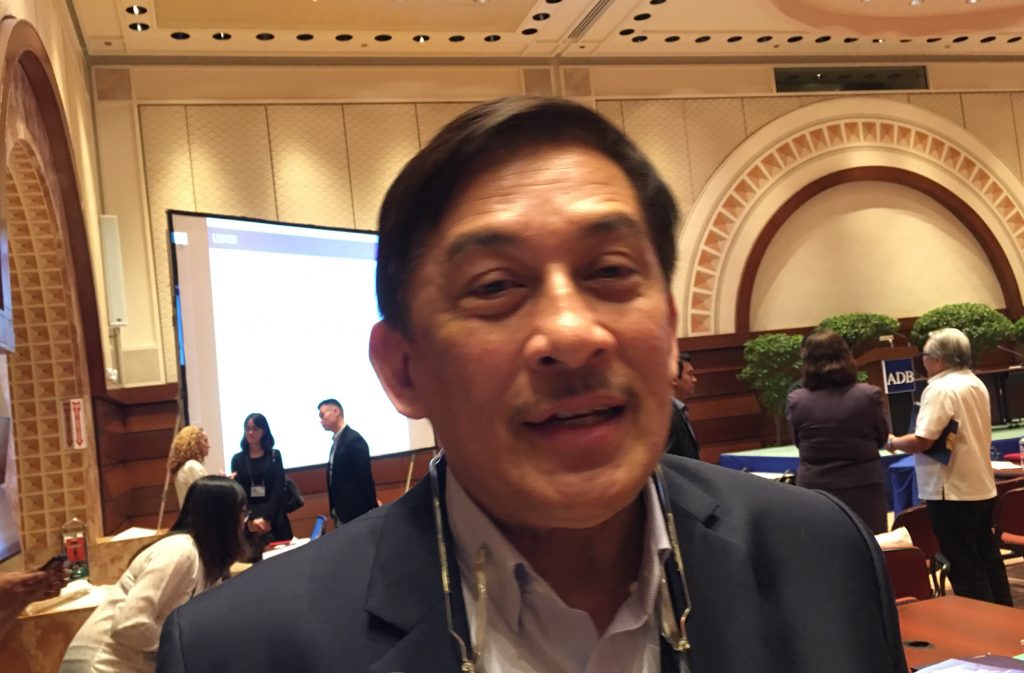
“When you don’t have a paperless system, first of all, a lot of paper is wasted. Secondly, there’s a delay, and number three, you’re not interconnected. For example, you’re a doctor and you’re going to refer to another doctor, the scheduling of consultations is difficult. It is not easily coordinated,” he said.
The system includes patient profiles and lists, hospital-wide results viewing, patient charts viewing and management. It can also keep track of the performance of a hospital and a physician.
Apart from quicker transactions, de la Peña said EMR promotes precision as each record would be patterned after clinical practice guidelines.
“There’s a clinical pathway and out of that, you will create a standard order set and you’ll just tick the items. You will give it to the patient and the patient will be guided, and that is easy. Through it you can also track the time, what time the person or patient has been admitted because all transactions have time logs,” he said.
De la Peña said the EMR can reduce medication errors since everything is computerized.
“It’s clear, no abbreviations, and the system can detect drug interactions. If the medicines are not given, the system will flag it. Since everything is documented, you can also call the attention of the people on the ground who are not doing their jobs,” he added.
De la Peña said “going digital” would require both hardware and software, and connectivity with other hospitals that are already using a digital system, starting from diagnosis to treatment of their patients. As such, it would be easier to manage a patient’s medical history with the system.
“Of course, the initial investment is costly, but in the long run, after it has been running, the maintenance now becomes cheaper. It assures quick turnover, you can admit more patients,” he said.
With the goal to improve their services and save more lives, de la Peña said they have started with the digital transformation in their hospital, which entails 14 months of full transition and government hospitals can do the same.
“What we can do for the government hospitals is they can learn from what we went through. They can even observe our system and help them have a shortened purchase process but, of course, the fund will be from them,” he said.

