
By Brian Campued
As the headline inflation continues to ease, Malacañang underscored the need to maintain vigilance against the risks posed by global challenges and weather-related disruptions on the prices of goods and services.
This, as the country’s inflation rate slowed to 6.2% in July from 6.4% in June, driven mainly by slower non-food inflation, including a decline in transport inflation, while food inflation remained stable month-on-month.
In a statement Wednesday, Palace Press Officer and Undersecretary Claire Castro welcomed the further easing of inflation in July, noting that the slower pace of price increases reflects the efforts of the administration to temper price pressures through the United Package for Livelihood, Industry, Food, and Transport (UPLIFT) mechanism established by President Ferdinand R. Marcos Jr. in March.
“We welcome these encouraging developments, but we remain vigilant. The geopolitical tensions in the Middle East and the effects of El Niño continue to pose risks to food and energy prices,” Usec. Castro said.
Malacañang noted that inflation in the National Capital Region eased further to 4.4% from 4.9% in June, reflecting slower increases in housing-related costs.
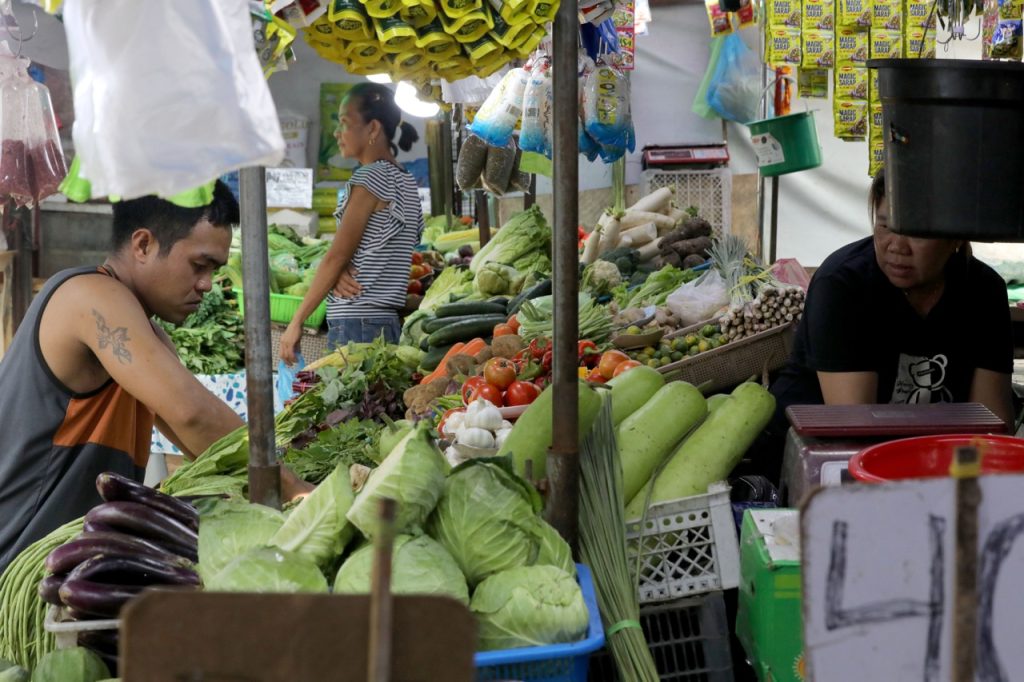
It also cited easing transport costs mainly due to slower inflation in diesel and gasoline. The prices of food likewise improved, with pork and chicken becoming cheaper due to ample supply, while vegetable inflation eased as prices of eggplant, garlic, and onions continued to decline.
“This signals that overall price pressures are gradually moderating,” the Malacañang said.
Meanwhile, month-on-month rice prices continued to decline despite elevated annual inflation due to base effects, as low prices were recorded from the previous year.
The Department of Economy, Planning, and Development (DEPDev) earlier assured that the government would continue to implement targeted interventions to cushion the impact of higher prices and other economic shocks on Filipinos, especially the vulnerable sector.
-jpv

