
By Anna Leah Gonzales | Philippine News Agency
The government is continuously stepping up efforts against persistent inflation drivers, the National Economic and Development Authority (NEDA) said Wednesday following reports on the slight rise in the headline inflation rate in May.
“The government will continue to implement lasting policy reforms to ensure we address the drivers of food and non-food inflation sustainably. We want to maintain a macroeconomic environment conducive to investment and high-quality job creation – an environment that would allow us to hit the Marcos administration’s development targets by 2028,” NEDA Secretary Arsenio Balisacan said.
His statement came after the Philippine Statistics Authority (PSA) reported that headline inflation was at 3.9% in May, up from 3.8% in April but lower than the 6.1% recorded in May last year.
“To help manage food inflation, promote policy stability and investment planning, and enhance food security, the NEDA Board has agreed to reduce the rice duty rate to 15% from 35% for both in-quota and out-quota imports until 2028,” Balisacan said.
The NEDA Board also approved the extension until 2028 of the reduced tariff rates on corn, pork, and mechanically deboned meat under Executive Order 50 series of 2023.
“The NEDA Board approved the new Comprehensive Tariff Program for 2024-2028, a strategic move to ensure access and affordability to essential commodities while balancing the interests of consumers, local producers, and the economy. At the same time, we recognize the need to help our farmers by modernizing our agricultural sector,” he said.
Balisacan said the Marcos administration aims to increase productivity to reduce food prices and shield consumers and the economy from the price volatility of food commodities in the global market.
“On the part of the executive, we will continue to find supply-side solutions to help manage the price increases of other commodities and keep inflation within the target range in the months to come,” he said.
To mitigate the impact of elevated food prices on the poor and vulnerable sector, the Department of Social Welfare and Development and relevant agencies are set to fully implement the Food Stamp Program nationwide in July.
This program expects to cover 1 million households by 2027, up from the initial 300,000 families in 10 regions.
In a briefing, PSA Undersecretary and National Statistician Dennis Mapa attributed last month’s higher inflation to the 0.9% increase in the index of housing, water, electricity, gas, and other fuels from 0.4% in April.
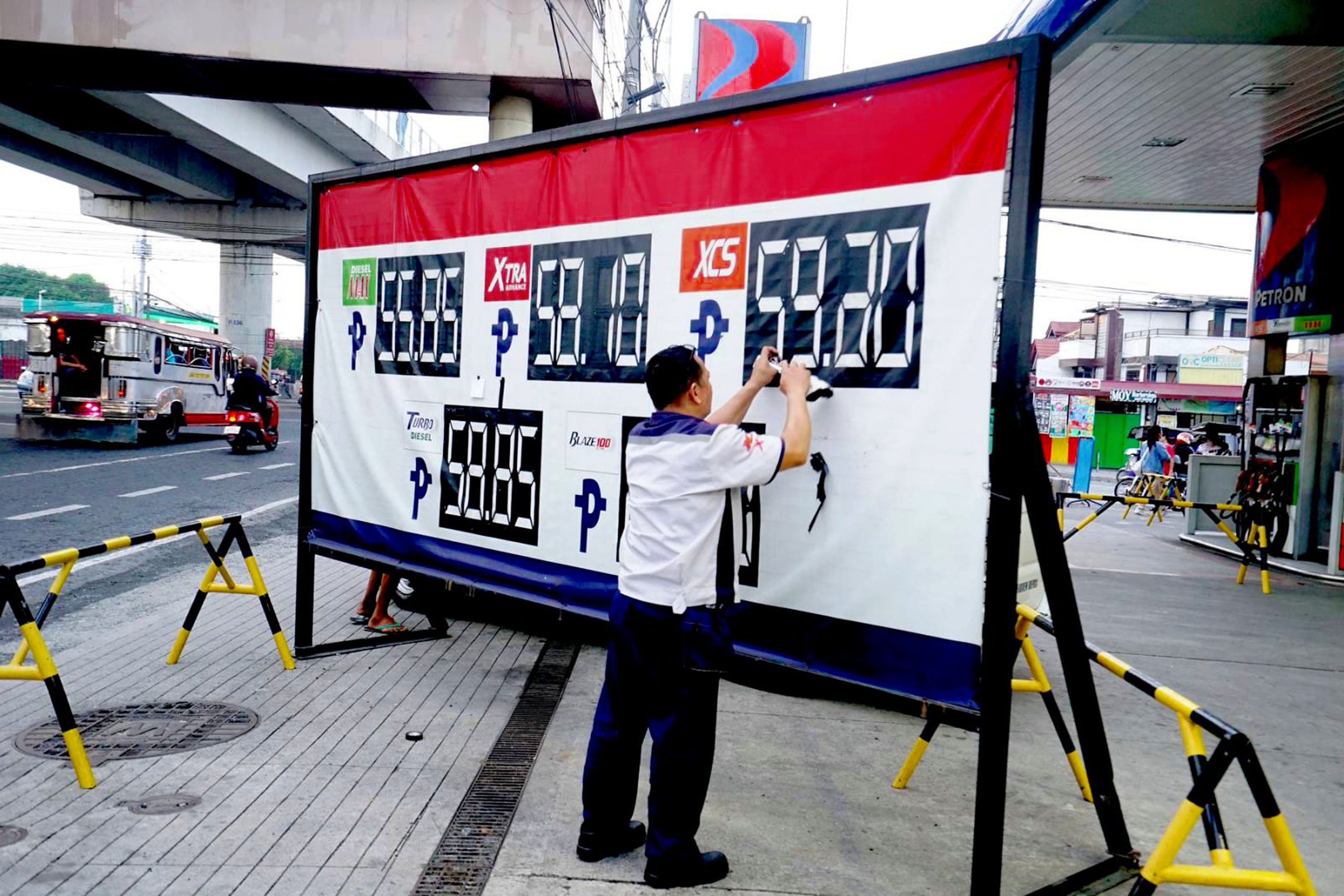
Mapa said the faster annual growth of the transport index, at 3.5% in May from 2.6% in April also contributed to the uptrend.
Food inflation, however, slowed to 6.1% in May from 6.3% in April, mainly due to the slower increase in the prices of vegetables, tubers, and cooking bananas.
Rice recorded a slower annual increase of 23% from 23.9% in April.
Medium-term inflation path
In a separate statement, the Bangko Sentral ng Pilipinas (BSP) said the latest inflation data is consistent with its expectations that inflation could temporarily accelerate above the 2% to 4% target range over the near term due to adverse weather conditions on domestic agricultural output and positive base effects.
The BSP, however, noted that average inflation will return to the target range this year and in 2025.
“The risks to the inflation outlook continue to lean toward the upside. Possible further price pressures are linked mainly to higher transport charges, elevated food prices, higher electricity rates, and increase in global oil prices,” it added.

