
By Dean Aubrey Caratiquet
With prices of gasoline and diesel reaching triple digits at local fuel stations, the government is scrambling to find more ways to make the country’s finite fuel supply last longer through various conservation measures.
Such was the case with the carpooling program that solons have been lobbying for weeks, which would complement the suspension of fuel excise tax, distribution of cash relief assistance to PUV drivers, and other similar initiatives.
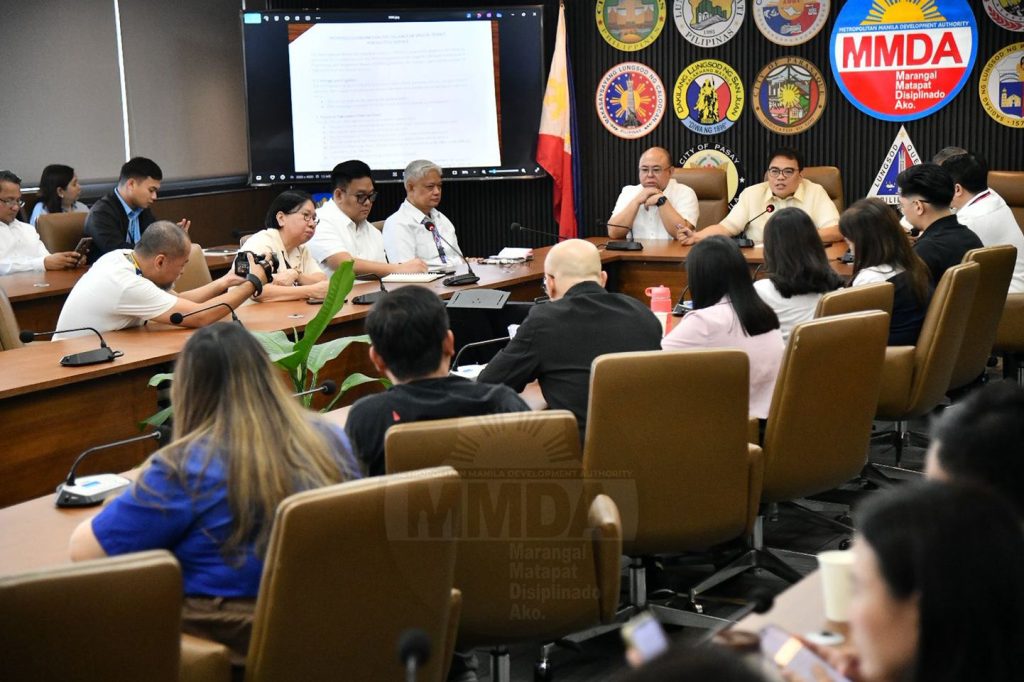
In a meeting on Monday, top officials from the Metropolitan Manila Development Authority (MMDA), Land Transportation Franchising and Regulatory Board (LTFRB), Department of Transportation (DOTr), Land Transportation Office (LTO), and Philippine National Police–Highway Patrol Group (PNP-HPG) met with civil society organization Automobile Association Philippines (AAP) and transport network companies to work on regulatory measures for the implementation of the carpooling program after the Holy Week.
MMDA Chairperson Romando Artes said that individuals owning private cars may apply under this program, and companies may elect to provide shuttle services to their employees.
Among the requirements for vehicles to be legally authorized for carpooling are as follows:
- LTFRB Special Permit/official QR code
- Identification marking (for company shuttles)
- Proposed route plan
- Fleet list
- Vehicle details
- Passenger eligibility
LTFRB Assistant Secretary Vigor Mendoza II said in a statement, “Layunin namin na maging accessible, convenient, at comfortable ang araw-araw na biyahe para sa commuters. Maaari rin itong maging prototype model sa iba pang lugar sa bansa.”
A point-to-point system will be imposed for the program, which entails a single pick-up and drop-off point, bans roadside loading/unloading of passengers, and two time slots for travel (6:00 a.m. – 9:00 a.m. and 5:00 p.m. – 9:00 p.m.).
Stringent safety standards concerning vehicle roadworthiness, driver eligibility, and adherence to traffic regulations will also be enforced by authorities.
Special permits may however, be revoked if any of the aforementioned policies were breached by the drivers enrolled in the program.
The Carpooling Program will run for either the duration of the declared state of energy emergency or the timeframe set forth by the LTFRB.
jpv

