
By Dean Aubrey Caratiquet
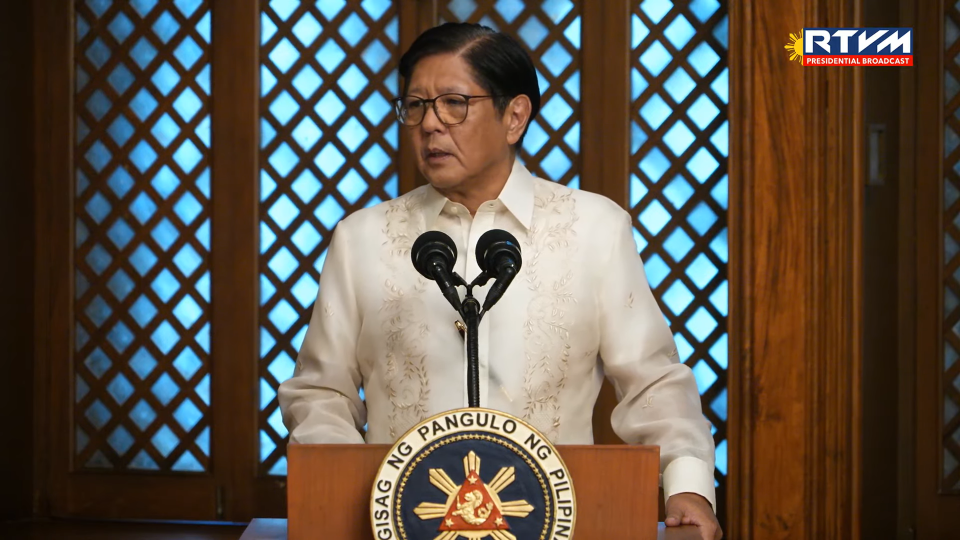
“I challenge anyone who are saying that I am sick that they come and exercise with me.”
President Ferdinand R. Marcos Jr. brushed aside rumors about his health in his brief banter with members of the Malacañang Press Corps (MPC) before he began his press briefing late Monday.
In a bid to clarify things once and for all, the President opened his remarks by sharing some important details about his health, citing notable improvements since his diverticulitis scare earlier this year.
He told the media, “My diet is back to normal, my exercise is back to normal. I still exercise three or four times a week… everything is normal, and I’m happy to say that I’m healthy.”
He warned the citizenry against those peddling fake news about his health, “Kaya mula ngayon, yung mga taong ‘yan na nagsabi sa inyo na may sakit ako, na baldado na ako, ngayon alam ninyo puro sinungaling yung mga yan. Wag niyo nang paniwalaan kung sino yung mga yun.”
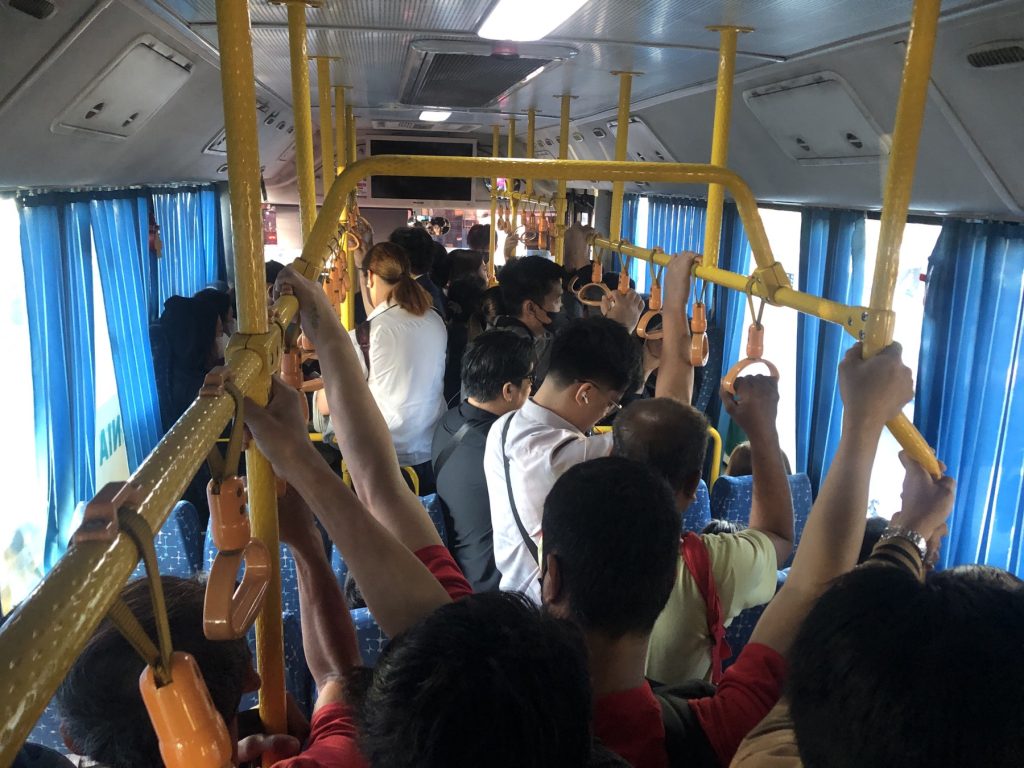
On measures to ease the burden of citizenry
After a quick disclosure of his health update, President Marcos Jr. proceeded with the briefing by enumerating four key measures that the government has undertaken to help the citizenry navigate these challenging circumstances.
First of all, he reassured his constituents that the country has an adequate supply of food products, which include rice, corn, vegetables, sugar, fish, pork, chicken, and egg, among others.
Ditto for basic necessities and prime commodities such as sardines, bread, instant noodles, bottled water, coffee, milk, and canned goods, with manufacturers retaining the prices of these goods until the end of April.
Second, he announced the suspension of excise tax on liquefied petroleum gas (LPG) and kerosene, which is equivalent to P3.36 per kilogram and P5.65 per liter, respectively.
The President also directed the Department of Agriculture (DA) to streamline the entry of imported food products into the country by reducing tariffs imposed on these products.
This also entails expediting the processing of Sanitary and Phytosanitary Import Clearance (SPSIC) and certificates of necessity to import, to aid in lowering food prices in the market.
The agency is also tasked to purchase excess output of farmers to stem overproduction and ensure that their produce does not go to waste.
The administration’s “Benteng Bigas, Meron Na” program is bound to expand further, with more locations and longer hours of dispensing staple grain to vulnerable sectors such as senior citizens, persons with disabilities (PWDs) and single parents eyed to help the common folk during these difficult times.
Lastly, the President ordered the reduction of anchorage, berthing, and cargo handling and storage fees charged by major ports to transporters of food products and essential items.
This would complement the earlier initiative by the Philippine Ports Authority (PPA) to impose a P1 RoRo Terminal Fee for vehicles transporting agricultural products from farms to markets, with the goal of stemming price increases and ensuring food adequacy across the archipelago.
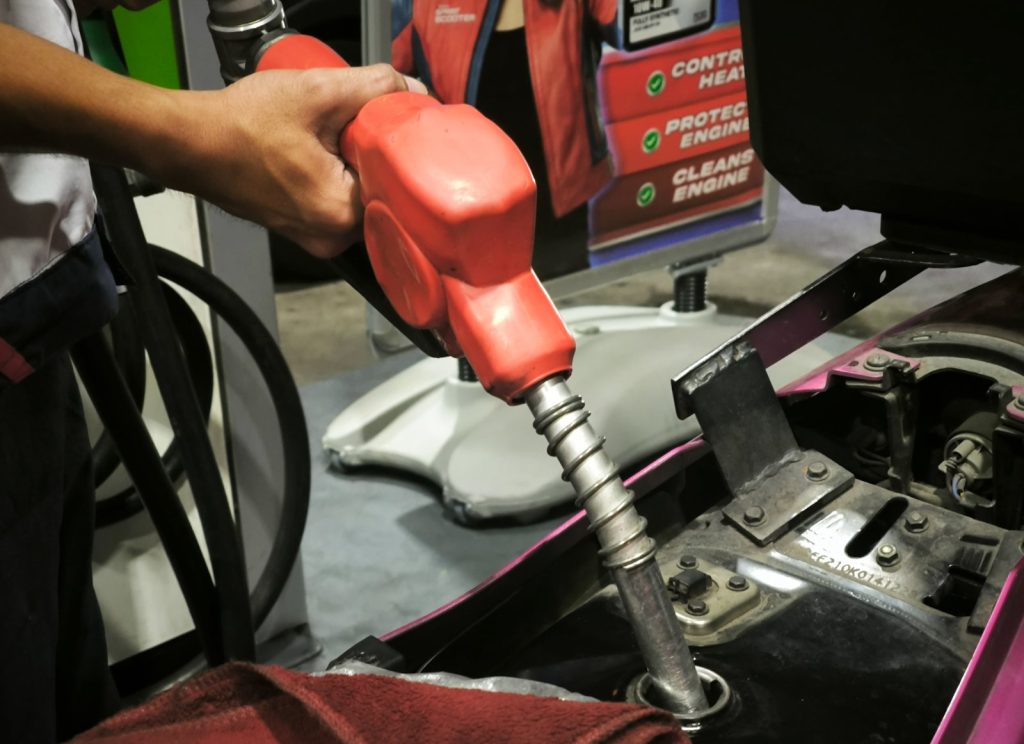
Clarifications about VAT on petroleum products
With an emphasis on balancing various aspects of the economy, President Marcos Jr. shared a brief explanation about the inner workings of taxation on fuel products.
The President noted that the value added tax (VAT) on petroleum products does not only get funneled and stored in government coffers, but it is also allocated in various government projects and initiatives that drive growth and progress.
He expounded, “If we take away the VAT on petroleum products, it will only help the petroleum market. What we need is funding to help the entire society. Hindi puwedeng yun lang, titingnan lang natin is petroleum (x3).”
The Chief Executive concluded, “Kasi sinasabi ng tao, bakit puro transport workers lang ang tinutulungan niyo? Paano kami? Bakit ganyan? We also have to take care of the other sectors, so with the additional funding that we will get from the VAT collections, yun ang gagamitin ngayon natin to provide.”
av

