
By Dean Aubrey Caratiquet
With the Middle East crisis continuing to cripple global trade and drive up fuel prices in countries that greatly rely on petroleum products sourced from the oil-rich region, the government continues to leverage all available resources to cushion the common folk from the energy emergency in the Philippines.
This, as Department of Foreign Affairs (DFA) Secretary Ma. Theresa Lazaro held a productive dialogue with Iranian Foreign Minister, His Excellency Seyed Abbas Araghchi, to discuss matters concerning the passage of Philippine-flagged vessels through the Strait of Hormuz.
The phone call ended with an assurance from Aragchi that Philippine exports and PH-flagged vessels and tankers would be allowed to pass through this strategic waterway that is being controlled by Tehran authorities.
At the Palace press briefing on Monday, Presidential Communications Office (PCO) Undersecretary and Palace Press Officer Claire Castro stressed that ties between Iran and the Philippines remain strong amid the former’s involvement in the Middle East conflict.
Castro moreover addressed concerns surrounding the safe passage agreement between Manila and Tehran, emphasizing that this would not jeopardize Philippine ties with the United States—with the Southeast Asian nation collaborating with its Iranian counterpart and the Maritime Industry Authority (MARINA) to ensure that PH-bound vessels can navigate the passage on an unhampered and unrestricted basis.
She issued clarifications about the classification of Philippine-flagged vessels, “Ang sinasabi po dito, kapag Philippine-flagged vessel, ang ibig sabihin registered with the MARINA.”
Ito ay kinakailangang pag-aari, kontrolado, or at least chartered by Filipino citizens or corporations with at least 60% of capital owned by Filipinos, of course subject by Philippine laws on safety and labor. Hindi po yun technical or literally barko ng Pilipinas.”
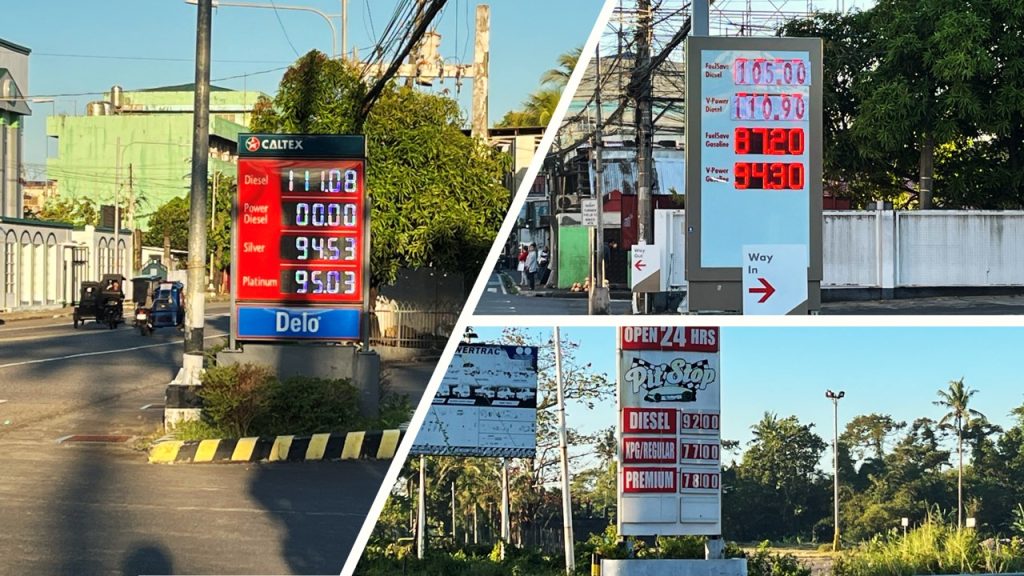
Palace open to suggestions on pacifying volatile oil prices
At the same briefing, the Malacañang mouthpiece said that the government leaves the door open for suggestions from lawmakers on how the common folk can be spared from the impact of rising fuel prices on their daily lives.
Among these suggestions include amending the Downstream Oil Industry Deregulation Act of 1998, carpooling, imposition of purchase limits in lieu of fuel rations, streamlined fuel subsidies for affected sectors, and the “Bayanihan 3.0” initiative—with the last one taking inspiration from the government’s response to the COVID-19 pandemic.
Castro, however, declined to further comment on how President Ferdinand R. Marcos Jr. will act upon these various recommendations and integrate these into the whole-of-government approach in navigating the energy emergency but hinted at various meetings of concerned agencies that will focus on ways to deal with the dilemma moving forward.
On Tuesday, the Chief Executive is expected to convene with the Development Budget Coordination Committee (DBCC) to review the steps currently undertaken by the administration to help the citizenry navigate these difficult circumstances.
A Unified Package for Livelihoods, Industry, Food, and Transport (UPLIFT) Committee meeting is also expected to bring together various government institutions and stakeholders to work on meaningful ways forward.
av

