
By Dean Aubrey Caratiquet
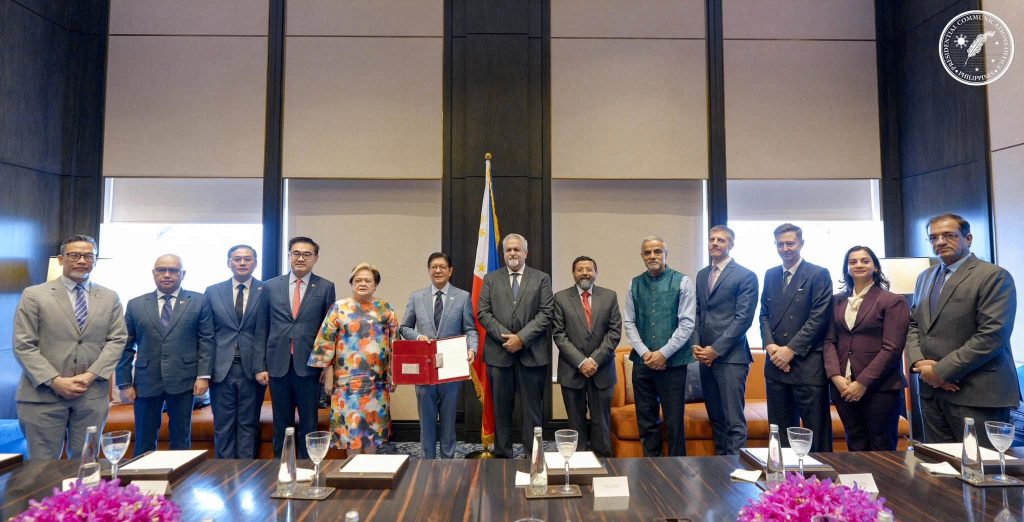
Kicking off his visit to India from Sept. 12-13, President Ferdinand R. Marcos Jr. met with Coalition for Disaster Resilient Infrastructure (CDRI) officials at the Taj Mahal Hotel in New Delhi, India.
This, as the Philippines officially joined the Coalition as its 71st member—the second Southeast Asian nation to do so after Vietnam.
The country’s membership comes as a timely response to the growing effects of climate change, such as unpredictable weather patterns, heavier rainfall, and prolonged dry spells.
Leveraging its alliances with partner nations, the Philippines is also poised to benefit from the experiences, technical expertise, and best practices of other CDRI members to build disaster-resilient infrastructure.
Presidential Communications Office (PCO) Secretary Dave Gomez expounded, “Unang-una, tuturuan nila tayo—parang sharing ito ng experiences ng mga members ng coalition in dealing with disaster and how to be disaster-resilient.
For example, how to build roads, bridges, ports na disaster-resilient. So, tutulungan nila tayo. Bibigyan nila tayo ng payo doon. “So, it’s a very big thing to be part of this Coalition.”
CDRI Director-General Amit Prothi welcomed the Philippines’ membership, “I’m really looking forward to working with the Philippine institutions on disaster-resilient infrastructure, and I’m very happy that they’ve decided to join the coalition.”
The CDRI is a voluntary and non-binding global partnership launched by India in 2019 to help countries strengthen their defenses against disasters and climate change.
This initiative brings together governments, international organizations, financial institutions, the private sector, and academic institutions to share expertise and best practices, strengthen technical capabilities, and promote investments in resilient infrastructure.
av

