
By Eunnese Jane Tapi-on | PTV- Sales and Marketing Division
There are ways to experience Taiwan. For me, some of the memorable moments happened around the dining table—sharing dishes, discovering new flavors and learning how each meal reflected a different part of the island.
As part of the VisionThai Familiarization Trip, our “Waves of Flavor” journey became more than trying different dishes. It became a discovery of Taiwan’s culinary character. With every meal I found myself noticing how local ingredients were prepared, how traditional recipes were preserved and how food naturally brought everyone around the table together.
From interactive Mongolian barbecue and fresh seafood to Hakka cooking and familiar home-style dishes, every restaurant gave me another reason to appreciate Taiwan.
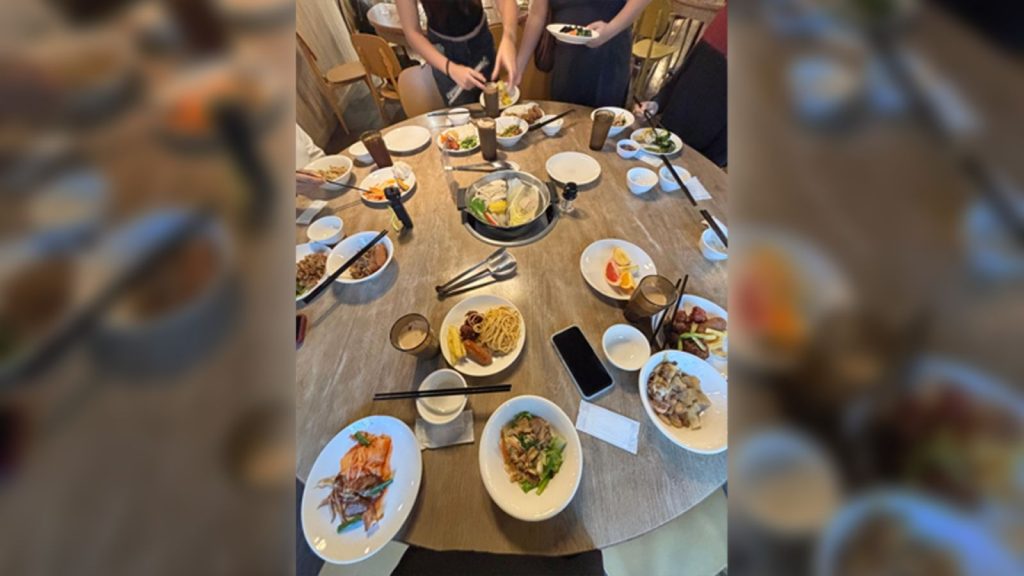
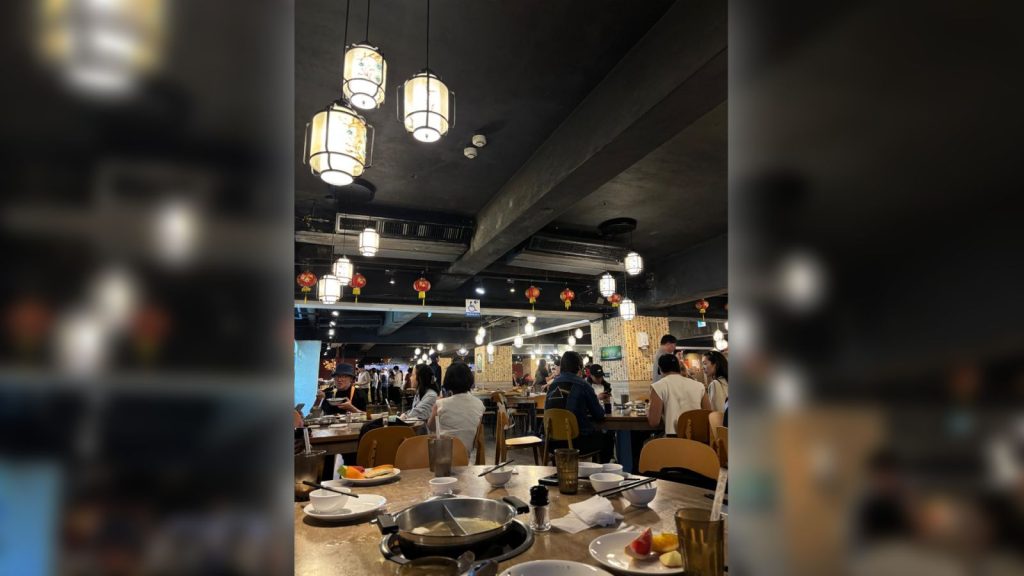
We began at Great Gobi Mongolian Barbecue – Songjiang Original Store, where the experience started with a choice: deciding what would go onto our plates. Selecting our combination of meats, vegetables and sauces before watching everything come together on the grill made the meal feel personal.
I enjoyed being able to create my combination and then see those choices transformed right in front of us. It was a concept but one that made the meal interactive and enjoyable.
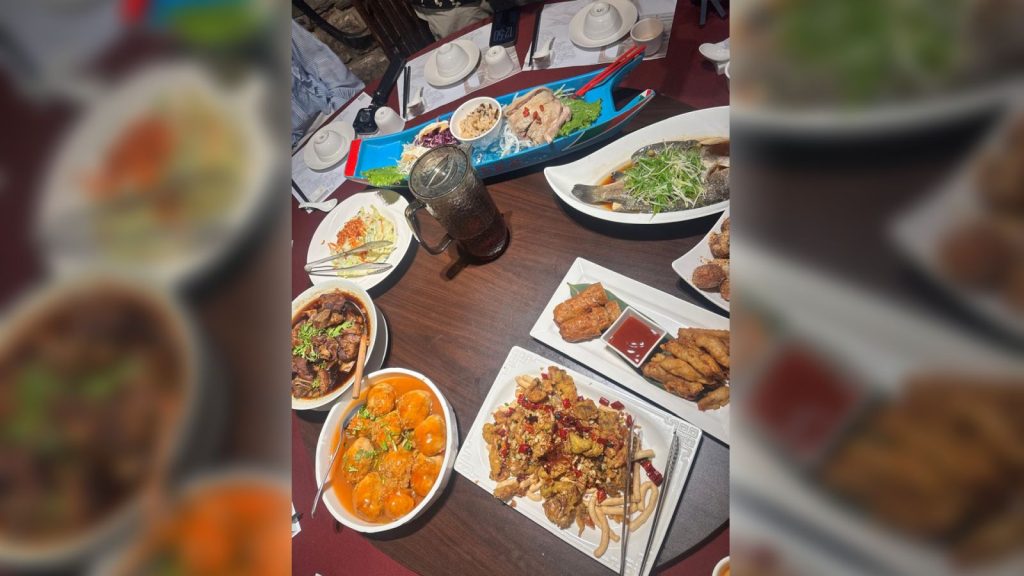
At Red Castle 1899, we experienced flavors closely connected to the character of Tamsui. The Tamsui Agei with Golden Scallops was one of my favorites bringing a known local specialty to the table in a more refined presentation.
The Fried Soft-Shell Crab with Typhoon Shelter was equally memorable for its crispy texture and fragrant garlic and chili flavors.
I also enjoyed the Steamed Sea Bass with Cordia Dichotoma, which offered a contrast and allowed the freshness of the fish to stand out. Ending with the Signature Taro Balls added a sweet and crisp touch to the meal.
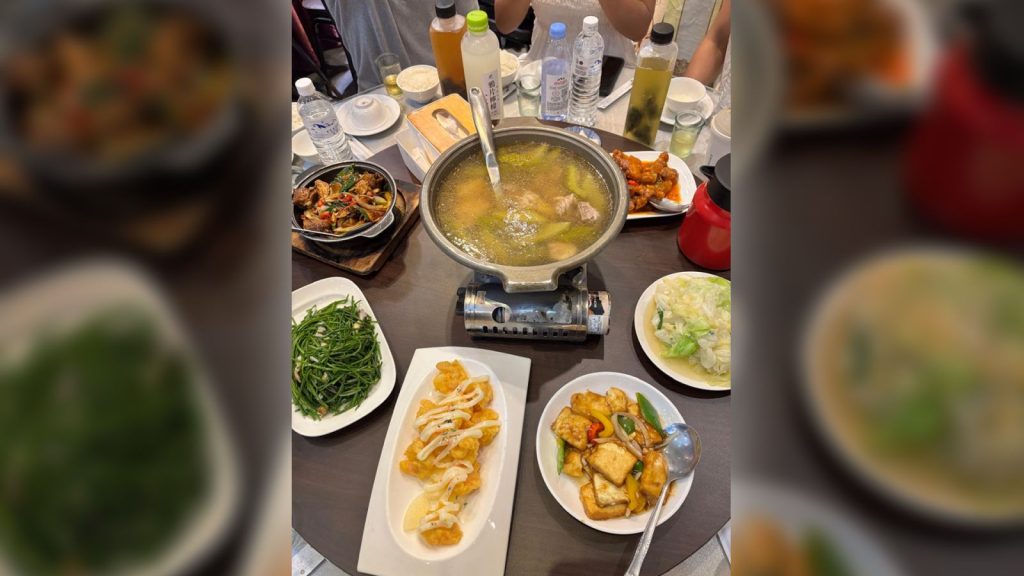
Our visit to Nanhai Fishing Village – Luzhou Branch reminded me that some of the dining experiences are meant to be shared. The Three-Cup Chicken immediately caught my attention with its combination of sesame oil, soy sauce, rice wine, garlic, ginger and fresh basil. It was rich and aromatic.
It was the kind of dish that made me want to go back for another serving. The Hakka-Style Stir-Fry was another favorite combining pork, dried squid, tofu and aromatics in a savory sauce. I also enjoyed the Pineapple Shrimp Balls, which brought a lighter contrast to the table.
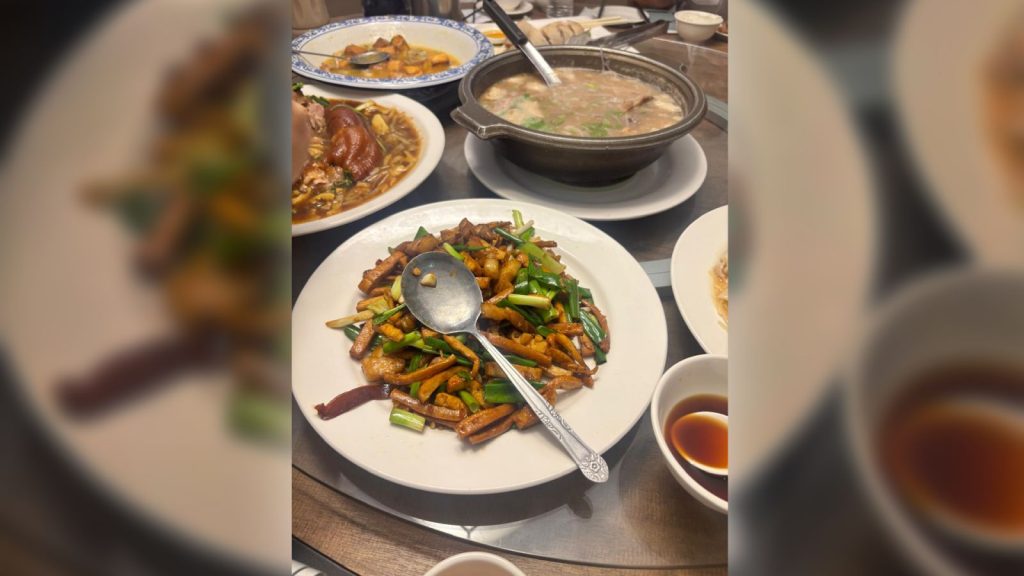
At Jinshan Hakka Restaurant we encountered another chapter of Taiwan’s heritage. The Seafood and Tofu with Crab Roe was my offering—a rich and silky combination that felt both comforting and distinctive. It showed me how Hakka cooking can bring ingredients together while still allowing each one to contribute to the dish.
The Hakka Baked Chicken in Salt was another highlight with its tender meat and rich savory aroma. I also appreciated the Sailfish and Fried Taro with Rice Noodle Hot Pot, which brought a warmth to the meal. Together these dishes gave me an appreciation for the depth and heartiness of Hakka cuisine.
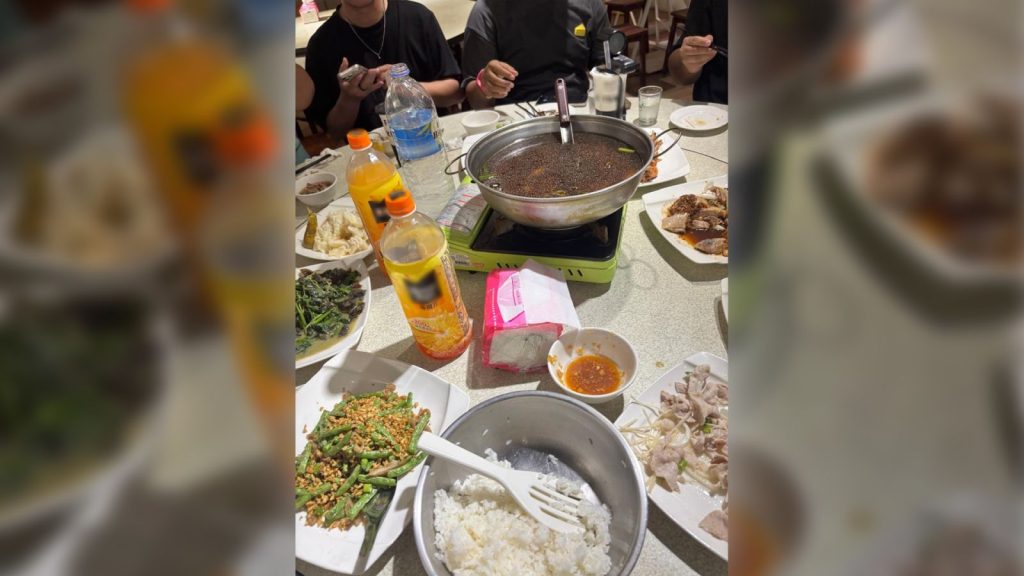
At Tian Jin Seafood Stir-Fry Restaurant I found myself enjoying a kind of experience: simple straightforward cooking that allowed the ingredients to speak for themselves. The Crispy Tofu with Silky Egg Filling stood out because of its contrast in texture—the exterior and soft silky center working beautifully together.
The Grilled Mackerel was another dish, with its golden crisp skin and tender meat. I also enjoyed the Typhoon Shelter Crispy Salt-and-Pepper Shrimp, which added an aromatic and savory element to the meal. What I appreciated most was how these dishes showed that good food does not always need to be complicated.
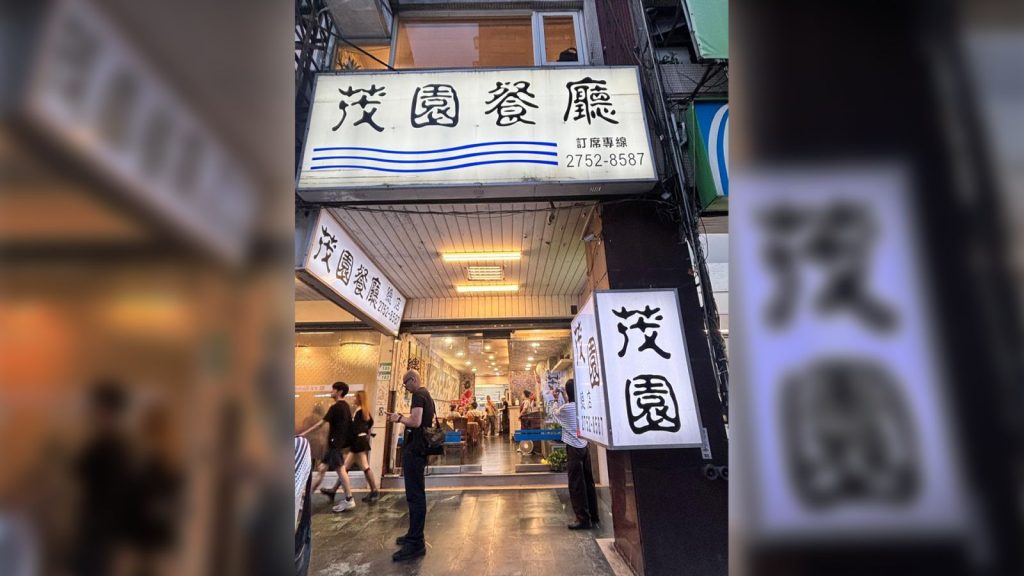
At Mao Yuan Restaurant, I was reminded of the beauty of cooking. The White-Cut Chicken was tender and delicately prepared allowing the natural flavor of the meat to remain at the center of the dish. Its recognition as a Bib Gourmand restaurant in the 2025 MICHELIN Guide Taiwan felt fitting to me—a reminder that memorable food does not always have to be elaborate. Sometimes it is simply about respecting ingredients and preparing them well.
The Fresh Oysters with Garlic Sauce were another highlight combining the oysters’ briny sweetness with the richness of garlic. I also enjoyed the Steamed Fish with Preserved Winter Melon, a dish that balanced natural sweetness with a mellow savory flavor. These were the kinds of dishes that made me pause and appreciate how much character can come from carefully prepared ingredients.
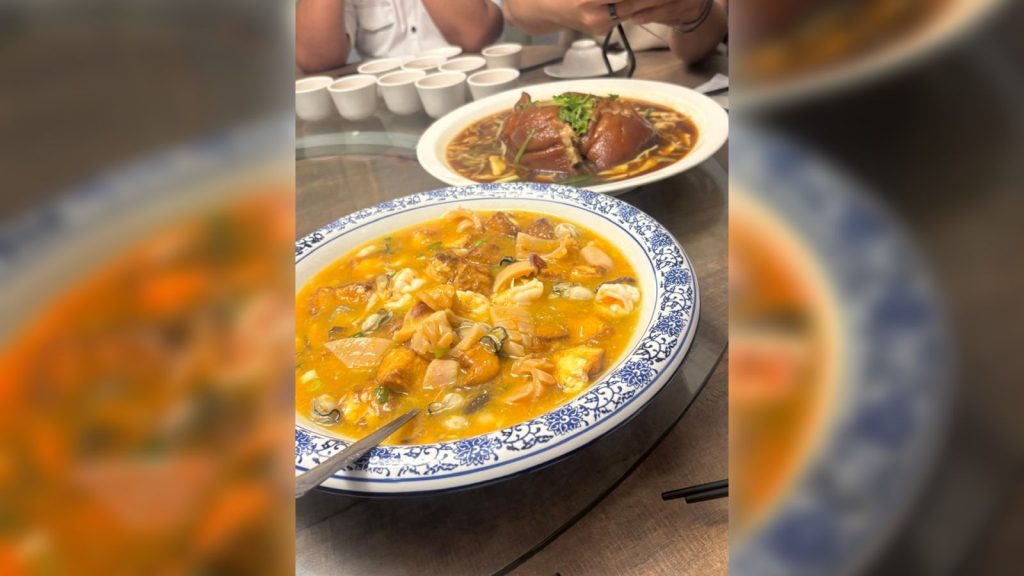
Our culinary journey continued at Gutsuo Restaurant, where the Braised Beef Brisket Casserole brought a comforting note to the experience. Warm and made for sharing it naturally became one of those dishes around which everyone gathered. The beef was rich and satisfying making it easy to understand why such dishes have a place at the center of a family-style meal.
The Scallion Oil Chicken offered a more aromatic contrast while the Sweet and Sour Yellow Croaker added a crisp and tangy element to the table. I enjoyed how the meal moved between textures and flavors without losing the comforting feeling of traditional home-style cooking.
A culinary tour
Beyond the dishes, what stayed with me was how each restaurant offered a different glimpse into Taiwan. Some flavors surprised me while others showed me how familiar ingredients could become something new through traditional cooking.
What I enjoyed most about the Waves of Flavor was that I was not simply tasting food. I was experiencing pieces of Taiwan through every meal—the traditions, behind local specialties, the richness of Hakka cooking, the freshness of seafood and the comfort of dishes meant to be shared.
After seven restaurants I realized that Taiwanese cuisine was more diverse than I had imagined. I came to Taiwan expecting to taste its food. I left with a deeper appreciation of the place itself—one dish, one story and one table at a time. (PR)

