
By Brian Campued
With the solemn observance of Lent and the Holy Week, Filipino Catholics practice various traditions—from not eating meat every Friday or giving up indulgences such as alcohol to showing their devotions and repentance through acts like Visita Iglesia and self-flagellation.
As much of the country grows still and the usual bustle of the city streets go silent during “Semana Santa,” these enduring traditions continue to evolve with time while remaining firmly rooted in faith and belief.
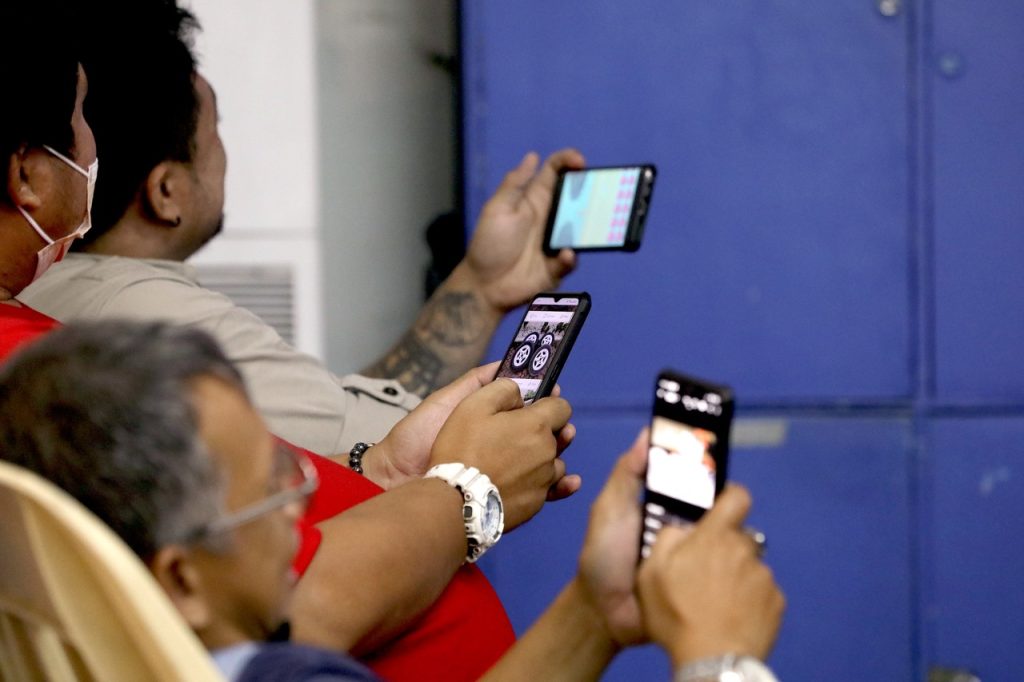
Aside from voluntary abstinence from food, the faithful are also encouraged to undertake “digital media fasting” to rediscover inner silence, prayer, contemplation, spiritual focus, and genuine relationships.
According to the Catholic Bishops’ Conference of the Philippines (CBCP), fasting also means “detaching from whatever distracts our hearts from God,” noting that being glued to phones as well as getting addicted to social media weaken a person’s “interior life.”
It added that digital fasting is “not meant to punish the body but to free the heart.”
“Constant connectivity leaves little room for silence and reflection. Many struggle to be present to God and others because screens constantly demand attention. Digital media fasting helps restore balance and reminds us that technology must serve human life—not dominate it,” CBCP President Archbishop Gilbert Garcera said in a pastoral letter signed Feb. 13.
The Catholic prelate advised the faithful to avoid phone use before bed and upon waking; limit social media and streaming; and observe device-free meals and gatherings.
He also encouraged occasional 24-hour or weekend digital fasts, removing distracting mobile applications, and replacing screen time with prayer, service, reading, or conservation.
Garcera stressed that practicing digital media fasting will provide Catholics with more time for prayer, scripture reading, Eucharistic devotion, works of mercy, and meaningful interactions.
“Fasting redirects attention from self-centered habits to the loving service of others. It is not deprivation but transformation,” he said.
Aside from rediscovering connection with God, flushing out all the digital noise even just for a certain period of time would also renew one’s physical energy as well as improve mental health, sleep, productivity, and bonds with other people.
-av

