
By Dean Aubrey Caratiquet
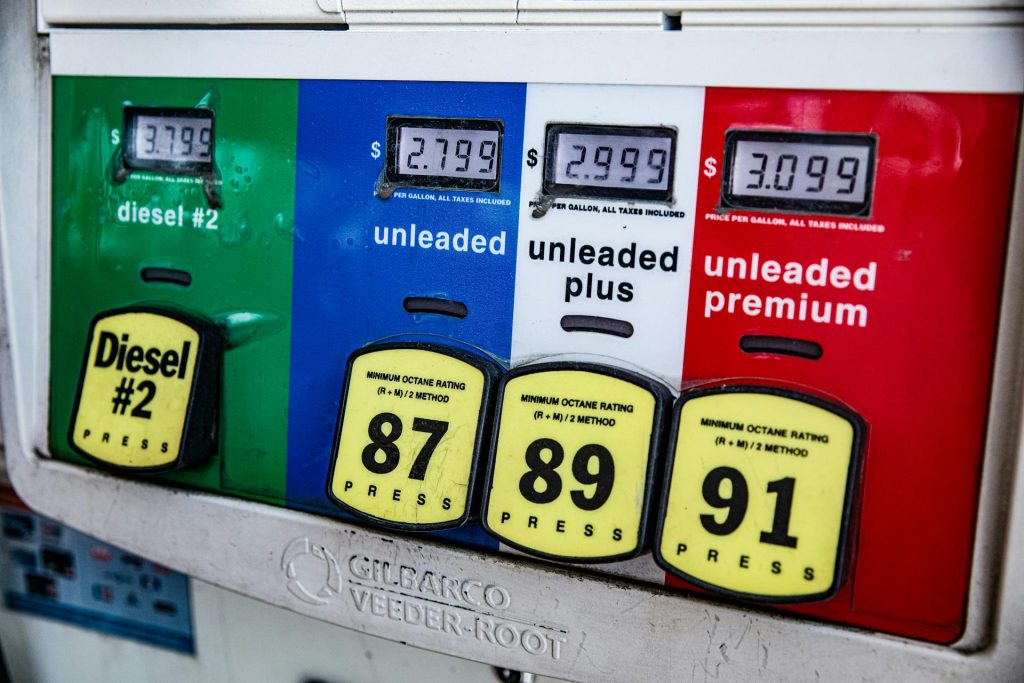
With the unrelenting uptick in oil prices continuing to stretch the finite budgets of motorists that ply Philippine roads, some lawmakers have lobbied for the scrapping of Republic Act No. 8479 as part of countless measures to ease the burden of the current situation on the common folk.
But what is R.A. No. 8479 all about, and what role does it play in the volatile prices of petroleum products at fuel stations across the country?
Also known as the Downstream Oil Industry Deregulation Act of 1998, this policy loosens the government’s firm grip on oil prices and established players in the petroleum industry to allow entry of new participants and foster a competitive market while ensuring fair prices and an adequate supply of high-quality petroleum products for Filipinos.
As the chief agency tasked with the enforcement of R.A. 8479, the Department of Energy (DOE) is tasked with monitoring daily international crude oil prices and the movements of domestic oil prices, as well as ensuring that fuel dispensed at local pump stations comply with national standards and protocols.
DOE is likewise in charge of ensuring that refining and manufacturing of local petroleum products is done in accordance with local labor and environmental regulations, as well as keeping a periodic schedule of total industry inventory to determine the level of supply on the market.
The agency moreover has the authority to act upon any violations or breaches of provisions stipulated under R.A. 8479, which also applies to unreasonable rise in the prices of petroleum products and national emergencies.
Other concerned agencies also played an important role in the effective implementation of the Law’s provisions.
Section 7 stated, “The Department of Trade and Industry (DTI) and DOE shall take all measures to promote fair trade and prevent cartelization, monopolies, combinations in restraint of trade, and any unfair competition in the Industry as defined in Article 186 of the Revised Penal Code, and Articles 168 and 169 of Republic Act No. 8293, otherwise known as the “Intellectual Property Law””
Section 9 added, “The DOE, the Department of Foreign Affairs (DFA) and the DTI shall jointly formulate and establish a program that will promote the entry of new participants in the Industry. Such program shall, among others, include a strategic international information campaign to be implemented through selected embassies and consular offices of the Philippines.”
Under Section 10, the DOE also works in close collaboration with the Technical Education and Skills Development Authority (TESDA) to facilitate management and skills training for new players in the oil industry.
What value does it hold today?
Prior to the enactment of this Law, the Energy Regulatory Board set a price cap on prices of domestic petroleum products according to the exchange rate and the cost of imported crude.
This was made possible by the Oil Price Stabilization Fund (OPSF), a budget allocation that cushioned consumers from any additional cost incurred by oil companies in the importation of petroleum products as a response to the movement of prices in the global market, but were not reflected in pump prices.
The lack of competition also left motorists with limited options to source fuel to power their gasoline or diesel-fed vehicles and machinery, as well as caused a delay for businesses to recoup their profit margins from dispensing their products whose prices do not reflect global prices in real time.
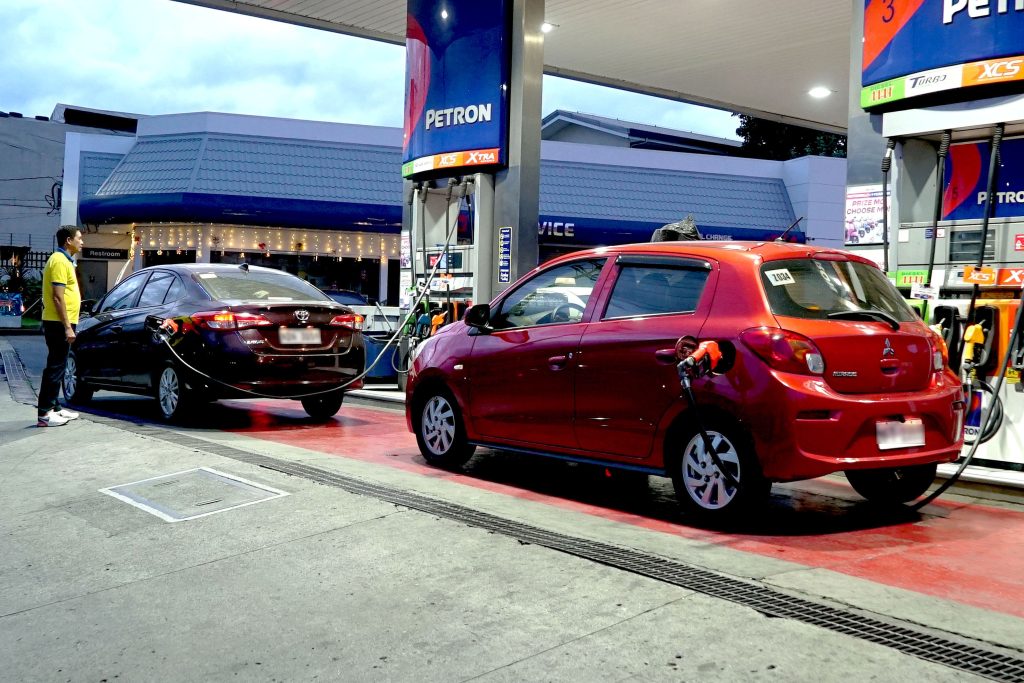
After R.A. 8749 underwent full implementation, various companies and independent players entered the local petroleum industry and motorists were provided with a plethora of choices where to fill up their tanks without burning a hole in their allocated fuel budgets.
But as tensions in the Middle East continue to disrupt local pump prices, Malacañang clarified that local players continue to be bound by the Law’s provisions—using the Mean of Platts Singapore (MOPS) as the primary benchmark to determine the selling price of gasoline and diesel in every pricing cycle.
Palace Press Officer Claire Castro explained, “Ito po yung ginagamit nila ngayon, kung saan ang produktong ibinebenta sa ngayon ay base sa presyo sa current or near-current international market prices at hindi sa historical acquisition cost ng kanilang inventory.”
She added further, “So yung pump prices po ngayon, nagrereflect ng current global market conditions kahit na yung kanilang inventory ay nabili nila na mas mababang presyo. Kasi ganoon po ang umiiral sa ganitong klase na sistema.”
In conclusion, industry players are simply matching their selling price with the real-time prices of crude oil in the international market and are not taking advantage of regional developments in the Middle East to hurt the wallets of Filipino motorists.
avds

