
By Dean Aubrey Caratiquet
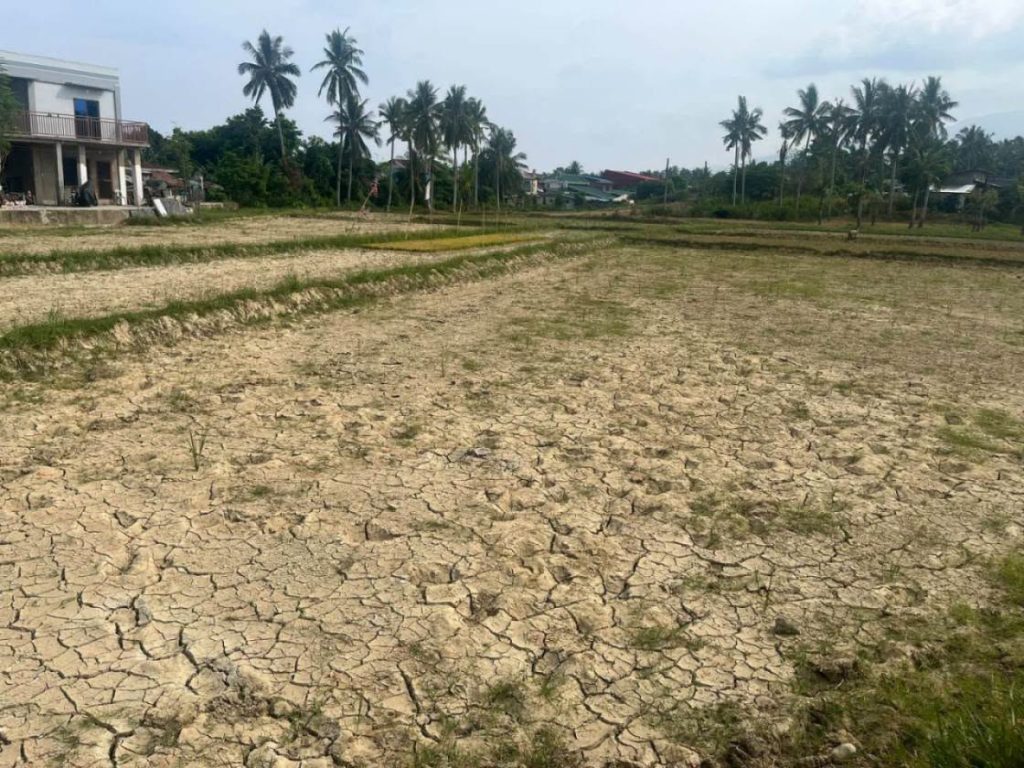
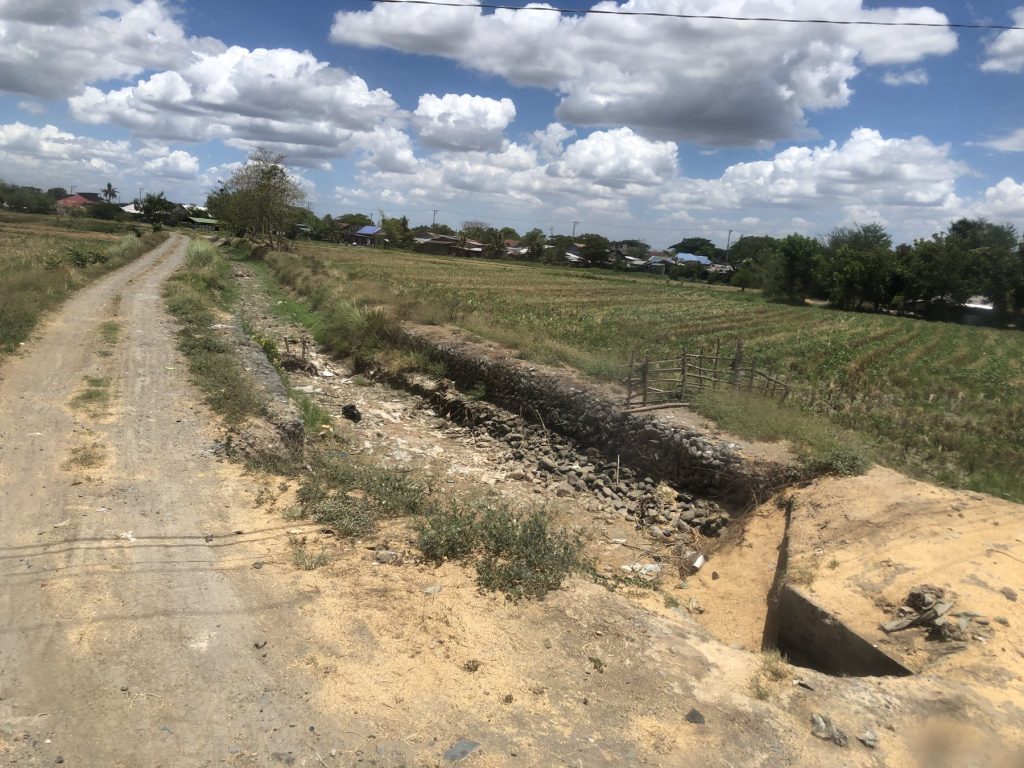
Wilted plants, dried-up waterways, and soil baked by the scorching heat of the sun. These three scenarios paint a vivid picture of the dry spells that periodically affect the Philippines, especially during the summer months.
This drought also happens to be a core component of the El Niño phenomenon, which is among the most powerful naturally occurring influences on the global climate system.
According to the National Oceanic and Atmospheric Administration (NOAA), the origins of this terminology (Spanish for ‘the little boy’ or ‘the Christ Child’) can be traced back to South American fisherfolk, who used El Niño to describe the appearance of unusually warm water in the Pacific Ocean near the beginning of the year, which also tends to arrive around the Christmas holiday.
The phenomenon is also characterized by the occurrence of low-level surface winds that blow from east to west along the equator and can form part of the Southern Oscillation, an overlying atmosphere across the equatorial Pacific Ocean.
While these winds move away from Philippine waters, El Niño’s effects can be felt around the globe whenever it occurs every two to five years.
But if the regular occurrence of El Niño forms part of the global weather system, then what makes super El Niño such a worrying development?
Super El Niño explained
Recent reports by the World Meteorological Organization (WMO), backed by data from the US NOAA, define Super El Niño as the byproduct of above-average temperatures in the central-eastern equatorial Pacific Ocean (more than two degrees Celsius), which occurs roughly every 10-15 years.
These warmer waters weaken the upwelling of nutrients from below the surface, which affects the nutrition of marine life that relies on it for survival—dealing a significant blow, especially to seafood consumed in large quantities around the world.
Moreover, marine heat waves can lead to episodes of coral bleaching and algal blooms that undermine the integrity of aquatic ecosystems, especially in coastal and island states.
While extreme heat forms an integral part of this phenomenon, what many don’t realize is that Super El Niño causes a duopoly of floods in some regions and droughts in other areas.
As such, its effects extend beyond disruptions in the fresh catch sourced from the world’s oceans to also include agricultural lands that are also stripped of water and nutrients to sustain crops.
An excerpt from the World Resources Institute read, “While impacts can be tricky to predict, areas expected to experience drought this year include the Caribbean, Central America, northern Brazil, central and northern India, central and southern Africa, Indonesia, the Philippines and Australia.”
Apart from prolonged dry spells, the occurrence of Super El Niño may also trigger more damaging forest fires and cause dried-up plants to naturally combust, thus causing further ecosystem damage and placing communities living near these forests at greater risk.
Under different circumstances
While not that dissimilar from the regular variant that occurs more frequently, the 2026 Super El Niño may have far greater effects on people and the environment because it is further aggravated by the worsening effects of climate change.
The latter is reflected in the highly-unpredictable weather conditions experienced by countries across the globe, as evidenced by stronger cyclones, floods, droughts, and extreme heat that displace people and disrupt livelihoods.
Another significant man-made factor that makes the situation even more dire is the U.S.-Iran war, which continues to affect the global supply of fuel and fertilizer—both critical components in agriculture.
An excerpt from the WRI read, “If fuel and fertilizer prices remain high, farmers may plant less, apply less fertilizer, or struggle to move food where it’s needed, exacerbating food insecurity.”
As such, should this geopolitical development escalate or persist, it will cause serious repercussions in the global agricultural market, bringing less profit for farmers and less food on the table for consumers.
Navigating extreme weather conditions
While one may not be able to predict the outcomes or exert control over Super El Niño, one can still find ways to adapt to the challenges brought about by this meteorological event.
Water conservation ranks at the top of the various measures that one can take to ensure sufficient hydration throughout this weather episode, which includes rainwater harvesting, reuse of gray water, and other responsible consumption practices.
Energy conservation also plays an important part in the wise utilization of resources to keep scarcity at bay, which includes carpooling, turning off lights when not in use, and investing in renewable energy such as solar panels.
Participation in advocacy campaigns that champion efforts against climate change, deforestation, illegal mining, and other harmful activities that pollute the planet also makes for a small but noteworthy activity worth investing in.
And finally, the most important tool in the arsenal is information. By being equipped with the right information and knowledge, one can be spared from engaging in panic-buying and hoarding of essential supplies, and can serve as a trustworthy figure that others can count upon during these challenging times, where cooperation matters more than competition.
jpv

