
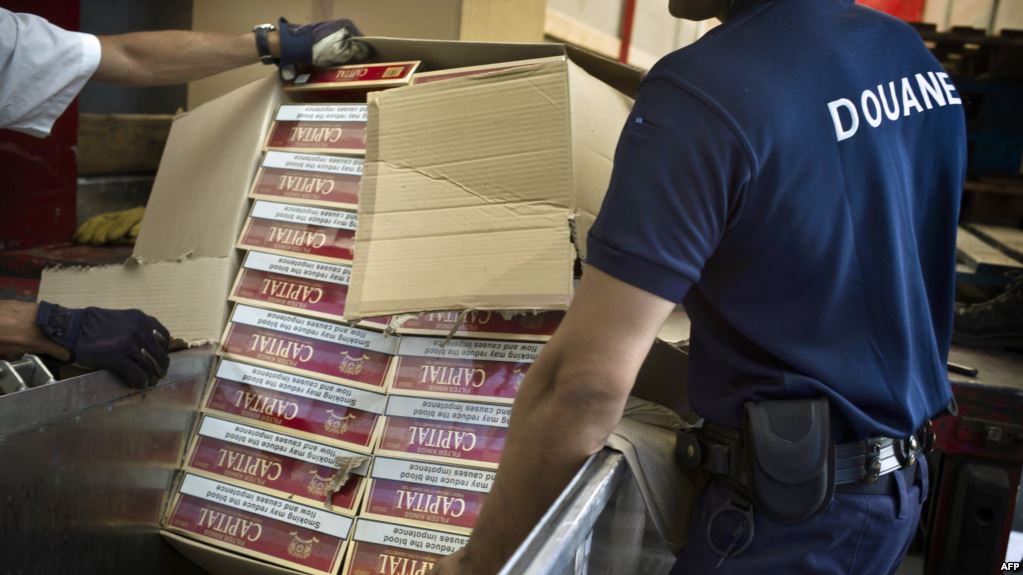
GENEVA — Parties to a new global treaty to combat the illicit sale of tobacco products have taken the first steps toward cracking down on this multi-billion dollar trade. At a three-day meeting at the headquarters of the World Health Organization in Geneva they have outlined a plan to shut down the lucrative black market trade in tobacco.
A global tobacco treaty (Protocol to Eliminate Illicit Trade in Tobacco Products) entered into force on September 25, with 48 countries joining the new protocol, which is part of the WHO Framework Convention for Tobacco Control (FCTC). Two-thirds of the parties have enacted or strengthened national legislation aimed at tackling illicit trade in tobacco products.
Parties attending the meeting have set up a working group to create a monitoring system to track and trace the movement of tobacco products. They hope this global information sharing system will be up and running by 2023.
Head of the FCTC Secretariat, Vera da Costa e Silva, says illicit trade accounts for one in 10 cigarettes consumed. She says these cigarettes are low-priced and more affordable for young people and vulnerable populations. She says this results in increased consumption of the toxic product by these groups.
She told VOA the black market in tobacco thrives in both rich and poor countries, but it is a much bigger problem in developing countries.
“In the streets of developing countries, you can see all over the world sales of illicit trade of tobacco products. They are openly in their markets…. When it comes to the distribution, this is linked to street sales, to bootlegging as well through borders and even to sales to and by minors. That is a real problem of illicit trade in tobacco products,” she said.
Da Costa e Silva said this flourishing illegal trade undermines tobacco control policies and public health. She said it also fuels organized crime and increases tobacco profits through tax evasion, resulting in substantial losses in governments’ revenues.
She said studies show governments lose $31 billion in taxes annually from the illegal trafficking in tobacco products.
The World Health Organization reports seven million people die prematurely every year from tobacco-related causes. Voice of America

