

WASHINGTON — April 7 marks the 70th anniversary of the World Health Organization. It also marks World Health Day. In the past seven decades much has been accomplished, but much still needs to be done.
The World Health Organization has spearheaded efforts to free the world of killer diseases like smallpox. It has formed partnerships to end other diseases, including polio. Only 17 children contracted polio last year. The cases were all in remote areas of Pakistan.
WATCH: On World Health Day, What’s Been Accomplished in 70 Years
In March, South Sudan joined the list of countries that have stopped Guinea worm disease. Former U.S. President Jimmy Carter began the campaign to eradicate guinea worm in 1986 when the parasite afflicted 3.5 million people in Asia and Africa. Since then, the WHO has certified 199 countries, territories, and areas as free of Guinea worm disease.
Access to other lifesaving vaccines, like the measles vaccine, is out of reach for many people. That’s why the World Health Organization declared the theme for this World Health Day “health for all.”
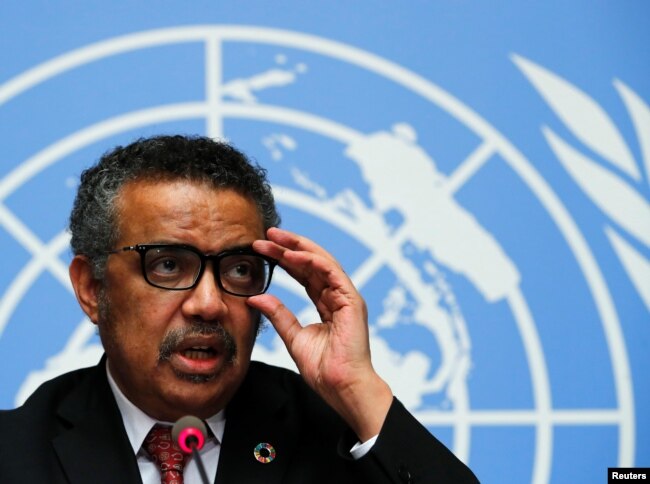
“Good health is the most precious thing anyone can have,” said Dr. Tedros Adhanom Ghebreyesus, WHO director-general, in a news release from WHO headquarters in Geneva. “When people are healthy, they can learn, work, and support themselves and their families. When they are sick, nothing else matters. Families and communities fall behind. That’s why WHO is so committed to ensuring good health for all.”
James Fitzgerald oversees the development of universal health coverage in the Americas at the Pan American Health Organization, a regional division of the World Health Organization.
“Much of the world is talking about universal health coverage at the moment. It is one of the global challenges that we have,” he said. Universal health care, he added, includes both access to medical care and coverage so families don’t have to impoverish themselves to care for a member who is sick.
But there are barriers that prevent people from accessing care, leaving 2 out of 3 people in the Americas as well as half the people in the world without access to health care.
Fitzgerald explains that the barriers are pretty much universal: lack of health care institutions; not enough doctors, nurses, technicians and others involved in the health industry; and a lack of funds for health at the national, local and individual levels. He also cites social discrimination within the health systems.
It’s a tall order to get countries to invest in national health services. The WHO argues that when people have access to health care, they live more productive lives, epidemics can be held at bay more easily, and the countries are more likely to prosper.
The story was written by Carol Pearson. | voanews

