
By Dean Aubrey Caratiquet
Ever wonder why days seem to last longer recently?
Your senses are not deceiving you, as June sets the precedent for the beginning of summer in the Northern Hemisphere and winter in the Southern Hemisphere.
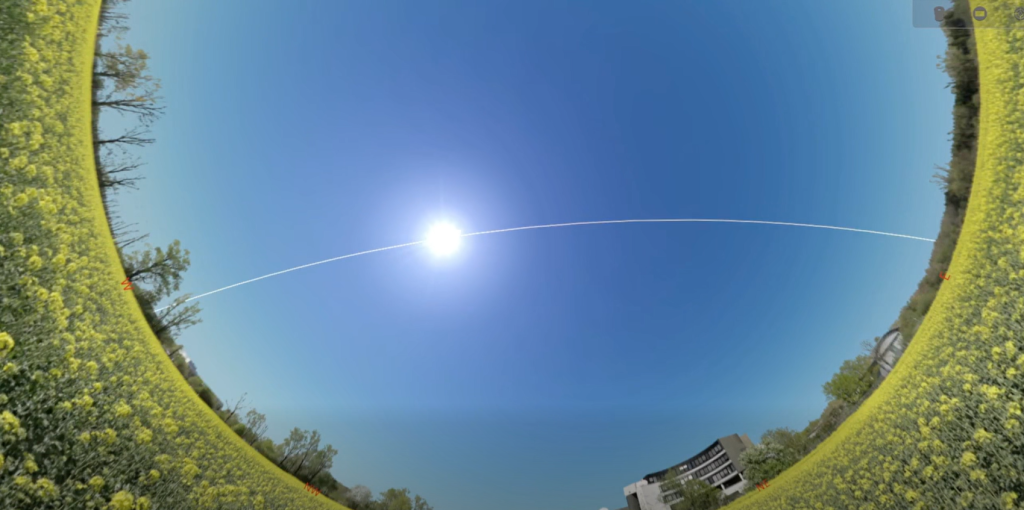
In PAGASA’s Astronomical Diary for June 2026 uploaded on Sunday, the June Solstice is featured as one of the several astronomical events set to take place halfway through the year.
This would take place on June 21 at 4:24 p.m., wherein the sun attains its northernmost position in the sky to bring on the longest day and shortest night of the year to locations north of the equator, and vice versa for those living on the opposite hemisphere.
The state weather bureau also featured the occurrence of the Bootid meteor shower, which would take place between June 22 and July 2, with peak activity on June 27.
PAGASA expounded, “Classified as a variable meteor shower, it is best seen during the evening hours, and it is expected to produce strong activity on rare occasions—produced by the comet 7P/Pons-Winnecke.”
The agency moreover explained that this astronomical event is best viewed during night time at around 8:00 p.m., with the meteor showers being visible to the naked eye and negating the need for specialized equipment such as telescopes or binoculars.
Those who wish to aim their eyeballs at the night sky to catch a glimpse of this wonderful sight are also advised to choose a dark observation site away from city lights under clear and moonless skies.
Other noteworthy events in the lineup for the month of June include the conjunction of planets Venus and Jupiter on June 9, and the appulse, or the Moon-Mars conjunction that would take place in the early hours of June 13, before the sun rises from the horizon.
av

