
By Dean Aubrey Caratiquet
Striking the balance between preserving heritage and aligning such with modern sensibilities remains at the core of the administration, as several infrastructures were given new lives after undergoing conservation and extensive renovation.
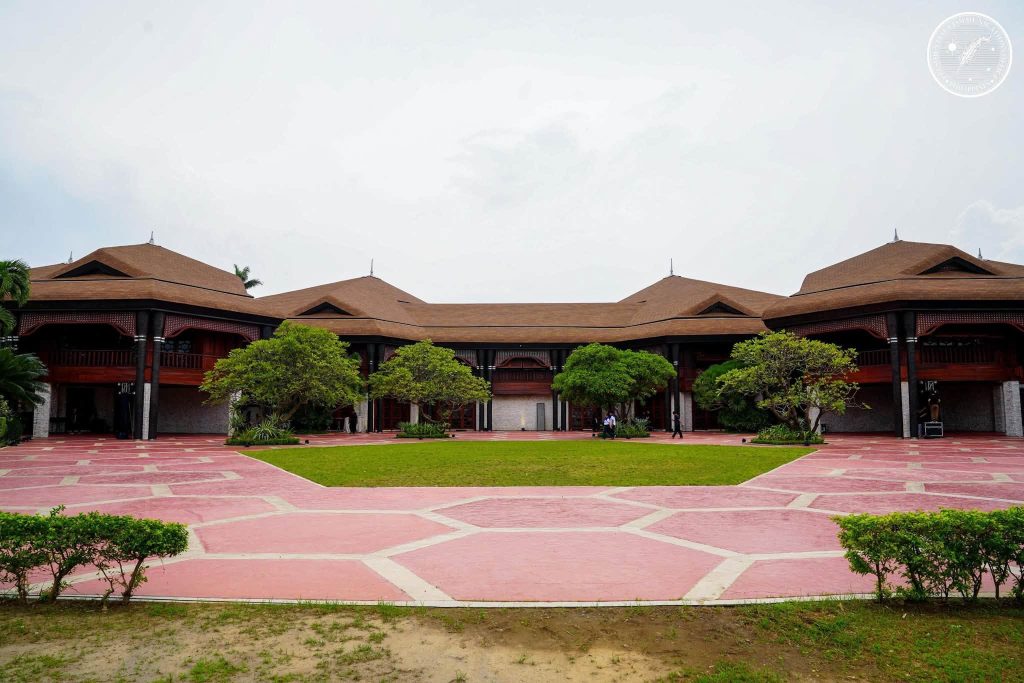
The latest architectural marvel to have received this treatment is the Coconut Palace in Pasay City, in which President Ferdinand R. Marcos Jr. and First Lady Louise Araneta-Marcos led the ceremonial reopening on Tuesday.
In his brief remarks at the reinvigorated site, President Marcos Jr. honored this development as welcome progress in the quest towards ensuring that historical places like these can transcend future generations.
The restored landmark will once again serve as a venue for official, diplomatic, and cultural engagements, including the 49th ASEAN Leaders’ Summit this November.
Moreover, after hosting delegates in November, the Government Service Insurance System (GSIS) said that it is eyeing the possibility of allowing public access to the Coconut Palace, with the possibility of imposing entrance fees.
In the past, the property remained open to the public without an entrance fee but charged fees for private events and specific bookings.
GSIS Acting Executive Vice President Atty. Joseph Phillip Andres said in a statement, “The vision of GSIS for the Coconut Palace is after the ASEAN to be able to open it to the public so that the public will be able to enjoy the grandeur, the artistry of the excellence of Filipino artistry, ingenuity para ma-enjoy ng public.”
Originally built in 1978 and designed by National Artist Francisco “Bobby” Mañosa, the Tahanang Pilipino showcases Filipino architecture, craftsmanship, and locally available materials.
The Coconut Palace owes its distinct Filipino heritage to its namesake material, which reflects the country’s distinct ingenuity and resourcefulness that is likewise reflected in the values upheld by its people.
av

