
By Dean Aubrey Caratiquet
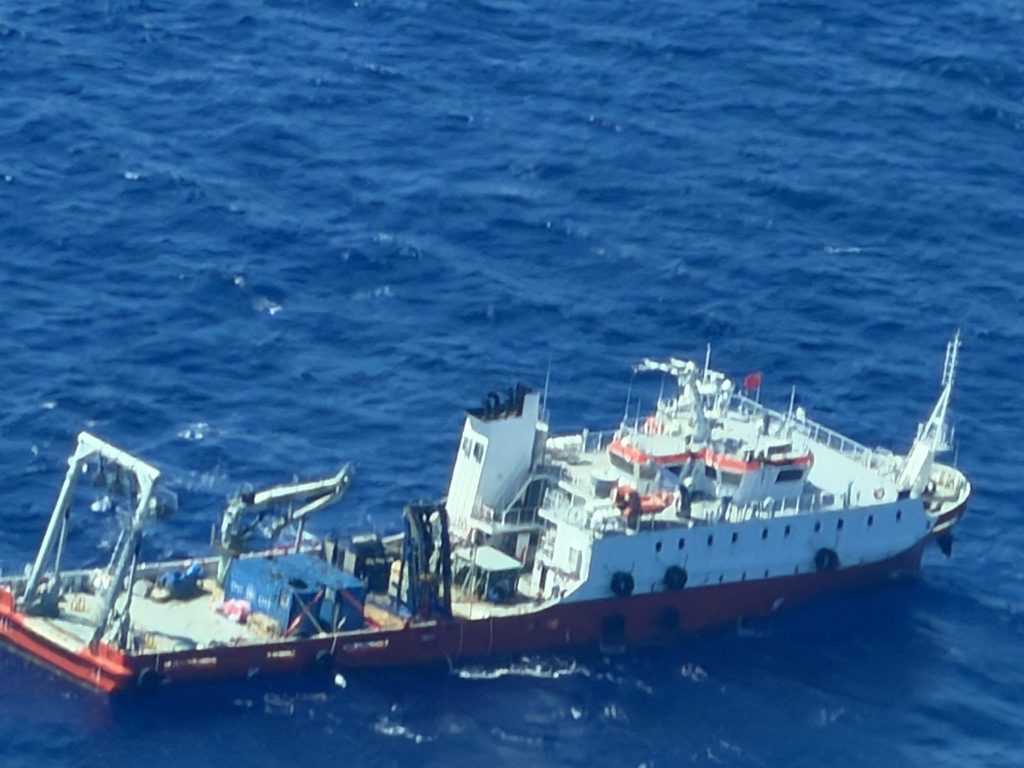
The increased prevalence of unauthorized activities conducted by Chinese vessels in Philippine waters reached new heights on Monday, as the Philippine Coast Guard (PCG) reported the presence of Chinese research vessel Jia Hai Ke 7 thirty-eight nautical miles northwest of Itbayat, Batanes.
In the maritime domain awareness flight conducted by PCG, they were able to confirm that the research vessel spoofed its Automatic Identification System (AIS) in an attempt to disguise its location since departing from Fujian Province on September 21 (claiming it was in Papua New Guinea), but its entry into Batanes’ coastal waters was revealed by PCG’s monitoring stations in the island province.
The pilots of the PCG maritime patrol aircraft issued repeated radio challenges to the Chinese research vessel, stating that its operation inside the Philippines’ exclusive economic zone is illegal—but were met with radio silence from Jia Hai Ke 7.
PCG Spokesperson for the West Philippine Sea Rear Admiral Jay Tarriela condemned the location spoofing practices of the Chinese vessel, “In short, niloloko nila ang iba’t ibang gobyerno ng mundo na dadaanan nitong Chinese research vessel. The intent was to fool the authorities para hindi ma-challenge ang Chinese research vessel na ito.”
RAdm. Tarriela, moreover, described the loitering pattern of the 2,000-ton, 70-meter vessel as consistent with conducting marine scientific research over a certain area, which it has done in previous operations alongside seabed-drilling ships.
Batanes Vice Governor Jonathan Enrique Nanud and Basco Mayor German Caccam also lamented the presence of Jia Hai Ke 7, which continues to put the lives of more than 18,000 Ivatan residents in danger.
In a statement, the PCG vowed to send a ship to monitor the activities of the research vessel and enhance patrols in the country’s northern maritime corridor.
The presence of a seabed survey vessel with falsified location coordinates in the waters off Batanes and the Luzon Strait poses a serious concern over the security of the country’s undersea communications infrastructure, with collected data that may be passed on to the Chinese military, detrimental not only to the Philippines but also the wider Indo-Pacific region.
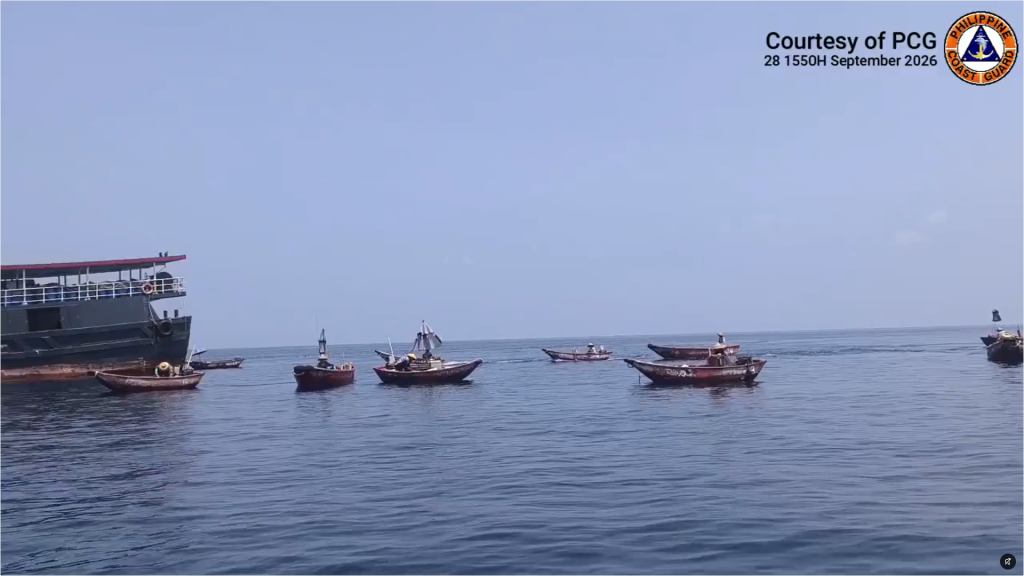
Meanwhile, in a separate encounter that day, the PCG drove away Chinese Maritime Militia Vessel 9622 and 24 small boats (sampans) it deployed within the waters of Kota Island that forms part of the Kalayaan Island Group.
The small boats were found to be engaged in fishing activities, prompting radio challenges from the PCG that were ignored by the vessels—with hand signals being used to eventually instruct crews to leave the area. (with report from Patrick de Jesus | PTV News)
jpv

