
By Dean Aubrey Caratiquet
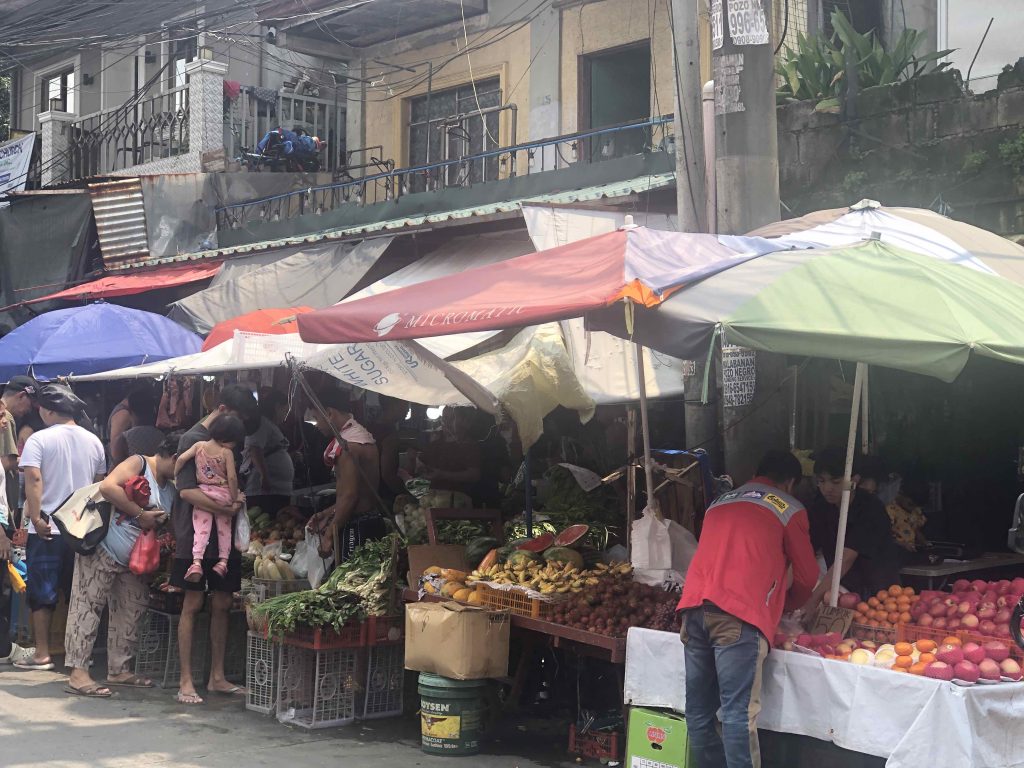
Ever felt a tighter squeeze on your budget recently?
It’s not just your imagination, but a byproduct of rising living costs that is reflected in the 7.2% headline inflation recorded by the Philippine Statistics Authority (PSA) in September 2026.
This figure represents a notable jump from 6.1% in August 2026, which brings the average inflation rate from January-September to 5.4%—a stark contrast to the 1.7% in September 2025.
In a press conference on Tuesday, PSA National Statistician Usec. Claire Dennis Mapa cited significant increases in certain commodity groups that led to the surge in overall inflation:
- Alcoholic beverages and tobacco (6.5%, up from 6.3%)
- Clothing and footwear (3.3%, up from 3.1%)
- Furnishings, household equipment and routine household maintenance (4.7%, up from 4.1%)
- Health (5.6%, up from 5.0%)
- Recreation, sport and culture (5.3%, up from 5.1%)
- Education services (1.7%, up from 1.5%)
- Restaurants and accommodation services (7.0%, up from 6.8%)
- Personal care and miscellaneous goods and services (4.1%, up from 3.9%).
Usec. Mapa also cited food and non-alcoholic beverages; housing, water, electricity, gas and other fuels; and transport as the top three contributing factors to the soaring inflation recorded in the previous month.
Food inflation became of particular concern in the reporting of the overall inflation rate, as it reached 6.8% in September 2026, from 4.6% in August 2026.
Moreover, the scope of inflationary pressures resonates beyond Metro Manila, which itself recorded 5.4% inflation in September 2026 from 4.1% in August 2026—as areas outside NCR exhibited 7.6% inflation in September 2026, up from 6.6% in August 2026.
Interventions
At this juncture, the Department of Economy, Planning and Development (DEPDev) attributed these worrying figures to the impacts of adverse weather conditions and ongoing volatility in domestic oil prices.
DEPDev Secretary Arsenio Balisacan said in a statement, “These are significant supply-side pressures, but they are being met with targeted interventions to mitigate the impact on households.”
To help temper price pressures, the government suspended excise taxes on LPG and kerosene, expanded the Secondary Price Cap to the Visayas and Mindanao grids to help lower electricity costs, and is pursuing a toll waiver on major highways for haulers of agricultural produce to reduce logistical expenses.
To strengthen food security, the government is expanding palay storage capacity in Tarlac and is rolling out the country’s first commercially approved African Swine Fever (ASF) vaccine to help stabilize pork supply, especially for the coming holiday season.
Moreover, in preparation for the expected effects of the super El Niño phenomenon, the DEPDev is working hand-in-hand with other concerned agencies to shield Filipinos from the repercussions of intense heat and unpredictable weather patterns.
jpv

