
By Dean Aubrey Caratiquet
Amid heightened geopolitical developments from across the globe, the Philippine military forces continue to beef up their defense posture through improved equipment and enhanced capabilities in various aspects of warfare.
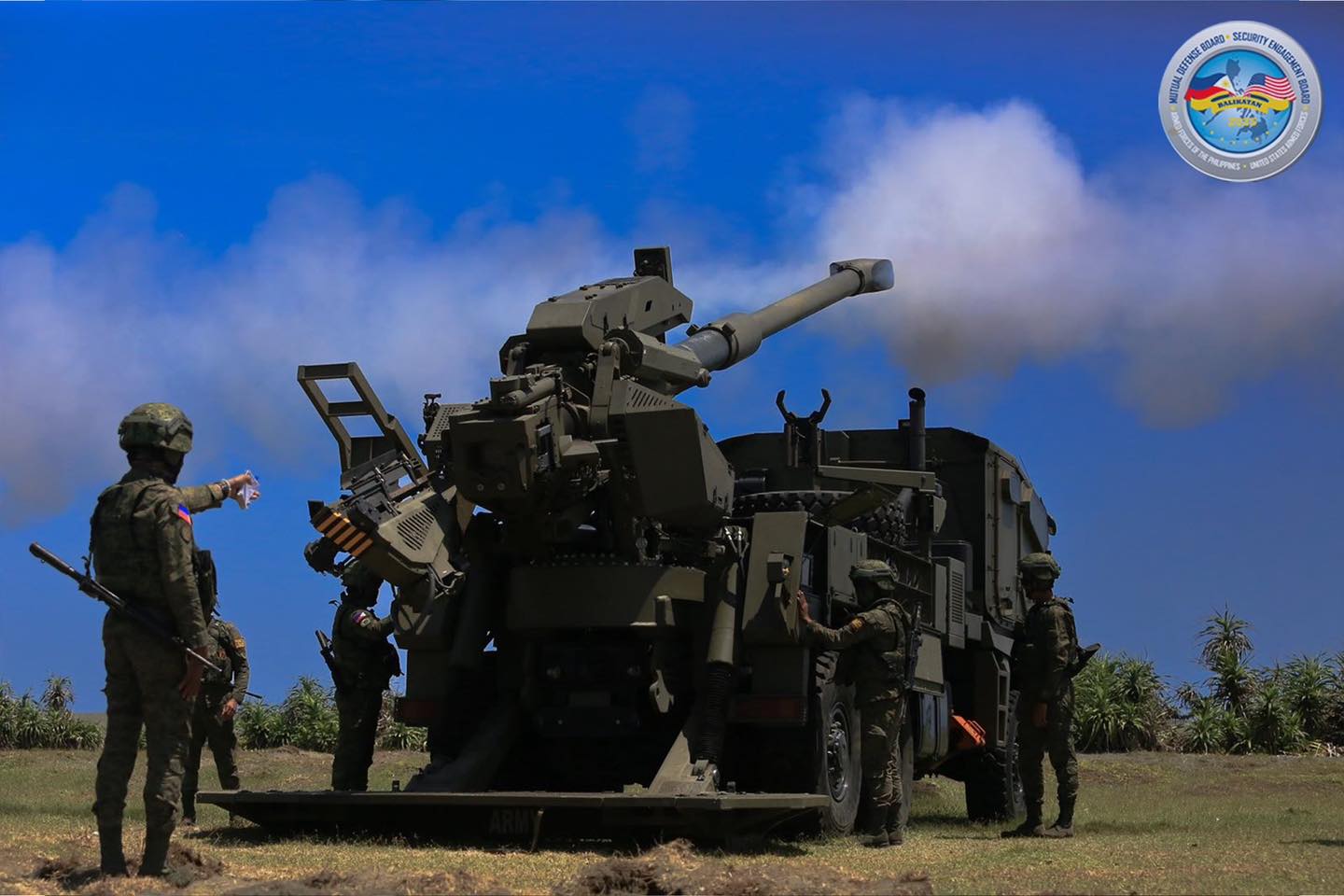
Such was the focal point of the annual Balikatan exercises between the Philippines and the United States, with other allied nations occasionally joining in on these drills that ensure preparedness in case tensions reach a breaking point.
In a statement on Tuesday, the Armed Forces of the Philippines (AFP) expressed condemnation over China’s tirades about the 41st installment of the Balikatan exercises in 2026 that opened on Monday, in which 17,000 soldiers would undergo 3 months of rigorous training and live-fire simulations at undisclosed locations in the country.
AFP Spokesperson for the West Philippine Sea Rear Admiral Roy Vincent Trinidad called out the remarks of China Foreign Ministry Spokesperson Guo Jiakun, “These are expected of them. What do we expect of them—they would applaud us? It’s all part of the deceptive messaging. In fact, I would like to say that this will not be the end of the Balikatan series or other exercises, whether bilateral or multilateral.”
RAdm. Trinidad fired back at the Chinese official, “The constant war rhetoric of the Chinese Communist Party, their rapid military build-up, and their illegal presence, coercive, aggressive actions, and deceptive messaging have been the reasons for instability in the region.”
The AFP official moreover stressed that these simulation exercises are not focused towards any particular entity or nation, and are not intended to encroach on any foreign power.
Japan, Canada, Australia, New Zealand, France, and the United Kingdom are likewise expected to participate in this year’s edition of the Balikatan exercises. Eighteen other countries will serve as observers in the military drills.
Meanwhile, the Department of National Defense (DND) welcomed Japan’s review of the “Three Principles of Transfer on Defense Equipment and Technology”, which would provide the Philippines with access to more potent weapons in support of security cooperation.
Defense Secretary Gilberto Teodoro Jr. said in a statement, “The Department of National Defense welcomes the results of the review of the “Three Principles of Transfer on Defense Equipment and Technology and its Implementation Guidelines” which will allow the Philippines to access defense articles of the highest quality and supportability which will not only enable us to strengthen domestic resilience but also to contribute to regional stability through deterrence in a meaningful way.” (with report from Patrick de Jesus | PTV News)
jpv

