
By Alec Go
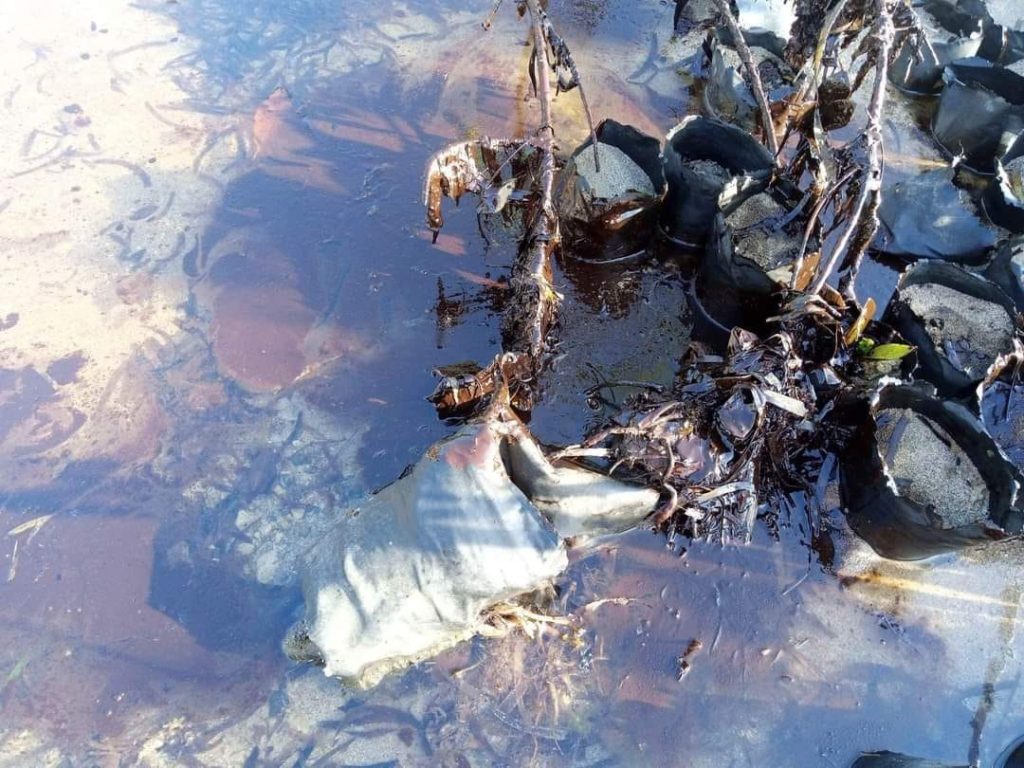
The Bureau of Fisheries and Aquatic Resources (BFAR) retained the ban on fishing and seaweed harvesting in Oriental Mindoro areas affected by the oil spill caused by the sunken MT Princess Empress.
BFAR said this is despite the findings of low-level contaminants or polycyclic aromatic hydrocarbons (PAHs) from analyzed fish samples collected in Oriental Mindoro on March 10, as well as seaweeds collected in Caluya, Antique on March 9.
“Despite low-level amounts found in the samples, the bureau recommends keeping fishing bans in oil spill-hit municipalities in Oriental Mindoro since the initial analyses are not yet conclusive evidence as far as food safety is concerned,” BFAR’s April 12 bulletin read.
Seaweed harvesting ban in Caluya is also in effect “until further evaluation shows it is safe for public consumption.”
“These samples were collected during the early days of March, making the current situation unknown due to the possibility that the spill had spread further due to ocean current and wind direction, and more PAHs may have accumulated in marine organisms,” it stated.
PAHs are known to be harmful to humans and living organisms.
The bureau noted that these may accumulate in marine organisms overtime, with sessile organisms “having greater chances of accumulating PAHs due to their immobility.”
Analyses and monitoring of the affected areas are ongoing for time series results on the oil spill’s impact to food safety.
“Rest assured that the bureau is fast-tracking the laboratory analyses without compromising the accuracy of data, which serves as the basis for its recommendations,” BFAR said. – cf

