By Dean Aubrey Caratiquet
Consistent with President Ferdinand R. Marcos Jr.’s mandate to improve the quality of education in the country, the Commission on Higher Education (CHED) hailed the rise of Philippine higher education institutions (HEIs) on the global stage.
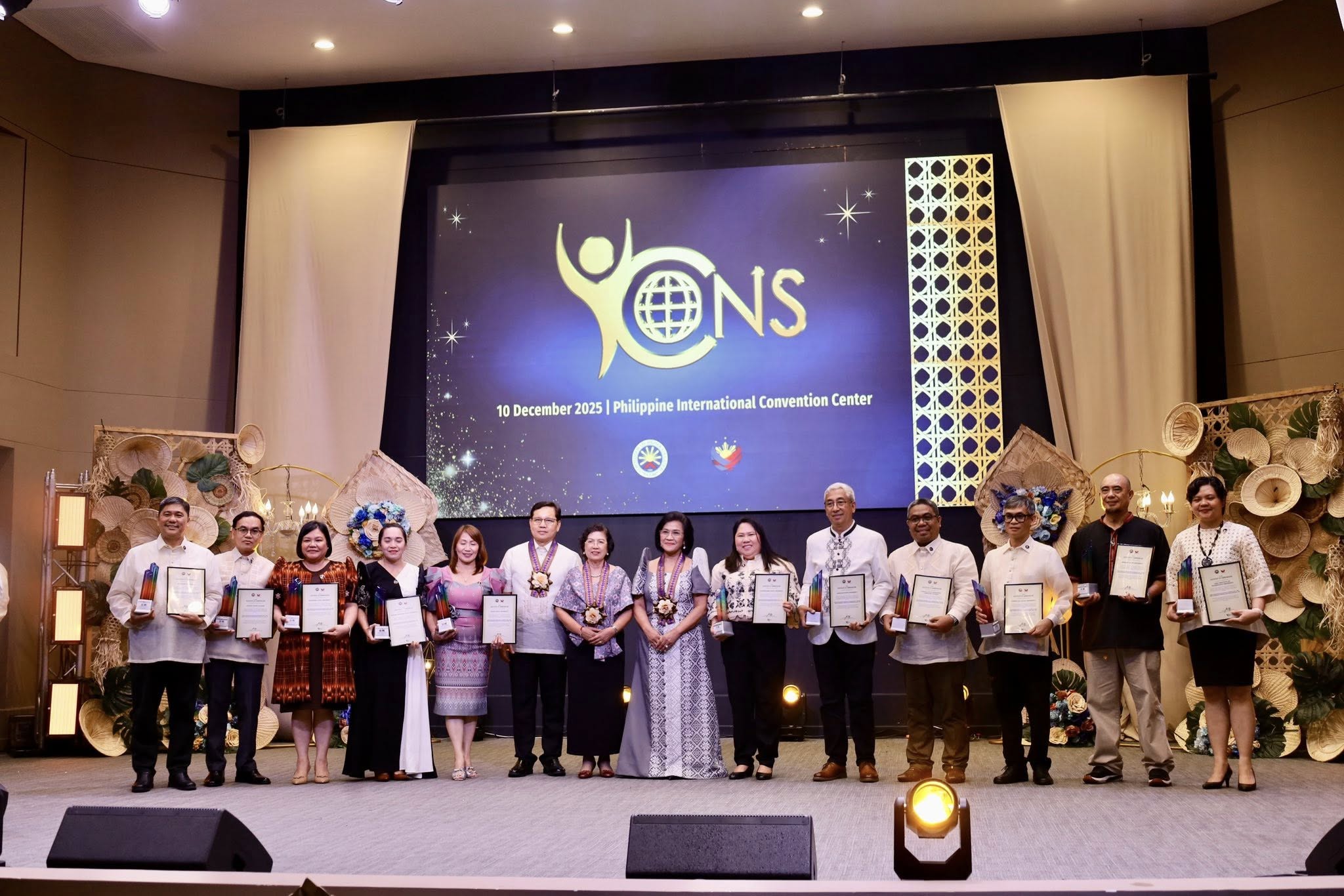
At the ICON Awards 2025 ceremony held on December 10, CHED Chairperson, Dr. Shirley Agrupis noted an 82% increase in local tertiary education providers receiving accolades from major international ranking systems, which amounts to 173 HEIs going toe-to-toe with their foreign counterparts compared to 95 in 2024.
Chairperson Agrupis honored this as a significant milestone in the Philippines’ commitment to adopt UN Sustainable Development Goals (SDGs), leveraging education as a tool to bring about meaningful change to the archipelagic nation.
Agrupis said in a statement, “This continuity shows the strategic value of ICONS—not simply as a recognition ceremony, but as a mechanism for measuring progress, sustaining international momentum, and normalizing a culture of global engagement across our higher education system.”
She likewise recognized the country’s upcoming role as ASEAN Chair for Higher Education in 2026, with the Philippines expected to lead high-level talks on artificial intelligence (AI) and its omnipresent role in the academe.
The HEIs recognized at the ceremony were cited for their strong performance in various global ranking systems, such as Times Higher Education (THE) World, Asia, and Impact Rankings, the Quacquarelli Symonds (QS) Rankings, and the World University Rankings for Innovation (WURI).
Among the universities and colleges that received awards at the event were Saint Louis University, St. Dominic College of Asia, Cagayan State University, Tarlac State University, Central Philippine University, Caraga State University, Mapua University, and Central Luzon State University.
The CHED Chairperson concluded her remarks by urging universities to sustain the momentum of advancing national priorities and indoctrination of values and skills to Filipino learners.
“I challenge our HEIs to fully harness instruction, research, and extension—using the strength of their academic programs, the rigor of their research, and the reach of their community engagements—to deepen global engagement and translate internationalization into meaningful impact for their learners and communities.”
jpv